Исследования воздействия магнитных полей на диэлектрики, включая горючее, ведутся достаточно давно.
Этой темой занимались специалисты в Европе, США и Советском Союзе. Однако на отечественном рынке различные «активаторы топлива» и «топливные экономайзеры» начали появляться лишь сравнительно недавно.

Производители подобных устройств, представленных в виде магнитов, крепящихся на топливную магистраль, обещают снижение расхода горючего (до 20%), сокращение выбросов вредных веществ (до 30%) и прирост мощности силового агрегата (до 20%).
Суть обещаний в том, что магнитное поле разрушает скопления молекул в топливе, переводя их из спокойного состояния в возбужденное. Возникает магнитный резонанс, который притягивает дополнительный кислород, топливо ионизируется, что в итоге ведет к более полному сгоранию топливовоздушной смеси.

Может ли быть, что теоретические научные труды наконец-то воплотились в практические решения?
Ситуация выглядит запутанной: в маркетинговых материалах производителей таких магнитов встречается куда больше научных (а иногда и псевдонаучных) терминов, чем в нашем описании.
Попробуем детально во всем разобраться.
Состав «чудо-магнитов»
Для обработки топлива применяются магниты на основе сплава неодим-железо-бор. Это представители нового поколения редкоземельных постоянных магнитов, отличающиеся максимальными показателями остаточной магнитной индукции, коэрцитивной силы и энергетического произведения.
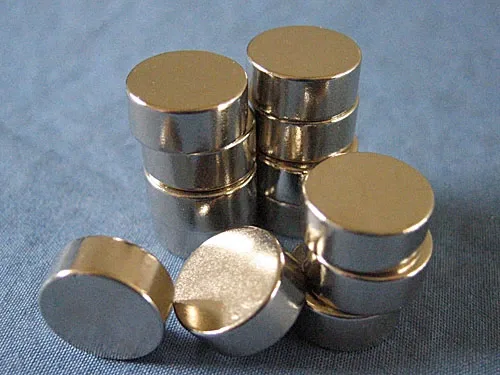
Производство таких изделий ведется методом порошковой металлургии в вакууме или под защитой инертных газов. Область применения неодимовых магнитов широка: от лазеров, радаров и акустических систем и далее.
Поскольку эти магниты боятся коррозии, их покрывают слоями меди, никеля, цинка или золота.
Основным поставщиком неодима на мировой рынок считается Китай.
Как магнитное поле воздействует на вещество
Еще в 50-х годах прошлого века ученые установили, что магнитное поле способно влиять на молекулярную структуру материи, а применение магнитного резонанса дает еще более выраженный эффект.
Общеизвестный факт: под воздействием магнита некоторые материалы сами приобретают магнитные свойства, а их молекулы выстраиваются в едином направлении.
Все вещества принято классифицировать следующим образом:
Ферромагнетики и ферримагнетики — это материалы с явно выраженными «магнитными» свойствами;
Парамагнетики — слабомагнитные вещества с магнитной проницаемостью чуть более 1. Во внешнем поле они намагничиваются по направлению этого поля. Частицы (атомы, молекулы или ионы) парамагнетика имеют собственные магнитные моменты, которые ориентируются по внешнему полю, создавая итоговое поле, превосходящее исходное.
Диамагнетики — охватывают большинство веществ, в том числе углерод, воду и пластик. Их реакция на обычные магниты настолько слабая, что ее сложно заметить (магнитная проницаемость ниже 1).
А что насчет бензина?
Бензин — это диамагнетик. Он представляет собой смесь легких углеводородов с температурой кипения от 30 до 200 °C, плотностью около 0,75 г/см³ и теплотворной способностью порядка 10500 ккал/кг (46 МДж/кг, 34,5 МДж/литр).
Предполагаемый принцип действия
Бензин является диэлектриком, а диэлектрики, попадая в электрическое поле, подвергаются поляризации.
Следовательно, прикладывая магнитное поле к топливу, теоретически можно управлять ориентацией его молекул.

Более того, при быстром изменении напряженности поля меняется диэлектрическая проницаемость вещества, которая зависит от частоты, и в определенных условиях возникает магнитный резонанс.
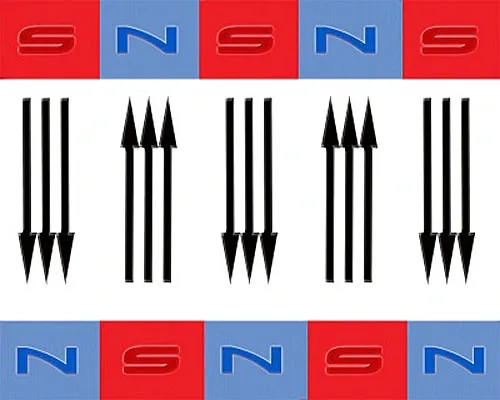
Имитацию переменного магнитного поля в активаторах создают, размещая несколько магнитов последовательно.
Резонанс, в свою очередь, ведет к неравномерному заселению атомных уровней в молекулах, что вызывает либо аномальное поглощение, либо радиоизлучение.
Иными словами, магнитное поле способно не просто «активизировать» вещество, но и породить радиоизлучение.
Почему на практике это не сработает
Стоит напомнить, что и бензин, и дизельное топливо относятся к диамагнетикам.
Восприимчивость диамагнетиков по абсолютной величине у бензина очень мала и почти не зависит от силы магнитного поля.
Максимум, которого можно достичь в такой среде, — это некоторая переориентация молекул, но этого явно не хватит для коренного изменения процесса горения.
Мощное магнитное поле действительно может оказывать серьезное влияние на материю — например, в сильном поле способны левитировать даже органические объекты.
Однако для создания такого поля нужно не пару магнитов (даже неодимовых), а довольно громоздкая установка, работающая от электричества.
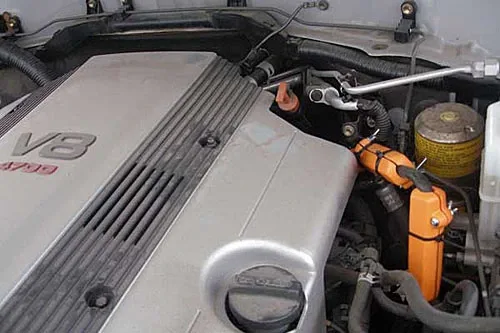
Процессы ионизации и другие явления «активации» вещества при ядерном резонансе действительно возможны. Этот феномен уже широко используется в науке и медицине — достаточно вспомнить аппарат МРТ.
Но нужно учитывать и другой факт: состав бензина включает ароматические, нафтеновые, нормальные парафиновые и непредельные углеводороды в различных пропорциях. Поэтому зависимость резонансной частоты (для водорода это 21,29 МГц при магнитной индукции 0,5 Тесла) от конкретного сорта топлива будет очень сложной и уникальной.
Следовательно, вызвать резонанс в топливе можно, но для каждого его вида и состава потребуется своя частота поля (и опять же мощная электрическая установка).
Плюс к этому, поскольку эффект переменного поля достигается последовательно установленными магнитами, частота воздействия будет зависеть от скорости потока топлива в магистрали.
Это означает, что в автомобиле топливо должно двигаться по трубопроводу с постоянной скоростью, а после каждой заправки систему необходимо перенастраивать под новые примеси в баке.
Очевидно, что в реальных условиях это невыполнимо.
Выводы
Физические принципы, лежащие в основе технологии «чудо-магнитов», безусловно, корректны. Не случайно на эти ноу-хау получены патенты, а некоторые ученые, по утверждению производителей, были удостоены Нобелевской премии.
Отрицать сам факт влияния магнитного поля на топливо также бессмысленно — такое влияние существует. Но здесь уместно вспомнить историю из середины 80-х, когда радиолюбители в Советском Союзе стремились собрать аудиосистемы с минимальными искажениями. Отличным считался результат в 0,01% искажений, а особо одаренные умельцы добивались рекордных 0,005%.
Однако все дело в том, что человеческое ухо не способно уловить искажения ниже 0,1%. Конечно, такая «улучшенная» аппаратура была объективно лучше, но все ее преимущества могла зафиксировать только измерительная техника, а не сам владелец.
В случае с топливом результат воздействия магнитов на топливопроводе вряд ли сможет зафиксировать даже точная измерительная аппаратура.
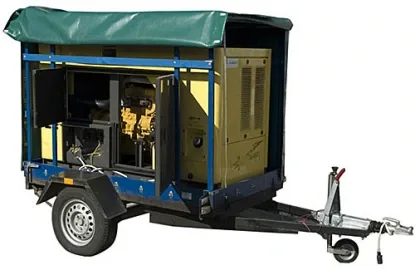
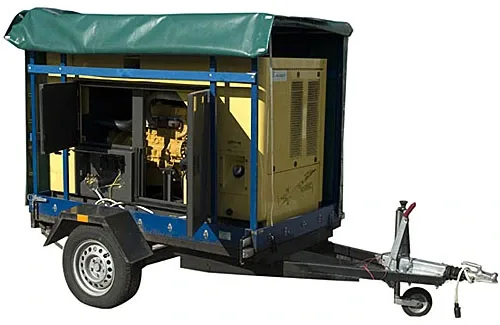
Чтобы описанные выше принципы заработали на легковом автомобиле, пришлось бы использовать электромагниты, возить за собой прицеп с генератором и установить в салоне измерительные приборы для настройки.
Существует информация, что в Америке подобные установки ставят на грузовики — там есть место для такого оборудования. Но реализовать эти физические принципы в легковом автомобиле довольно проблематично.
Практически полное сгорание топлива вполне реально обеспечить избытком воздуха в смеси. А чтобы топливо равномерно распределялось в смеси, его подают под давлением через форсунки. Поэтому: поддерживайте двигатель в исправном состоянии — это и есть настоящая экономия топлива.