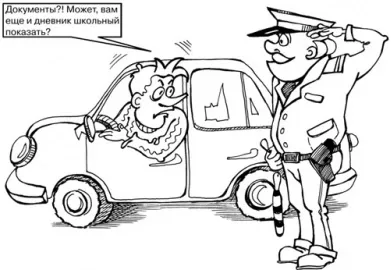
«Водить машину нужно так, будто права остались на тумбочке у двери» — известная шутка, но в ней лишь доля юмора. На самом деле, удостоверение водителя вполне реально оставить дома и вспомнить об этом ровно в тот момент, когда его попросят показать. Сегодня разберём именно такую ситуацию.
По традиции нашей рубрики «Что будет если…», давайте представим такую картину:
Рано утром вы выезжаете по делам. Скажем, на работу, и уже опаздываете.
Вас останавливают для проверки на состояние опьянения. По обычной процедуре инспектор просит документы. Вы открываете бардачок или достаёте сумку — а там ничего нет...
И вот тут начинается самое любопытное. Речь идёт о части 1 статьи 126 Кодекса Украины об административных правонарушениях:
«Управление транспортным средством лицом, не имеющим при себе или не предъявившим для проверки водительского удостоверения соответствующей категории, регистрационного документа на автомобиль, а в установленных законодательством случаях — лицензионной карточки на транспортное средство, а также полиса (договора) обязательного страхования гражданско-правовой ответственности владельцев наземных транспортных средств (страхового сертификата «Зелёная карта»), влечёт наложение штрафа от двадцати пяти до пятидесяти не облагаемых налогом минимумов доходов граждан.
Управление транспортным средством лицом, не имеющим права управления таким транспортным средством, или передача управления транспортным средством лицу, не имеющему права управления таким транспортным средством, влекут наложение штрафа от тридцати до тридцати пяти не облагаемых налогом минимумов доходов граждан.
Управление транспортным средством лицом, лишённым права управления транспортными средствами, влечёт наложение штрафа от тридцати до пятидесяти не облагаемых налогом минимумов доходов граждан.»
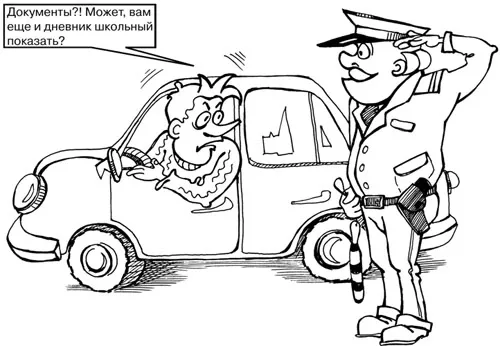
Другими словами, придётся заплатить штраф в размере от 425 до 850 гривен и больше.
Сумма, конечно, не самая приятная (на практике чаще всего она составляет около 550–600 грн.).
Итак, других нарушений нет, но документов при себе нет. По закону это грозит задержанием до выяснения личности, штрафом и отправкой машины на штрафплощадку.
Впрочем, на практике до такого доходит нечасто, и очень многое зависит от того, насколько адекватны инспекторы ГАИ. Чаще всего события развиваются по одному из следующих сценариев.
Ждём вас с документами
Если инцидент произошёл неподалёку от дома, есть неплохой шанс договориться с инспекторами о том, что вы сходите за правами, оставив автомобиль на месте.
Перед этим сотрудники ГАИ попросят назвать по памяти номер машины, свяжутся с информационным центром и сверят данные владельца (тут не помешает иметь при себе паспорт). После этого вполне могут разрешить принести права. И такие случаи встречаются не так уж редко.
Когда вы вернётесь с документами, они, конечно, внимательно проверят каждый символ во всех бумагах, но это уже детали.
Пишем протокол
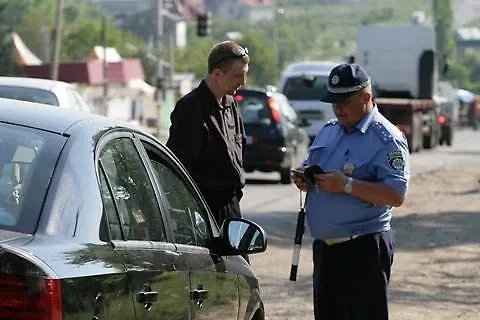
Если же остановка произошла в другом районе города, отделаться легко вряд ли получится: отпустить вас одного домой за правами вряд ли кто-то согласится.
Но если есть возможность и желание, инспекторы могут подождать, пока кто-то из близких или друзей привезёт удостоверение (паспорт и здесь будет плюсом).
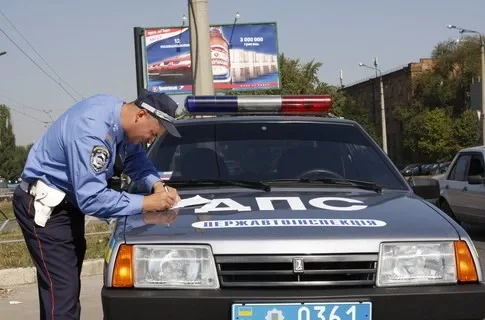
Был случай, когда водитель долго тянул время, обыскивая полмашины в поисках прав, а параллельно позвонил жене, и она привезла документы. Если всё сделать быстро и чётко, до окончательного оформления протокола может и не дойти. Такие варианты тоже случаются.
Едем на штрафплощадку
Один из самых трудных случаев — остановка далеко от дома за явное нарушение. Например, превышение скорости на трассе: вас ловит «на фару» инспектор, вы останавливаетесь.
Нарушение очевидно, есть видеозапись. И тут выясняется, что прав с собой нет. Что ж, попались — придётся оформлять протокол.
Но и это не всё. В таких ситуациях инспекторы чаще всего действуют по букве закона: «следуйте за нами на штрафплощадку». И они имеют на это полное право.
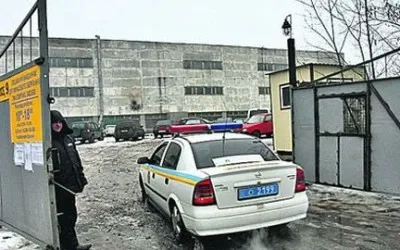
Этот сценарий описан в статье 265-2 «О временном задержании транспортных средств» Кодекса Украины об административных правонарушениях:
«В случае наличия оснований считать, что водителем совершено нарушение, предусмотренное частями первой, второй, третьей, четвёртой, шестой и седьмой статьи 121, статьями 121-1, 126, частями первой, второй, третьей и четвёртой статьи 130, статьями 132-1, 206-1 настоящего Кодекса, работник Государственной автомобильной инспекции временно задерживает транспортное средство путём блокирования или доставляет его для хранения на специальную площадку или стоянку (если размещение задержанного транспортного средства существенно препятствует дорожному движению), в том числе с помощью специального автомобиля — эвакуатора. О временном задержании делается соответствующая запись в протоколе об административном правонарушении.
После временного задержания транспортного средства работник Государственной автомобильной инспекции обязан предоставить лицу возможность сообщить о временном задержании транспортного средства и своём местонахождении другому лицу по своему выбору и принять меры по возвращению автомобиля к месту постоянной дислокации, а также запрещает эксплуатацию транспортного средства до устранения неисправностей, выявленных в процессе его осмотра.
Транспортное средство может быть временно задержано сроком до решения дела об административном правонарушении, но не более трёх дней с момента такого задержания.
По окончании трёхдневного срока временного задержания транспортного средства лицо имеет право обратиться за получением временно задержанного транспортного средства. Такое обращение лица является обязательным для его выполнения независимо от стадии решения дела об административном правонарушении.
За подачу такого обращения и возвращение лицу временно задержанного транспортного средства не может взиматься плата.
Порядок временного задержания и хранения транспортных средств на специальных площадках и стоянках определяется Кабинетом Министров Украины.»
А если и паспорта при вас нет, решить вопрос будет ещё сложнее. В таких случаях иногда советуют держать в машине нотариально заверенную копию паспорта и прав и всегда возить её с собой, но это лишь на ваш страх и риск — есть вероятность, что документы могут попасть в руки злоумышленников.
Как обычно, есть несколько выходов. Первый — уладить вопрос на месте за деньги. Тут уж как повезёт, но стоит понимать, что речь пойдёт не о 100 и не о 200 гривнях.
А если предстоит ехать ещё несколько сотен километров? На следующих постах вас будут ждать с «нетерпением».
Но, как я уже упоминал, это будет довольно сложно, ведь мы далеко от дома. Тут помогут только связи и знакомства — это второй вариант решения.
И третий путь — согласиться со всем (естественно, в рамках нарушения) и потерять время и нервы, но действовать по закону.
А в райотдел?
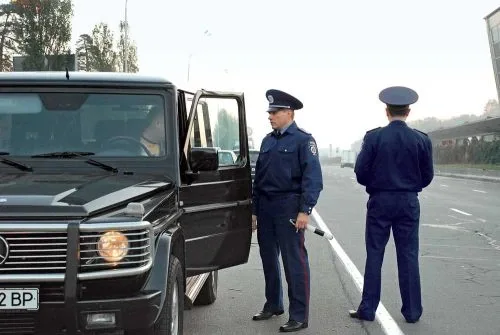
Случались и более странные ситуации. Например, за отсутствие паспорта могут доставить в райотдел для установления личности, а иногда даже посадить на 5 суток. Особенно если это произошло в другом регионе — приятного мало…
Стоит добавить, что если вас остановят во время спецоперации, поиска похожего автомобиля или в рамках плана «перехват» (независимо от того, близко ли это к дому) — отсутствие документов станет серьёзным отягчающим фактором и запустит целую цепочку «разбирательств»: выяснение личности (возможно, даже с применением силы, если заподозрят в преступлении), штрафплощадка, штраф.
Кстати, можно вспомнить и предложение уже бывшего главы МВД Анатолия Могилёва о том, что «за вождение без водительского удостоверения будем выставлять автомобиль на аукцион, а в случае выкупа автомобиля его хозяином 20% стоимости авто направлять в бюджет».
К счастью, эта идея так и не была реализована.
Итог
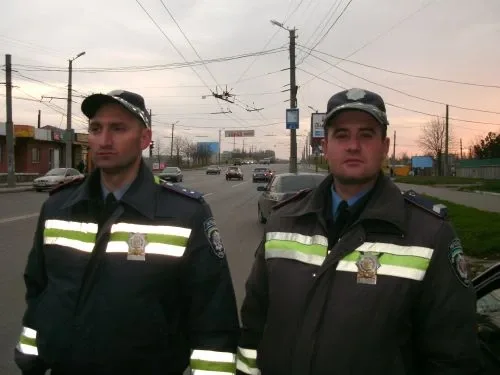
В целом, каждая такая ситуация уникальна, со своими поворотами и результатом. Многое зависит от инспекторов, которые вас остановили, вашей сообразительности, находчивости, связей, в конце концов.
Поэтому лучше лишний раз перед выходом из дома убедиться, что документы при вас, и что это именно ваши документы (всякое бывает).
А мы, как всегда, желаем вам быть внимательными и не нарушать правила дорожного движения.