Переоформление авто в Украине: правила и документы
Провести перерегистрацию транспортного средства вправе как прежний, так и новый собственник. Процедура переоформления автомобиля сводится к последовательности действий в сервисном центре МВД в рамках действующего законодательства. С 22.08.2018 г. Кабинет Министров упразднил необходимость снятия машины с учета в МРЭО при перерегистрации, что существенно упростило процесс.
Стандартный порядок перерегистрации включает такие этапы:
- Оформление договора купли-продажи.
- Передача копии подписанного договора работнику автосалона, где приобретается автомобиль.
- Сверка машины по VIN-коду.
- Изготовление новых государственных номеров и техпаспорта.
- Визит к нотариусу:
- получение справки из МВД об отсутствии автомобиля в базе угнанных;
- внесение госпошлины;
- оплата нотариальных услуг;
- подписание договора купли-продажи.
Для переоформления машины в Украине потребуется следующий перечень документов:
- Паспорта и идентификационные коды обеих сторон сделки.
- Свидетельство о регистрации ТС.
- Документ, подтверждающий право собственности:
- свидетельство о наследстве;
- договор дарения;
- предыдущий договор купли-продажи.
- Собственноручно написанное заявление.
- Оценочный акт стоимости авто и сертификат безопасности.
- Квитанция об оплате.
О необходимости предоставления прочих бумаг сообщит оператор. Начиная с 2020 г., нотариальное заверение сделки перестало быть обязательным. Регистрация договора теперь проводится прямо в государственном сервисном центре МВД — это быстро и удобно. Вся процедура укладывается в один день (при благоприятном раскладе — 3-6 часов).
Такой вариант оптимален при прямой перерегистрации. Если же сделка непрямая, разумнее прибегнуть к услугам нотариуса. Юрист, готовя пакет документов, проверит сведения о продаваемом автомобиле, что убережет нового владельца от возможных неприятностей.
Сервисный центр
Для оперативного и корректного обслуживания в СЦ МВД следует заранее записаться в электронную очередь через терминал при входе. Для этого в соответствующее поле вводится номер ТС, после чего выдается чек с номером в очереди.
Когда подойдет черед, на табло появится номер окна оператора, который будет принимать документы. Пропустить свою очередь не получится — номер дублируется на экране визуально.
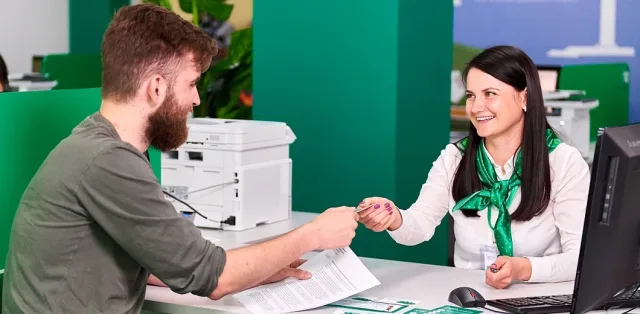
Оператор затребует оригиналы и копии бумаг от продавца и покупателя и начнет процедуру оформления. В 2020 г. оценка автомобиля возможна непосредственно в СЦ: оператор заходит на сайт объявлений о продаже авто и смотрит среднюю рыночную цену аналогичной машины.
Специалист делает скриншот, распечатывает его и подшивает в пакет документов. Названная сумма не влияет на госпошлину, если продавец в этом году впервые проводит куплю-продажу. При повторных продажах взимается налог 6,5% с каждой сделки.
Собранный комплект оператор передает экспертам, куда направляется и сам заявитель. На смотровой площадке автомобиль осматривают и составляют экспертное заключение. После осмотра эксперт отправляет владельца обратно к оператору и разрешает демонтировать номера для дальнейшего оформления сделки.
При себе нужно иметь дополнительные копии паспортов и ИНН обоих участников — они прилагаются к договору купли-продажи. Подписание договора и расчет происходят на месте. Также необходимо оплатить услуги МВД в банковском отделении, расположенном в любом СЦ.
Квитанция об оплате остается у оператора. Для себя можно снять копию или попросить дубликат у кассира. После этого выдаются новые номера и свидетельство о регистрации. Договор купли-продажи, оформленный в центре, служит правоустанавливающим документом.
Важно! Исчерпывающий перечень документов для переоформления авто в Украине размещен на сайте любого регионального СЦ.
Как переоформить машину на себя без хозяина?
Иногда возникают обстоятельства, когда требуется срочная перерегистрация авто, а собственник отсутствует (находится за рубежом, скончался, работает вахтовым методом и т. п.). Процедура переоформления машины на себя в Украине без присутствия владельца имеет свои нюансы.
Если владелец умер
Согласно п. 2.1 ПДД Украины, если на руках есть регистрационные документы и техпаспорт старого образца, пользоваться автомобилем без хозяина дозволено не дольше одного года. Переоформление необходимо провести своевременно, чтобы избежать крупных штрафов.
Если машина используется по доверенности, нужно связаться с родственниками умершего и договориться о продлении. Для этого наследники должны вступить в права наследования и оформить у нотариуса соответствующее свидетельство. Либо подтвердить свои права в судебном порядке, после чего решать вопрос с автомобилем. Родственники могут продать ТС по договору либо выписать генеральную доверенность — все зависит от обстоятельств.
При продаже авто в Украине после смерти владельца перерегистрация в любом случае проходит через СЦ МВД по стандартной схеме с подачей перечисленного выше пакета документов. Новому собственнику необходимо:
- обратиться в любой центр, оформить заявку и подать бумаги;
- пройти проверку номерных знаков;
- внести госпошлину в банке;
- получить свидетельство о регистрации и техпаспорт.
Наследники вправе потребовать от заинтересованного лица (покупателя или доверенного) компенсировать судебные издержки и оплату нотариальных услуг.
Переоформление по доверенности
Чтобы переоформить машину с мужа на жену или с родителей на сына по доверенности, согласно правилам, действующим и в 2020 г., также необходимо обращение в СЦ МВД. Основанием служит Постановление Кабинета Министров Украины №243 от 03.04.2013 г., которым утвержден перечень необходимых документов.
Закон разрешает оформлять доверенность сразу на нескольких родственников. Документ заверяется нотариально и создается в нескольких экземплярах — оригинал остается у каждого члена семьи. Генеральная доверенность подается в Сервисный Центр как один из главных документов, подтверждающих право собственности.
Родственники, имеющие доверенность, вправе самостоятельно снимать авто с учета при непрямой перерегистрации и передавать право собственности другому лицу. Для прямой перерегистрации снятие с учета не требуется — достаточно визита в СЦ.
Генеральная доверенность дает возможность передать машину постороннему человеку, не являющемуся родственником. Если собственник умирает, право владения переходит наследнику. Тогда в течение года придется снова провести перерегистрацию. Владелец может отозвать доверенность в любой момент (ст. 249 Гражданского Кодекса). Поэтому, если водитель не является собственником, разумнее накопить средства и выкупить авто, став его полноправным хозяином.
Важно! При переоформлении присутствие автомобиля обязательно. Номерные знаки разрешено сохранить при смене собственника.
Перерегистрация авто для инвалидов
Автомобиль, выданный государством инвалиду, по истечении 10 лет эксплуатации переходит в пожизненную собственность владельца или его законного представителя. Данное правило закреплено Постановлением КМУ №1149 от 30.12.2015 г.
Содействовать в переоформлении может доверенное лицо или законный представитель человека с инвалидностью. Для этого оформляется нотариальная доверенность на совершение регистрационных действий от имени инвалида. Доверенное лицо обращается в СЦ МВД с полным пакетом документов и самим автомобилем для экспертной оценки.
Передача права собственности на авто инвалиду после 10 лет пользования выполняется органами соцобеспечения. Сотрудник может связаться с местной администрацией для получения разрешения и вручить документы лично по месту жительства либо отправить заказным письмом с уведомлением.