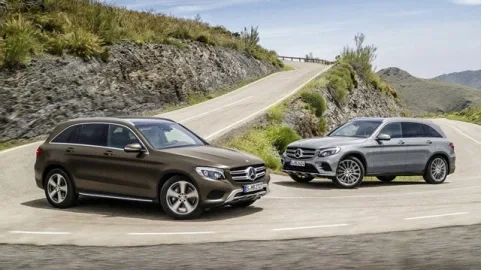
How to choose a crossover?
Which crossover to choose with such a huge variety? To simplify this choice as much as possible, you need to ask yourself a few simple questions.
What budget is allocated for buying a crossover?
This is the first and most important question. The budget determines the choice between a new or used crossover, and also immediately cuts off models that are too cheap or too expensive for you.

Quite often, the budget allows you to buy both an inexpensive compact new crossover and a more spacious and prestigious, but used one. Here you need to decide for yourself what is more important to you:
- on the side of a crossover from a dealer showroom: "modernity" of the model, manufacturer's warranty, smell of a "new car", etc.
- on the side of a used crossover: the opportunity to buy a model of a prestigious brand in a richer trim, much less money loss when reselling, no attachment to expensive official service, etc.
Under what conditions will the crossover be used?
Many believe that any crossover is an off-road model, but this is a mistaken opinion. It is not for nothing that this type of car is often called a "parketnik" (soft-roader) among the people. Many crossovers cannot boast not only of all-wheel drive, which is expected of any SUV, but even of a more or less decent ground clearance, which sometimes does not exceed that of an ordinary sedan.
- If the crossover will be periodically used in off-road conditions, even light ones, then when choosing a model, pay attention to the ground clearance, which should be at least 190 mm, and ideally more than 200 mm. Also, the presence of all-wheel drive is desirable.
- If you do not plan to leave smooth roads and the car will only have to conquer city curbs, then the above points can be ignored.
A logical question may arise: why do you need a crossover at all? Given the condition of our roads and clogged storm drains that instantly turn streets into rivers, believe me, a car with even a slightly increased ground clearance will always come in handy.
What capacity is needed?
This question directly depends on the number of passengers who will regularly ride in your crossover. If there are children in the family, it is advisable to choose from models longer than 4.3 m, so that there is more space in the rear seats for installing child seats.
It is a mistake to think that crossovers are more spacious than comparable hatchbacks and minivans. In fact, the interiors of many compact soft-roaders are quite cramped, so do not forget to evaluate the comfort of the interior of the model you like together with your whole family before buying.
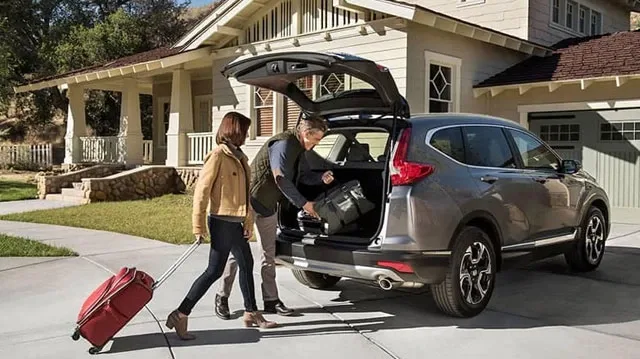
If the crossover will be used for travel, then the volume of the luggage compartment is also very important. Many small crossovers cannot boast of this parameter either, offering quite modest trunks with a volume of less than 400 liters.
TOP-10 most reliable crossovers
An important parameter when choosing a crossover is the quality and reliability of the model. We have selected the ten most "indestructible" crossovers, according to the ratings of two authoritative organizations: the German association TUV and the American company J.D. Power.
The rating of the technical supervision association TUV is based on annual data on ten million cars. Each model is evaluated by German experts according to a hundred parameters.
The rating of J.D. Power is based on the number of complaints from car owners during the first 3 years of operation. The J.D. Power study is also called the "customer satisfaction index".
Audi Q3
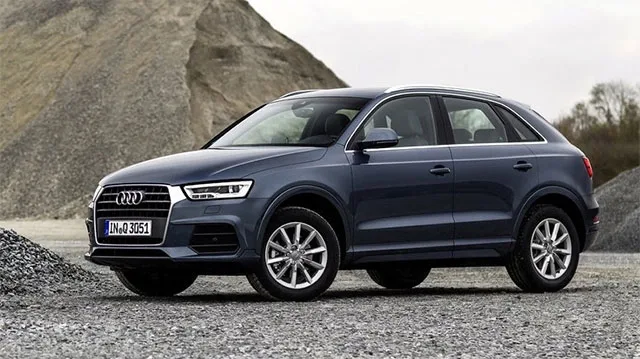
The Audi Q3 crossover managed to reach high positions in ratings on both sides of the Atlantic. The second generation of the model entered the market only at the end of 2018, so our list includes the more time-tested first generation of the soft-roader from 2011-2018. When choosing an Audi Q3, it is better to give preference to all-wheel drive versions equipped with a more reliable seven-speed "robot" DQ500.
BMW X1
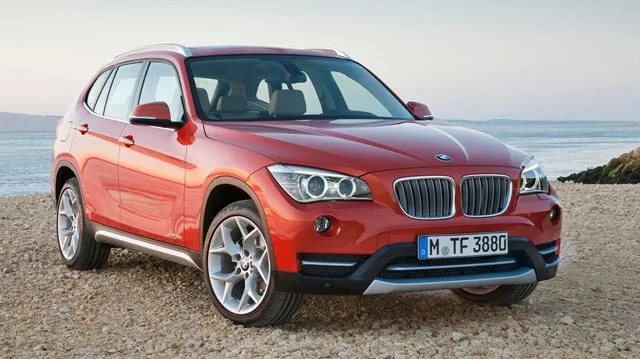
The most compact model in the Bavarian brand's crossover lineup turned out to be the most reliable as well. This year, the BMW X1 managed to enter the top three of both 2020 ratings, but in the German list we are talking about the first generation model (2009-2015), and in the American one – about the radically changed second generation of the soft-roader. Interestingly, the modest X1 left the so popular BMW X5 far behind in terms of reliability.
Honda CR-V
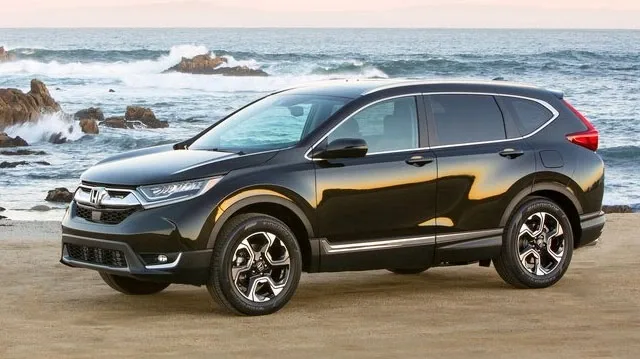
The Honda CR-V crossover held high positions in reliability ratings for a long time, but after the release of the fifth generation in 2016, it began to gradually lose ground. The thing is that along with classic "automatics" and "naturally aspirated" engines, the manufacturer began to actively introduce capricious turbo engines, CVTs, and hybrid powertrains.
Hyundai Santa Fe
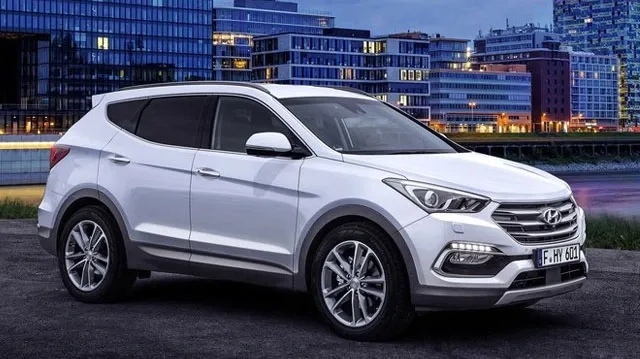
The only "Korean" in our list received a very high "satisfaction index" from J.D. Power, but the Hyundai Santa Fe was not noticed among the leaders of German ratings. This can be explained by the low popularity of the full-size (by European standards) crossover in the Old World.
In addition, the generally quite reliable Santa Fe of the previous generation (2012-2018) had certain problems with the suspension, which is especially critical for European drivers.
Lexus RX
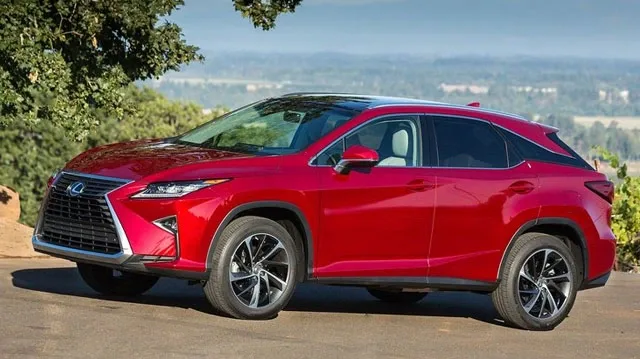
The reliability of crossovers under the Lexus brand has long been beyond doubt. There is a fierce struggle for internal leadership in this matter between the RX and GX models, but since the GX is still not a crossover but an SUV, we included the RX in our rating. Reliable "naturally aspirated" engines and trouble-free classic "automatics" are the main advantages of all four generations of the Lexus RX model.
Mazda CX-3
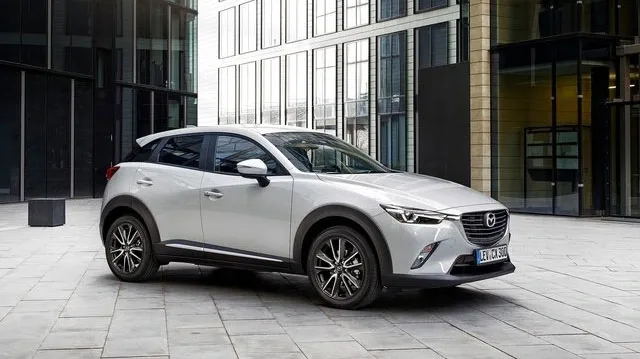
The compact crossover Mazda CX-3, according to German experts, is the most reliable in the off-road lineup of the Japanese brand and is in the top ten in quality in the overall standings of the 2020 rating.
Because of the very modest ground clearance (160 mm), the model is difficult to perceive as a full-fledged crossover, but this minus does not affect reliability in any way. When choosing a used CX-3, it is better to avoid engines from the SkyActiv family, which are too demanding on fuel quality.
Mercedes-Benz GLC
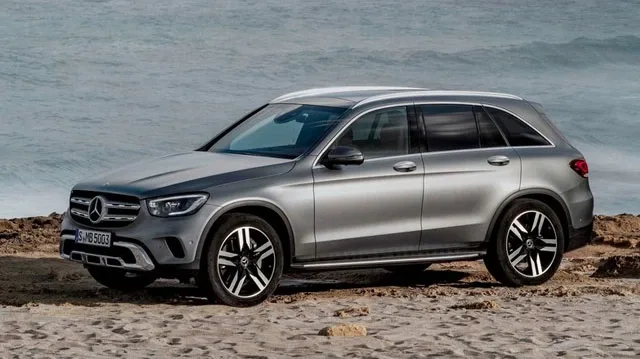
The Mercedes-Benz GLC managed to take first place in the TUV 2020 rating, and in the American "charts" the crossover is not lagging behind either. Until 2015, this model was called GLK and also had high reliability. The GLC is built on the basis of the C-Class sedan and is offered with a wide range of engines, classic "automatics", and in a hybrid version. When choosing a used GLC, it is better to give preference to versions without air suspension.
Opel Mokka
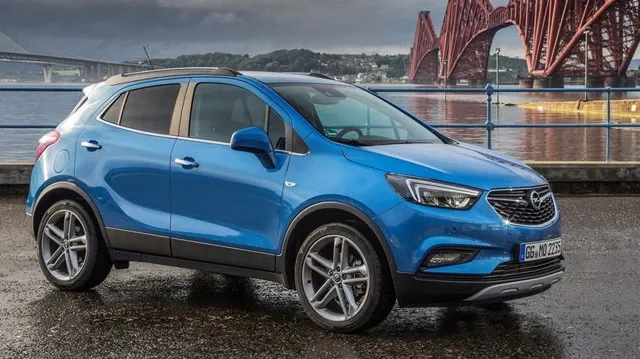
The reliability of the compact crossover Opel Mokka was highly appreciated both in Europe and in the USA, where the model is sold under the name Buick Encore. After the restyling in 2016, the Mokka received the X prefix, but in 2019 the crossover was discontinued. In 2021, the second generation of the model should hit the market. Among used Mokkas, the most trouble-free versions are those with naturally aspirated gasoline engines.
Toyota RAV4
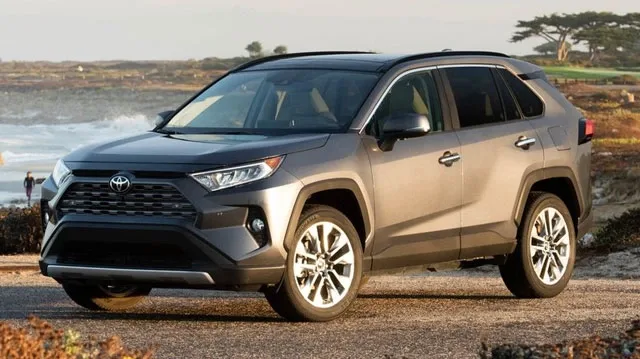
One of the founders of the crossover class has long been reputed to be almost a standard of reliability. At the same time, the Toyota RAV4 remains among the leaders in crossover ratings even despite the appearance of versions with a continuously variable transmission, as well as hybrid modifications. By the way, the hybrid is not particularly economical, so the overpayment for such an option will not pay off.
Volkswagen Tiguan
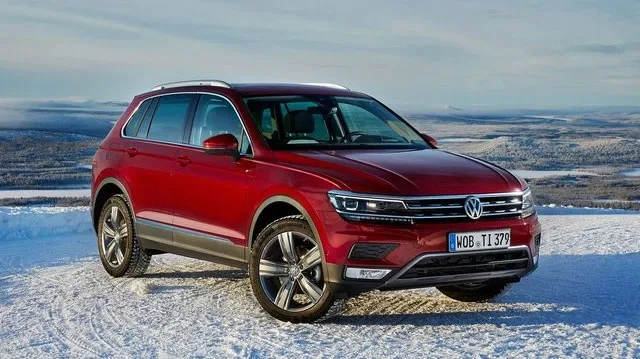
The Volkswagen Tiguan is included in the top crossovers of the J.D. Power rating, but in the "home lists" the model often ends up closer to the middle. The build quality of the Tiguan is at a proper level, as is the durability of the chassis, but the overall reliability of the model is reduced by robotic gearboxes DSG and the 1.4-liter turbo engine TSI. When choosing a used crossover, it is better to refuse modifications with such a tandem of units.
Note that European and American reliability ratings do not take into account the specific features of car operation in our latitudes, so you should not rely one hundred percent solely on them.
Summing up
When choosing a used crossover – first check the technical condition of a specific instance, and only then look at its place in the rating.
When choosing a new crossover, look first of all at models after updates/restylings, and last of all at completely new generations, which in the first year of production often hit the market in a "raw" state and may hide defects not yet taken into account by the manufacturer.