Основные признаки разряженного аккумулятора
Перед тем как искать неисправность, стоит убедиться, что дело действительно в батарее.Признаки:
- Стартер не крутит или делает это очень медленно.
- На панели приборов тусклый свет, лампочки горят вполнакала.
- Центральный замок и сигнализация срабатывают вяло.
- При попытке завести двигатель слышны щелчки, но мотор не запускается.
Почему машина не заводится как будто сел аккумулятор
- Аккумулятор действительно разряжен
Это самая частая причина, по которой авто не заводится как будто сел аккумулятор.
Возможные источники разрядки:- забыли выключить фары, магнитолу, обогрев или аварийку;
- автомобиль долго стоял без движения;
- мороз - на холоде ёмкость батареи снижается;
- аккумулятор старый (служит обычно 3-5 лет).
- попробуйте «прикурить» от другого автомобиля;
- подключите пуско-зарядное устройство;
- если батарея старая - проверьте её тестером и при необходимости замените.
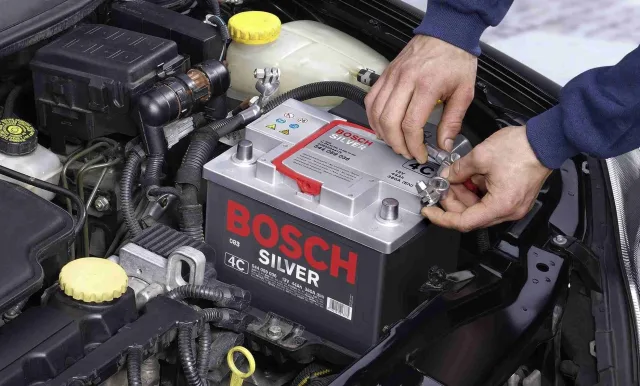
- Окисленные или ослабленные клеммы
Бывает, что аккумулятор полностью заряжен, но ток плохо проходит из-за грязи или окисления на клеммах. Визуально всё может выглядеть нормально, но контакт ослаблен. Что делать:- снимите клеммы и очистите их мелкой наждачкой или специальным спреем;
- смажьте места соединения тонким слоем технического вазелина;
- затяните клеммы плотно.
- Неисправен стартер
Стартер отвечает за запуск двигателя, и если он не срабатывает, может казаться, что «сел аккумулятор».
Признаки - при повороте ключа слышен щелчок, но двигатель не прокручивается. Что делать:- аккуратно постучите по корпусу стартера металлическим предметом (если добраться можно);
- проверьте предохранители и реле стартера;
- обратитесь в сервис для диагностики - возможно, износились щётки или втягивающее реле.
- Не работает генератор
Даже если вы зарядите аккумулятор, но генератор не выдаёт нужное напряжение, через день-два машина снова не заведётся. Признаки:- горит лампа аккумулятора на панели приборов;
- фары тускнеют при включении дополнительного оборудования;
- батарея не держит заряд после поездки.
- проверьте натяжение ремня генератора;
- измерьте напряжение мультиметром - в норме 13,8-14,4 В при заведённом двигателе;
- при необходимости отремонтируйте или замените генератор.
- Проблемы с массой или проводкой
Плохое соединение «массы» двигателя и кузова также может вызывать ощущение, что аккумулятор сел. При этом стартер не получает нужного тока, и машина не заводится. Что делать:- проверьте провода массы, зачистите и закрепите их;
- убедитесь, что клеммы и контакты не болтаются.
- Неисправность замка зажигания или реле
Иногда при повороте ключа не происходит вообще ничего - даже щелчков. В этом случае стоит проверить сам замок зажигания, реле и предохранители.
Почему автомобиль не заводится зимой как будто сел аккумулятор
Мороз - главный враг любой батареи. При минусовых температурах ёмкость аккумулятора падает почти вдвое. Даже новый аккумулятор может «просесть», особенно если авто стоит на улице. Что делать зимой:- перед запуском выключите всё лишнее - фары, обогрев, музыку;
- нажмите сцепление (если механика), чтобы уменьшить нагрузку на стартер;
- если аккумулятор совсем не реагирует - прогрейте его или заведите авто с помощью проводов от другой машины.
Что делать, если машина не заводится как будто сел аккумулятор
- Проверить заряд аккумулятора мультиметром (должно быть не меньше 12,4 В).
- Очистить и подтянуть клеммы.
- Попробовать «прикурить» от другого автомобиля.
- Проверить генератор и стартер.
- Если после зарядки авто быстро снова не заводится - причина, скорее всего, не в батарее, а в электроцепи или генераторе.