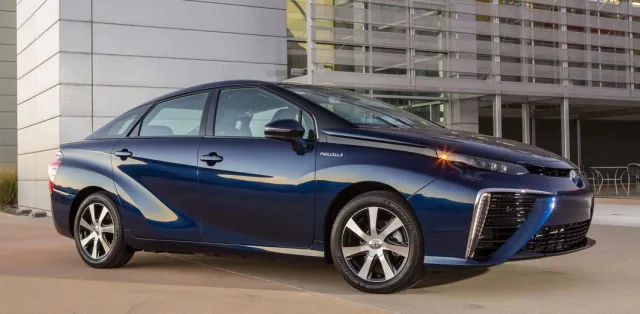
According to Autoportal, as of August 31, 2021, two hydrogen cars were registered in Ukraine, and on September 2, another fuel cell model received Ukrainian plates – it was registered by the organization "Ukrainian Hydrogen Council." All three cars are Toyota Mirai liftbacks.
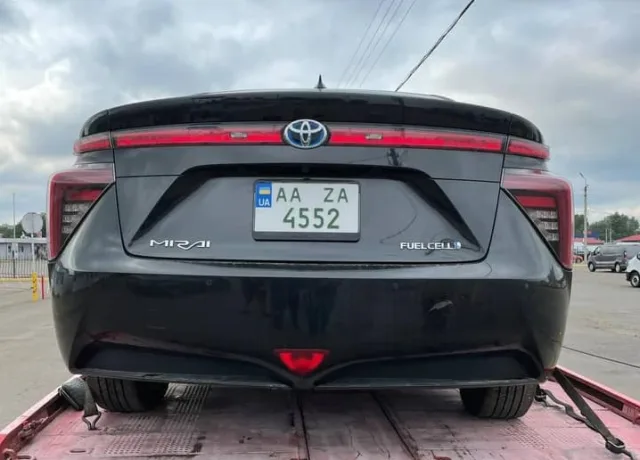
As the president of the Ukrainian Hydrogen Council, Alexander Repkin, wrote on his Facebook page, the certification process for hydrogen cars was complex and lengthy. For instance, it took 1.5 months to get Ukrainian registration for the Mirai. However, according to Repkin, this process will now take only three days.
By the way, it is believed that hydrogen cars really have a chance of success, and they are predicted to be more popular than electric vehicles. Although, of course, there are skeptics. Currently, the difficulty with hydrogen cars is that the refueling infrastructure for them is in its infancy – in Europe, the number of hydrogen stations is in the dozens, and in Ukraine, for example, there is not a single official station (for now, hydrogen is refueled using homemade systems). However, the same Ukrainian Hydrogen Council promises to soon open the first refueling station for fuel cell vehicles and also register another hydrogen car.
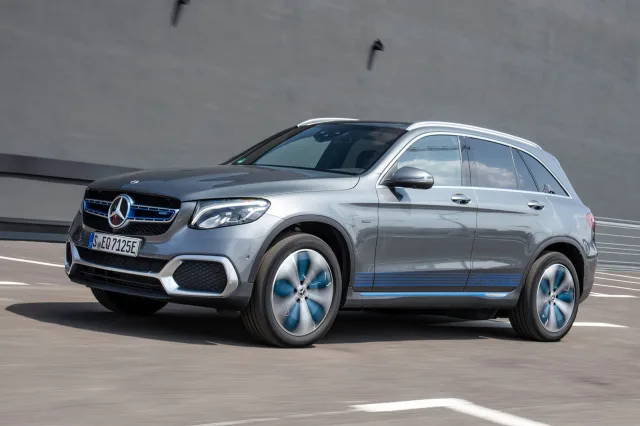
It is worth noting that currently there are only three hydrogen cars available for free sale: namely, Toyota Mirai (and already the second generation), as well as the Mercedes-Benz GLC F-CELL and Hyundai Nexo crossovers (not long ago, the Honda FCX Clarity liftback was on this list, but it was discontinued this summer), and soon the BMW X5 Hydrogen will be added. Structurally, hydrogen cars are the same "electric cars," but the energy for their movement comes not from traction batteries, but is generated during the reaction of H2 with oxygen in fuel cells, after which it is transferred to a small battery, which in turn powers the electric motor.