
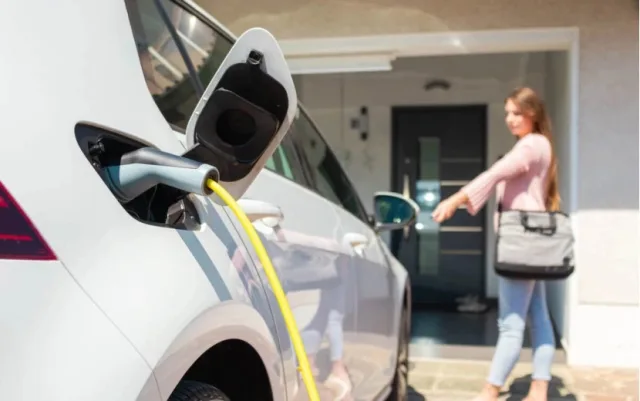
The problem is not a lack of charging infrastructure — Germany has more than 154,000 stations. The issue is that the market is monopolized: almost all charging points belong to energy companies that dictate high prices, especially for drivers who are not their customers. Therefore, even with a large number of stations, many of them serve less than one car per day.
This forces a different look at how to stimulate electric transport, especially in countries where this market is just forming. In Ukraine, on the contrary, electric vehicles are showing rapid growth. As previously reported by Autoportal.ua, in 2025 the Ukrainian electric car market is growing thanks to extended tax benefits, lower excise duty, and favorable policies for importing "green" cars. In May, electric vehicles accounted for almost 20% of primary registrations, and in some regions their share exceeded a quarter of the market.
The conclusion from Germany is obvious: infrastructure is not just the number of chargers, but also how profitable it is to use them. If Ukraine changes its approach to tariffs (and it is only a matter of time), the spread of electric vehicles may slow down even before it becomes a truly mass phenomenon.