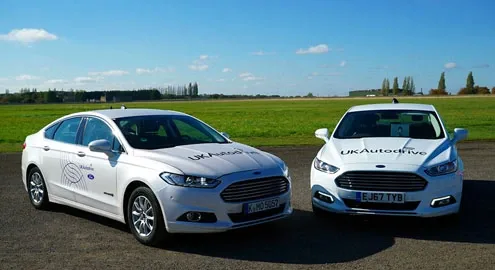
A special technology called Intersection Priority Management (IPM) helps them avoid accidents. The system is designed to help drivers pass through intersections without stopping. The company believes this will increase average traffic speed and improve safety and efficiency of movement.
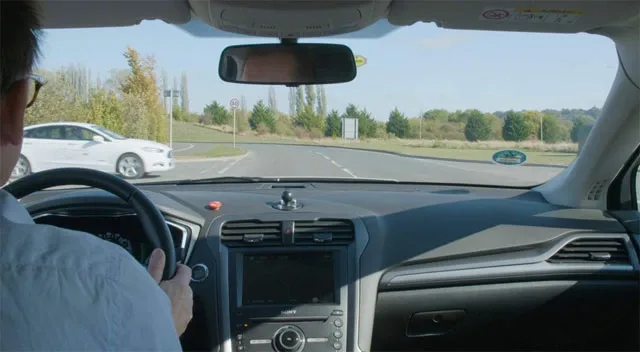
IPM uses vehicle-to-vehicle (V2V) communication to coordinate with other vehicles in close proximity and suggests an optimal speed for passing through the intersection, allowing cars to safely cross paths without stopping.
“We know that intersections and traffic lights often cause irritation and nervousness among many drivers. The connected car technology we demonstrated allows us to envision a world where cars are aware of each other's maneuvers and understand their surroundings. This enables intelligent interaction on roads, including at intersections,” explained Christian Ress, head of driver assistance technology development at Ford's European Research and Advanced Engineering Center.
The experimental vehicles are equipped with V2V communication systems that transmit vehicle location, direction of travel, and speed. Onboard IPM systems can identify approach to an intersection as well as the trajectories of other vehicles approaching it. Based on this data, the technology suggests an optimal speed for each vehicle, allowing them to pass safely.
During the test, people were behind the wheel. However, it is expected that the technology can also be applied to autonomous vehicles.