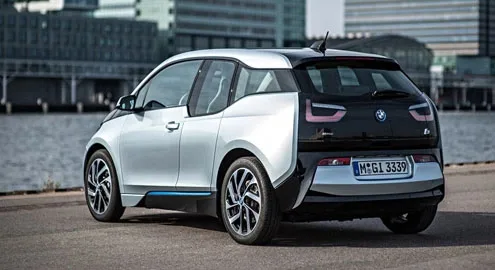
The introduction of this restriction may seem strange, but there is still some logic in it. The concerns of German officials are based on the fact that electric vehicles burn longer in case of fire, and in general they are much harder to extinguish due to the continuous process of short-circuiting in battery cells (their smoldering often ends only when the last battery cell burns out). Moreover, if the flame persists in an enclosed space for a long enough time, there is a risk of collapse of the underground parking garage – due to very high temperatures, concrete walls may crack and iron supports may melt.
According to the German website InFranken.de, similar bans exist in other cities (although they are not publicized) and in the near future other localities will introduce similar initiatives. In turn, the German automobile club ADAC has come to the defense of electric vehicle drivers, stating the following:
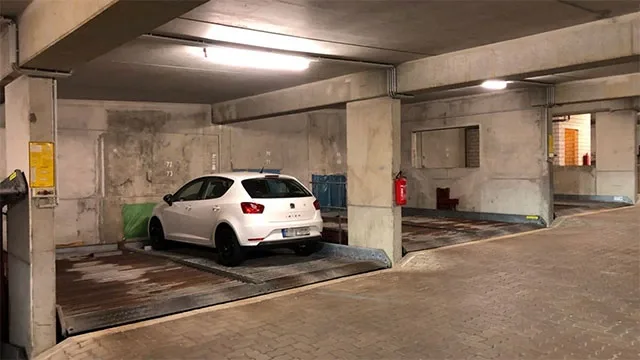
"If other parking operators follow the example of [the authorities of] Kulmbach, this will become a fatal delay for the plans to electrify the entire German car fleet. Yes, cars are prone to fire, but this applies to vehicles with any type of propulsion. There is no evidence that electric vehicles, with or without accident consequences, catch fire more often than cars equipped with internal combustion engines. According to fire departments and insurance companies, there are no significant differences in the likelihood of fire between conventional cars and electric ones. The risk of an electric vehicle catching fire while charging in an underground parking lot is minimal, provided that the charging station is installed and maintained properly.".
Let us remind you that earlier AvtoPortal wrote that in Germany a brand new hybrid Volkswagen Golf GTE burned down (self-ignited) right on the move. At the time of the incident, the car's mileage was only 300 km.