Despite the fact that such a step is financially costly and not very practical, the Japanese government sees it as a symbolic gesture. According to a source, the administration of Prime Minister Sanae Takaichi is considering the purchase of several Ford F-150s in the United States. Due to their significant dimensions, these pickups are not well suited to narrow Japanese city streets, so they are most likely planned to be used as utility vehicles for snow removal.
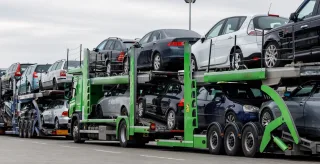
At the same time, Toyota and Nissan are analyzing the prospect of re-exporting some of the models assembled at their American plants to the domestic Japanese market. Such a step is unlikely to significantly affect the trade balance: according to expert forecasts, it is about 20 thousand cars annually, which is an insignificant volume against the backdrop of a trade deficit reaching 68.5 billion dollars.
However, in this situation, the key importance is not the quantitative indicator, but the political message. Analyst Takaki Nakanishi notes that such an initiative is intended to demonstrate the desire of the Japanese auto industry to contribute to reducing the trade gap and to promote mutual trust between the states. "This is not about commerce, but about relations," the expert emphasizes.
These measures are being implemented against the backdrop of a new trade agreement between Washington and Tokyo. The American side has softened its previous tariff demands, settling on a 15% rate for Japanese imports instead of a potential 27.5%. At the same time, the new rate is significantly higher than the previous 2.5%, which increases the burden on Japanese automakers, even despite the positive market dynamics and the rise in their stock quotes after the announcement of the deal.