This indicator shows that Chinese companies have long ceased to be newcomers — they are now full-fledged players who can significantly influence the balance of power in Europe.
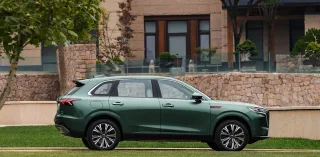
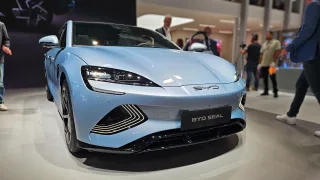
The main growth drivers were BYD, MG (owned by SAIC Motor), and Chery. For the first time, they managed to overtake Korean brands, including Kia, which confirmed a redistribution of influence in the niche of affordable electric cars and hybrids. Experts explain the record by a rapid increase in demand for electrified vehicles and the active promotion of Chinese manufacturers in the European market. As Dataforce analyst Benjamin Kibies notes, this trend demonstrates the consistent strengthening of the Chinese position in the region.
The most noticeable growth was recorded in the UK, which in one month provided almost half of all Chinese car sales in Europe. This was facilitated by a combination of circumstances: the traditional twice-yearly license plate change, lower import duties (10% compared to stricter EU tariffs), and a flexible pricing strategy of Chinese brands. In Britain, BYD sales increased sixfold compared to August figures, and MG showed similar dynamics. Separately, Chery is actively promoting its sub-brands Omoda and Jaecoo, especially in the hybrid crossover segment, which is currently developing the fastest.
Analysts see the success of Chinese companies as a sign of a change in the global balance of power in the auto market. China's main advantage is cheaper production of batteries and electric motors, which allows maintaining competitive prices. European automakers, in turn, find themselves in a difficult situation: they have already felt a loss of market share in China, and now they are forced to fight increased competition at home. And it seems this is only the beginning of a new round of rivalry for the consumer in the era of electrification.