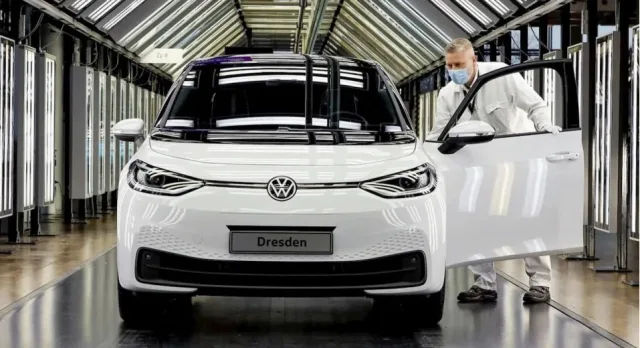
The production of several electric models of the concern is located in Zwickau — Audi Q4 e-tron, Volkswagen ID.3 and ID.5. These cars were considered key elements of the brand's environmental strategy. The Dresden plant, in turn, is focused only on the production of the Volkswagen ID.3. It would be logical to assume that these models would ensure the company's stability during Europe's transition to clean energy, but in practice everything turned out to be not so simple: interest in such cars turned out to be much more modest than predicted.
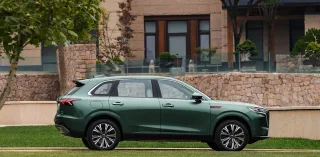
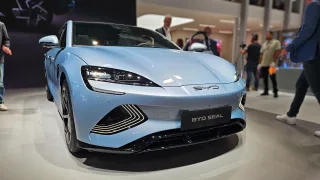
For several months in a row, Volkswagen has had difficulties with sales. Chinese brands are increasingly putting pressure on the market, and Europeans are considering buying electric cars with more caution — they are deterred by the cost and the lack of a developed charging network. In addition, economic instability in the European Union has reduced the purchasing power of the population.
The problem is so large-scale that Volkswagen's management is already thinking about a significant reduction in staff. According to rough estimates, by 2030 the number of jobs in Germany could decrease by 35 thousand. Such a step would be a serious blow to the local labor market and could destabilize supply chains, because the automotive industry is still one of the main drivers of the German economy.
It seems we are witnessing a turning point: German auto giants, which until recently dictated the rules of the game on the world stage, are now forced to defend themselves. Volkswagen must reconsider its own approach, find a reasonable compromise between price, innovation and the real needs of the market. Without this, the ambitious German electric initiative risks losing the competitive struggle to persistent players from China.