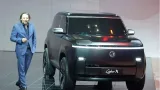
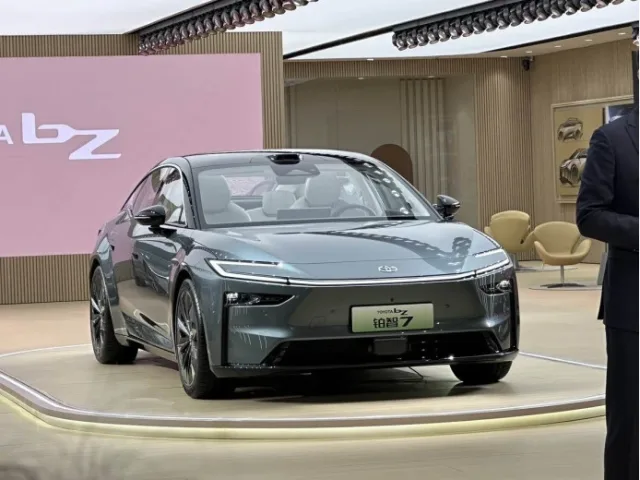
The Toyota bZ7 is essentially the electric incarnation of the Camry model. It occupies the same niche in terms of dimensions, class, and concept that the Camry has held for years, but instead of an internal combustion engine, it uses electric traction and software from Huawei. The car is built on the GAC electric platform, with rear-wheel drive in the base configuration, and there is no data on the availability of all-wheel drive. Onboard electronics are managed through Harmony OS, making this sedan yet another testament to the close cooperation between the Chinese automotive industry and IT companies.
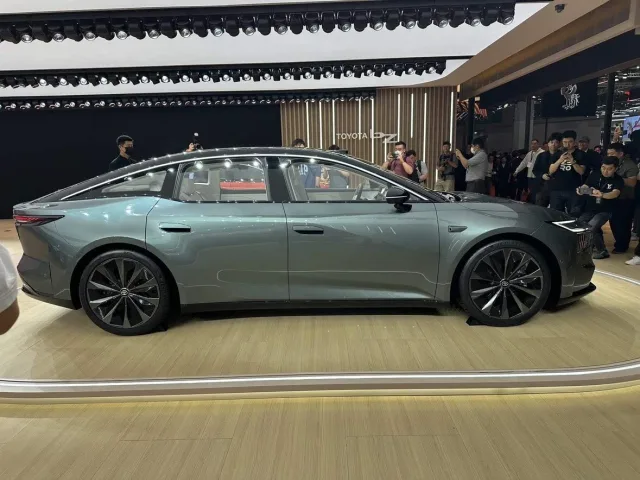
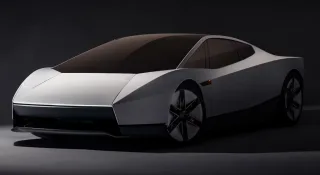
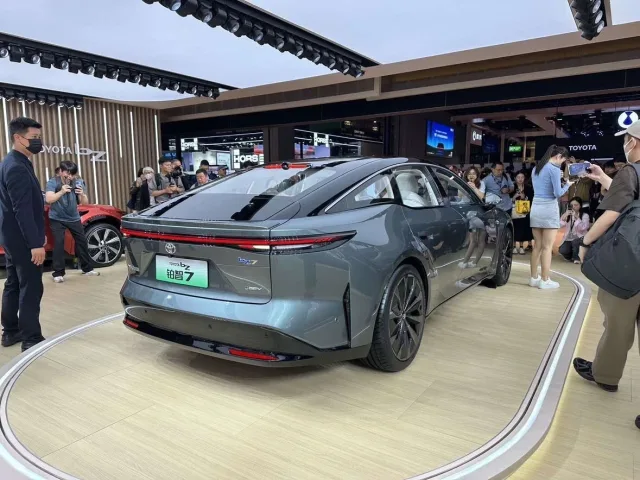
The exterior of the bZ7 bears little resemblance to traditional Toyota — the look is closer to Tesla and concepts, where the main emphasis is on aerodynamics. A sloping roof, a short rear overhang, and a minimum of extra elements — everything aligns with the modern trend for electric cars. But what matters more than the appearance is the car's role: the bZ7 is a practical and spacious sedan for everyday use, which could attract Camry drivers considering a switch to electric.
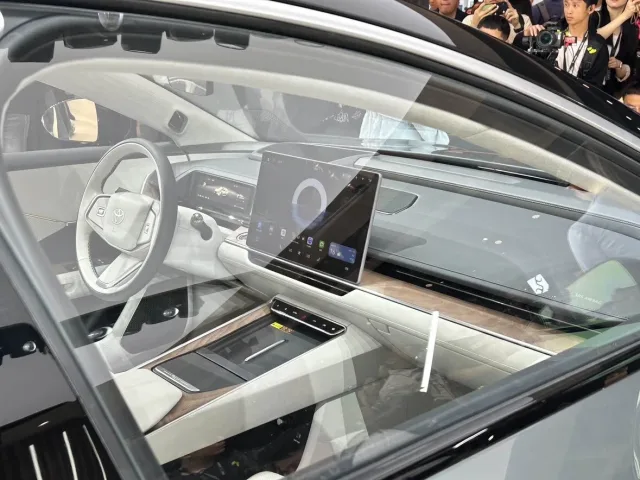
The interior is executed in the spirit of Chinese electric vehicles: a large multimedia system display, almost complete absence of physical buttons, a two-level center console with wireless charging, cup holders, and USB ports. Everything is aimed at emphasizing the modernity and digital component of the car.
Toyota has officially announced that electric motors and software for the new models of the bZ series will be created by Chinese specialists. Thus, this is not just a car adapted for the local market, but a true electric product developed in China — and for China.