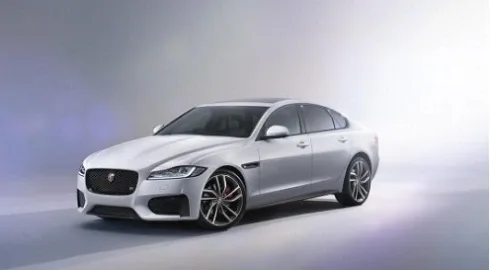
As expected, the new car is styled after the more affordable model — the XE sedan. Now these two cars have much in common, both in appearance and in technical equipment. This decision was made to improve brand recognition. At the same time, the XF retained its flagship status, so its dimensions are noticeably larger.
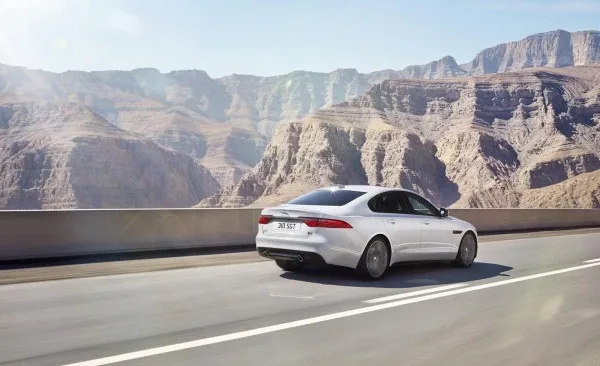
The new model is based on the aluminum iQ[Al] platform, which is already used on the XE. Thanks to this lightweight construction, the "luxury cat" has lost 190 kg in weight. The sedan inherited the chassis from the XE: a double wishbone suspension at the front and an independent multi-link Integral Link at the rear.
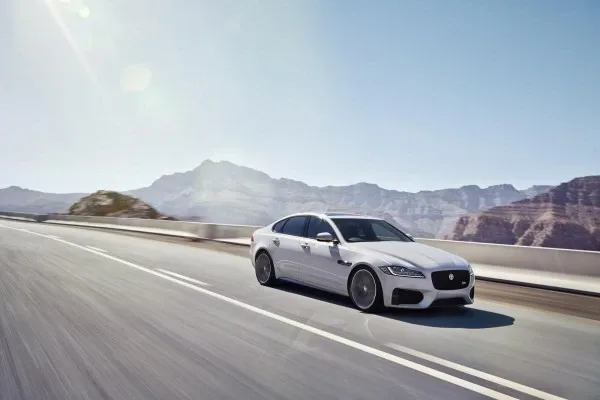
The main feature of the new model is significantly improved aerodynamic performance. The torsional rigidity of the body has increased by 28%, and the drag coefficient is 0.26. The mass distribution across the axles is "almost 50 to 50." The engine range of the second-generation sedan includes two 3.0-liter V6 engines with 300 hp (with twin turbochargers) and 380 hp (with a supercharger), as well as a 2.0-liter diesel producing 160 or 180 hp. All engines are paired with an 8-speed automatic transmission, but a 6-speed manual gearbox is also available for the diesel engine.
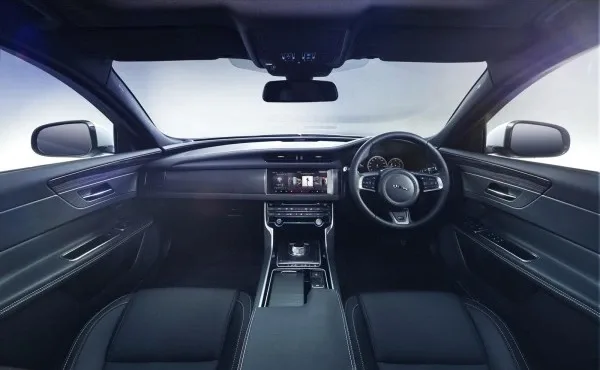
It is worth noting that the junior diesel is quite economical — its consumption is 4 liters per 100 km. In addition, the new Jaguar XF boasts a 12.3-inch digital instrument cluster, an InControl Touch Pro multimedia system with a quad-core processor, a 10.3-inch touchscreen, voice control and Bluetooth, as well as a Meridian audio system with 825 watts and 17 speakers.
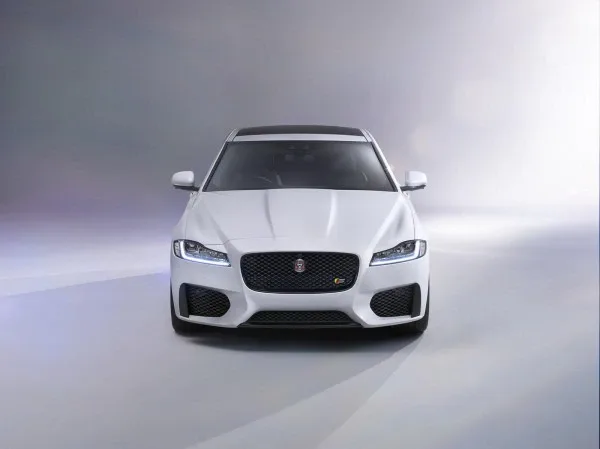
Production of the new model will start this summer. The car will compete with the BMW 5-Series, Mercedes-Benz E-Class, and Audi A6.