
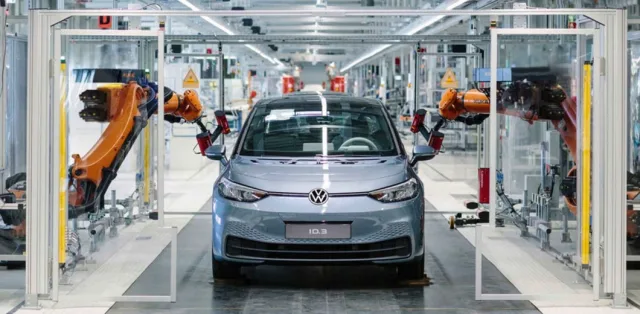
In particular, the VAT exemption for importing electric vehicles has been extended until January 1, 2026. From that date until the end of 2030, buyers of electric cars are exempt from contributions to the Pension Fund and can also take advantage of a tax credit.
In addition, the preferences have been extended to vehicles equipped with gas cylinder equipment, but only on the condition that they run exclusively on gas and are not equipped with a gasoline tank — such cars are often imported from South Korea. For such vehicles, the need to pay VAT is also abolished until January 1, 2026.

Until January 1, 2031, operations on importing products by enterprises that are already engaged in the production of electric cars, are just creating such capacities, or are modernizing them are exempt from value-added tax.
And until December 31, 2033, tax relief will be provided to industrial companies that sell electric motors for the production of electric transport (except trolleybuses), lithium-ion batteries, charging devices, as well as automakers selling their own electric vehicles.
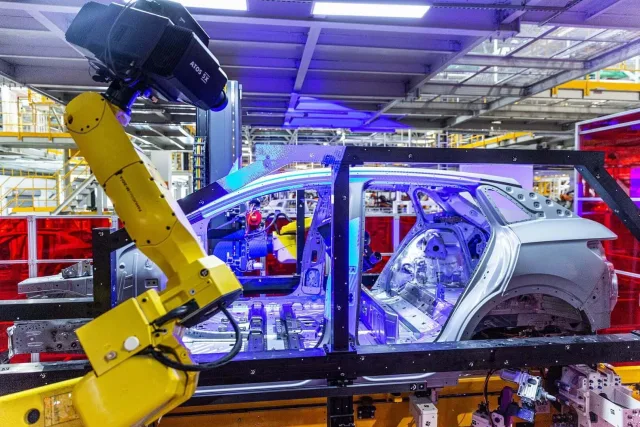
In addition, until January 1, 2031, import duties will not be levied on goods intended for the construction or renovation of production lines for the manufacture of electric vehicles, trams, and metro cars, as well as vehicles running only on gas.
The developers of the bills expect that such measures will spur the development of the production of electric equipment, because previously introduced benefits only simplified the import of finished electric cars.
It is worth noting that earlier the Ministry of Infrastructure had already proposed banning the import of cars with gasoline and diesel engines from 2030, as well as transferring the entire bus fleet to electric traction. The new laws may well become a support in the implementation of these plans.