The ADAC rating is based on data collected by accident commissioners of the German Automobile Club. Every time specialists went to help drivers, they recorded details of malfunctions in a single database. In 2020, such records accumulated to 3.4 million. Then experts compared the frequency of failures for each model with the number of cars of the same make and modification registered in Germany. The result was a coefficient showing the number of breakdowns per 100 thousand cars. The lower this indicator, the more reliable the model is considered.
Recall that earlier AutoPortal already introduced readers to a similar ADAC rating, but then it was about cars up to 10 years old, not up to 12. To avoid repetition, we decided to change the presentation: we selected three best and three worst models in each class. Additionally, for each car, the failure coefficient is indicated and the most common sources of problems are listed.
The most reliable and problematic cars according to ADAC 2021
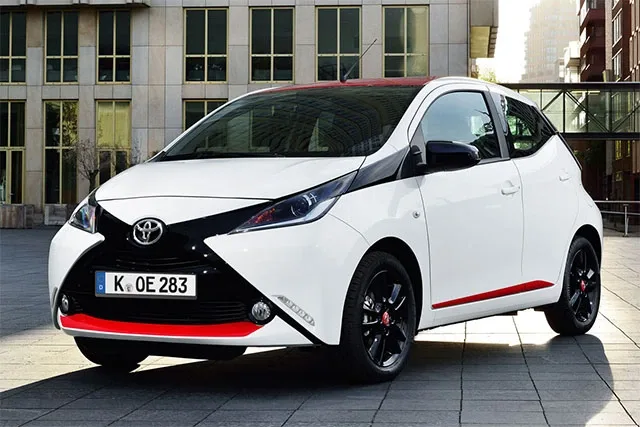
A-segment
- Toyota Aygo – contact coefficient 4.4. Most often intervention was required due to the clutch.
- Hyundai i10 – contact coefficient 6.2. The main reason is the battery.
- Renault Twingo – contact coefficient 16.8. Problems arose with brakes and immobilizer.
- Seat Mii – contact coefficient 21.6. The most common reason is the brake system.
- Fiat 500 – contact coefficient 23.9. Troubles were caused by the cooling system and ignition coil.
- Fiat Panda – contact coefficient 28.5. Most often the battery let down.
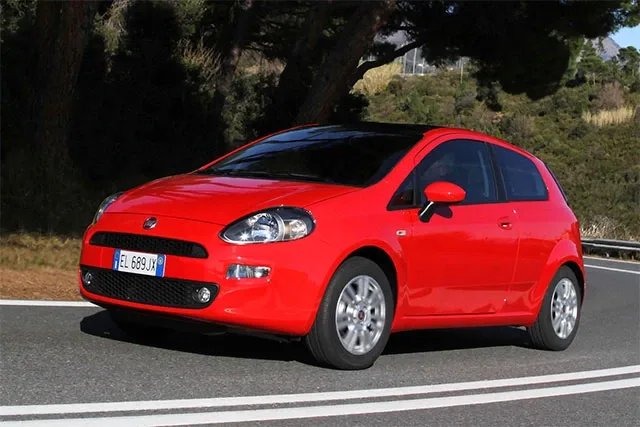
B-segment
- Fiat Punto – contact coefficient 8.8. Malfunctions concerned wiring, exhaust system and clutch.
- Audi A1 – contact coefficient 9.1. Problems arose with ignition and fuel injectors.
- Mini – contact coefficient 9.7. Most often the clutch suffered.
- Renault Clio – contact coefficient 23.5. The battery, starter and electronic immobilizer let down.
- Peugeot 208 – contact coefficient 26.5. The cause was the ignition coil and battery.
- Peugeot 207 – contact coefficient 29.2. The main sources are power steering, folding roof drive and timing belt.
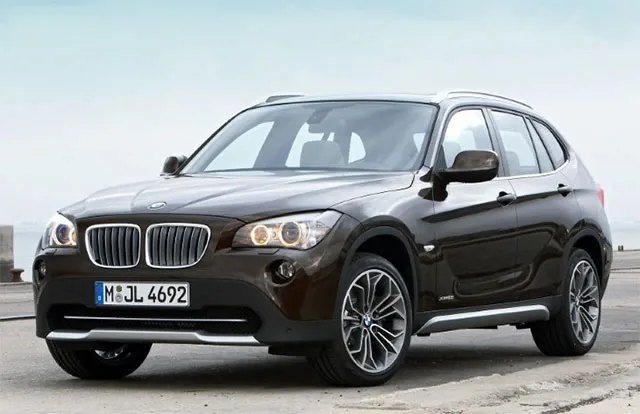
Compact cars
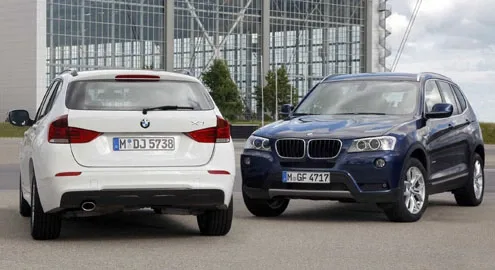
- BMW X1 – contact coefficient 7.2.
- Audi Q3 – contact coefficient 10.8.
- Hyundai i30 – contact coefficient 11.2. For all three models, the most common reason is the battery.
- BMW 1-Series – contact coefficient 31.4. Problems arose with the coil and drive chain.
- Peugeot 308 – contact coefficient 34.9. The cause was injectors, ignition coil and battery.
- Kia Sportage – contact coefficient 44.9. Malfunctions concerned the starter, drive chain, battery, clutch, spark plugs and crankshaft sensor.
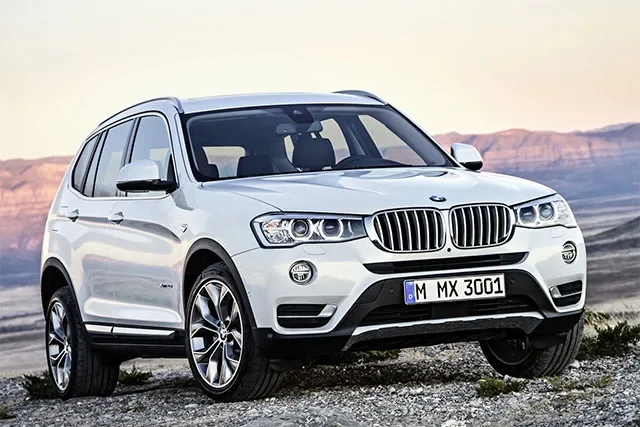
Middle class
- BMW X3 – contact coefficient 5.3. Most often the starter and turbocharger required attention.
- Audi A4 – contact coefficient 8.4.
- Audi A5 – contact coefficient 9.8. As with the A4, the main problems are the drive chain and exhaust system.
- Ford Mondeo – contact coefficient 23. Most often the battery and fuel pump let down.
- Opel Insignia – contact coefficient 28.1. Malfunctions concerned the battery and air conditioning.
- Volkswagen Sharan – contact coefficient 32.8. The cause was the battery and exhaust gas recirculation system.
AutoPortal comment
The results of the ADAC rating may seem unexpected. For example, for those looking for a nine-year-old car for short city trips, the Fiat 500, which ended up on the outsiders list, may in practice become a quite successful purchase among A-class representatives. At the same time, the leaders of the rating also begin to surprise over time. It is important to consider that the ADAC statistics included only those breakdowns that did not make the car completely inoperable. Therefore, the presented data reflect only part of the real picture of malfunctions.