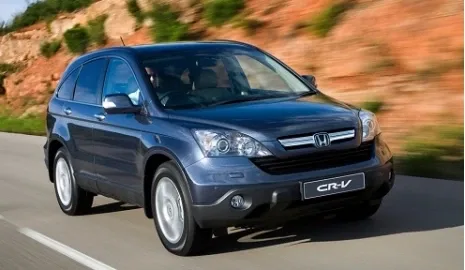
Сначала напомним, что об этой модели мы уже упоминали в материале, посвящённом подержанным японским кроссоверам бюджетом до 25 000 долларов. Но если хочется узнать детально именно про CR-V — ниже развёрнутый разбор сильных и слабых сторон этого автомобиля.
Тем, кто хочет без лишних слов, выделив 20 минут на просмотр видеоролика с участием независимого специалиста по подбору машин с пробегом Стаса Карабаша:
2006 год: на автосалоне в Париже дебютировало третье поколение Honda CR-V
2010 год: модель подверглась рестайлингу
2012 год: на смену приходит четвёртое поколение
Кузов
Третье поколение Honda CR-V выделяется выразительным и динамичным экстерьером. С виду автомобиль не похож на внедорожник. По сути, так и есть — при дорожном просвете 185 мм он скорее рассчитан на асфальт, чем на бездорожье.
Часть владельцев отмечает недостаточную жёсткость кузова — это ощущается при преодолении неровностей и заездах на бордюры. А вот к устойчивости к коррозии претензий нет.
Из минусов, вернее, «детских болезней», можно выделить отсутствие на отдельных версиях водоотводного уплотнителя на кромке крышки багажника — при открытии в дождливую погоду вода затекает внутрь салона.
Салон
Одним из преимуществ CR-V, которого нет у конкурентов, является абсолютно ровный пол. Внутри просторно, водитель сидит высоко, обзор отличный. Качество отделочных материалов — не лучшее, но и не худшее. Многие владельцы жалуются на посторонние шумы, особенно на неровных дорогах.
Вариантов трансформации салона множество. Плюс задний ряд сидений сдвигается вперёд/назад на 15 см, имеет регулируемый наклон спинки и складывается в пропорции 40:20:40.
Шумоизоляция средняя. В походном положении багажник — один из самых скромных среди одноклассников (442 л).
Иногда отказывает муфта кондиционера, из-за чего перестаёт работать климат-контроль.
Двигатель
На CR-V третьего поколения ставились три мотора — два бензиновых (2.0 и 2.4) и один дизельный объёмом 2.2 л.
Чаще всего встречаются бензиновые агрегаты. Серьёзных претензий к ним нет. У двухлитрового мотора нередко выходит из строя демпфер натяжного ролика навесного оборудования (появляется дребезжащий звук под нагрузкой). У двигателя 2.4 бывает течь переднего сальника коленвала.
Привод ГРМ у бензиновых моторов цепной. Если не следить за уровнем масла, цепь может растянуться к 150 тыс. км пробега. Тепловые зазоры клапанов рекомендуется регулировать каждые 45 тыс. км (при установке ГБО — каждые 15 тыс. км).
Расход топлива вполне приемлемый: двигатель 2.4 в городе тратит примерно 13–14 л на 100 км, двухлитровый — 11–12 л на 100 км.
Дизельные версии — большая редкость. Нареканий на них нет, разве что со временем и на нашем топливе забивается сажевый фильтр, что ухудшает динамику.
Трансмиссия
Трансмиссия Honda CR-V — подключаемый полный привод. Блокировку дифференциала имитирует электроника, притормаживая буксующие колёса. Есть данные, что были и моноприводные модификации, но в Украине таких машин, если и встретишь, то очень мало. Коробки передач — двух типов: 5-ступенчатый «автомат» или 6-ступенчатая «механика» (ставилась на версии 2.0 и 2.2).
Проблем с КПП при нормальной эксплуатации не возникает. Масло в «механике» меняется каждые 60 тыс. км, в «автомате» — через 45 тыс. км. При каждой второй замене нужно обновлять и масляный фильтр. Масло в заднем мосту меняется каждые 75 тыс. км.
Ходовая часть
Подвеска у CR-V независимая: спереди McPherson, сзади двухрычажная. Управляемость близка к легковым автомобилям, ход жёстковат, но дискомфорта нет.
Ходовая очень живучая. Втулки передних стабилизаторов ходят около 60 тыс. км, задние — 80 тыс. км. Сами стойки стабилизаторов выдерживают 100–120 тыс. км. Передние и задние сайлентблоки — до 200 тыс. км.
К минусам можно отнести задние пружины, склонные к проседанию. Тормоза эффективные, но недолговечные: при активной езде передние колодки и диски изнашиваются уже на 30 тыс. км, задние — на 45 тыс. км.
Плюсы
| Минусы
|