В прошлом материале «Что будет если… ксенон поставить в обычные фары?» мы детально разбирали особенности ксеноновых ламп. Сейчас же сосредоточимся на том, как они ведут себя в фарах, которые для них не предназначены.
Напомним, что такие гиганты, как Philips и Osram, никогда не выпускали газоразрядные лампы с цоколями, совместимыми с галогенными. Их основная специализация — поставка осветительных систем на заводские конвейеры. Всё, что продаётся на рынках и в магазинах, — это продукция китайских и корейских производителей.
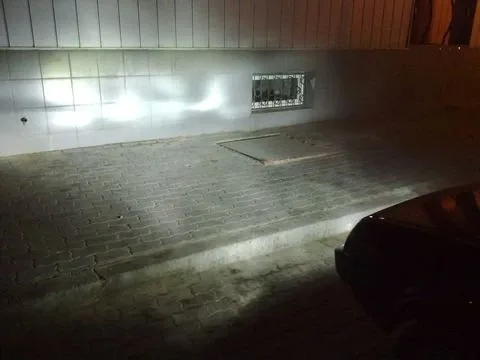
Здесь хорошо видно, как формируется световой пучок от нештатного «ксенона».
Производство наладили быстро: договорились с известными брендами о закупке «полуфабрикатов» — колб с уже встроенными электродами и газом. Подогнать под них цоколь нужного формата — уже вопрос техники. Блоки розжига они делают самостоятельно, но по упрощённым схемам. Итог не заставил себя ждать: вместо фирменных устройств за 1000 долларов появились лампы за 150–300 долларов. Тут же нашлись желающие установить такой свет на свои авто. При этом мало кто задумывался о безопасности, а зря — не всё так радужно, как расписывают «специалисты» по установке.
Владельцы машин с «колхозным» ксеноном уверяют, что разговоры о его опасности — выдумки завистников. Однако они ошибаются, и это легко доказать.
Достаточно подъехать к экрану для регулировки фар и проверить, насколько эффективно работает освещение.
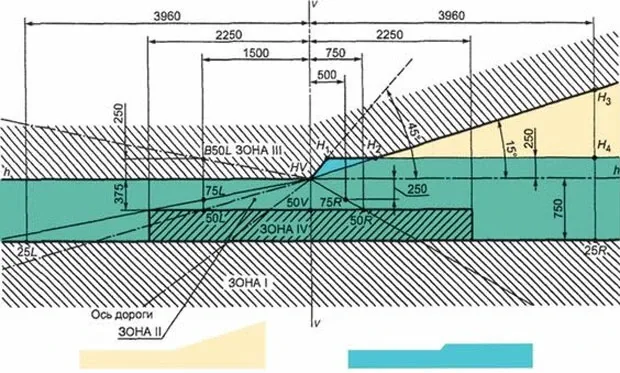
Варианты светового пучка, которые допускаются Правилами ЕЭК ООН (жёлтый и голубой).
Схема контрольных точек и зон на экране, установленном на расстоянии 25 метров от фары. При сертификации фары по ДСТУ и Правилам ЕЭК ООН в неё ставят «эталонную» лампу с минимальными отклонениями. Для серийных фар допускается отклонение освещённости до 20 процентов.
Как видно на схеме, ближний свет имеет чётко очерченные границы. Это нужно, чтобы не ослеплять водителей встречных автомобилей.
Каждая фара рассчитана под конкретный тип лампы и её характеристики. Если поставить другую — световой пучок изменится. Российское издание «Авто Ревю» провело серию тестов на специальном оборудовании. Выводы однозначны: использование «чужих» ламп даёт негативный эффект.
На схемах освещения экрана видно, как ведут себя разные фары.
Эксперимент проводился на фарах Ford Focus.
Сравнивались:
- штатная фара с галогенной лампой
- заводская фара с ксеноном
- обычная галогенная фара с установленным ксеноном
Штатная фара с галогенной лампой дала правильную картину света с чёткой границей между светлой и тёмной зонами. В глаза встречному водителю попадает минимум света.
Заводская фара с ксеноном даёт почти такой же рисунок, но светлая зона освещается интенсивнее, а граница выражена сильнее.
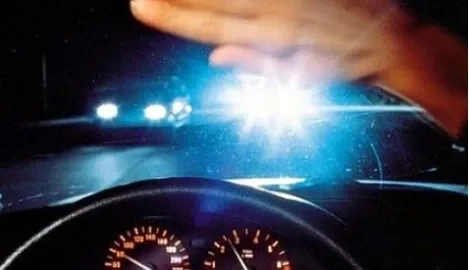
Обычная галогенная фара с ксеноном показала плачевный результат: нештатная лампа сильно слепит встречных водителей.
Ещё хуже оказались фары от ВАЗ 2105.
Со штатной лампой они дают образцовый рисунок. Но...
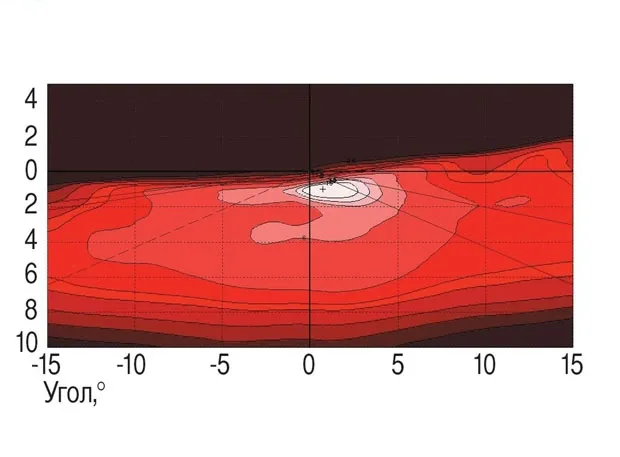
...с «биксеноном» ВАЗ светит во все стороны, в том числе прямо в глаза встречным водителям. При этом общая освещённость лишь немногим выше, чем у галогенки.
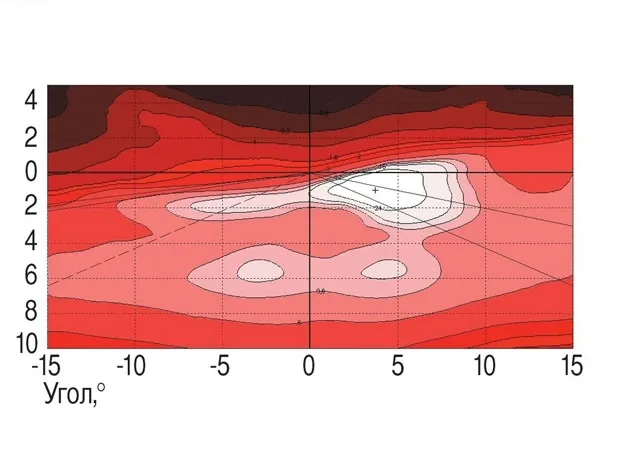
Более-менее приемлемый результат получился только с прожекторной фарой от ВАЗ 2110. Рисунок света почти соответствовал нормам. Пересветы были, но незначительные — не в два-три раза, как у рефлекторных фар. Это связано с конструкцией: граница затемнения отсекается экраном перед линзой. Правда, особого преимущества ксенона перед галогеном не заметили — разве что пространство справа от обочины освещается лучше.
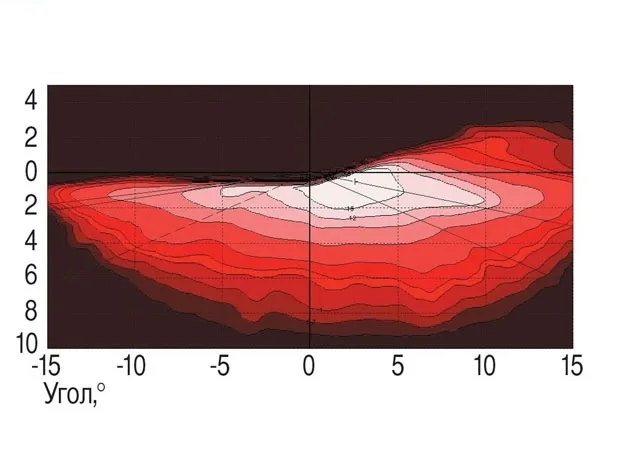
Стандартная прожекторная фара ВАЗ 2110
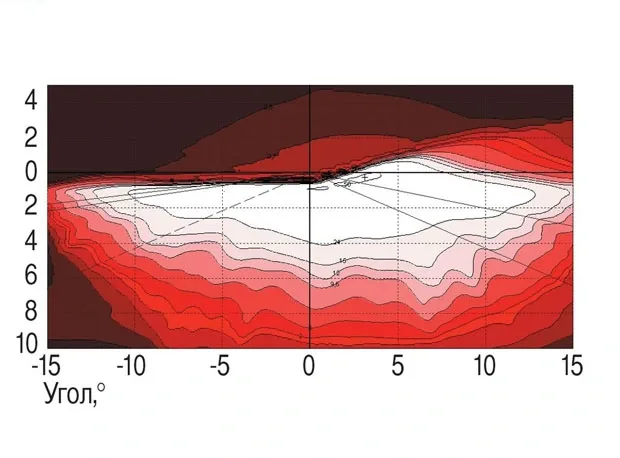
Та же фара, но с установленным «ксеноном».
Вывод очевиден: ставить «колхозный» ксенон в рефлекторные фары не стоит — это опасно для встречных водителей, а значит, и для вас самих. Они ярче, но освещают больше небо, чем дорогу. Линзованные фары показывают себя лучше, но требуют правильной профессиональной настройки.
На собственном опыте
Опыт эксплуатации машин с заводским ксеноном (тест-драйвы АвтоПортала) показал, что и у него есть минусы. Вот почему...
Цветовая температура газоразрядных ламп выше, чем у галогенных (4300–6800 К против 3000 К), из-за чего их эффективность падает в пасмурную, туманную и дождливую погоду. Вы наверняка замечали: в тумане важна не мощность потока, а цветовая температура. Чем она ниже (жёлтый оттенок), тем лучше фары «пробивают» туман. Если машина используется в местах, где туманы и дожди — обычное дело, стоит использовать жёлтые светофильтры и/или противотуманные фары.
Ещё одно обязательное условие для ксеноновых фар — чистота и наличие омывателя. Дело в том, что чем выше интенсивность свечения, тем сильнее рассеивание света. Если фара грязная или покрыта налётом, она превращается в светящийся экран. Поэтому владельцам машин с газоразрядными фарами не стоит экономить на «омывайке».