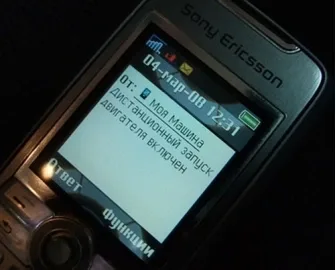
Система дистанционного запуска и прогрева двигателя, которая изначально использовалась на грузовиках, эксплуатирующихся в сложных климатических условиях, в наши дни всё чаще встречается на легковых автомобилях. Её основная задача — запустить мотор в заданное время, довести его температуру до оптимальных значений и заодно подготовить салон к поездке. Причём такой модуль применим не только зимой для обогрева, но и летом, когда необходимо охладить interior машины, активировав климатическую установку.
Как и у любого технического устройства, у модуля автозапуска есть свои достоинства и недостатки, о которых пойдёт речь далее.
Что такое система автозапуска мотора
Внешне устройство автозапуска выглядит довольно просто. Это компактный пластиковый корпус, внутри которого размещена электронная плата с реле-микросхемами, отвечающими за контроль различных датчиков автомобиля. В комплекте с блоком поставляется набор проводов, посредством которых он подключается к стандартной проводке транспортного средства. Благодаря небольшим габаритам модуль можно разместить практически в любом месте салона — главное, чтобы в выбранной точке имелся доступ к нужным электрическим цепям.
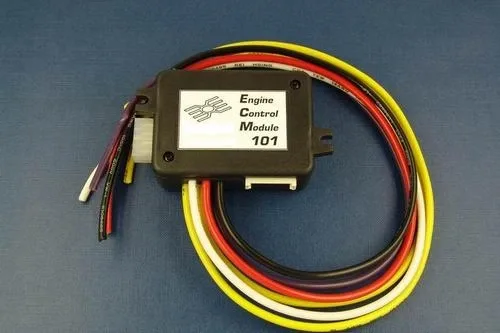
Реле управляющего блока обеспечивают корректный запуск мотора, следя за следующими элементами:
- система зажигания
- датчик давления масла
- цепь свечей накаливания (актуально для дизельных моторов)
- тахометр (частота вращения коленвала)
- рычаг ручного тормоза и коробка передач
- педаль газа
- датчик скорости
- концевой выключатель капота
Существует два варианта монтажа блока автозапуска: в связке с охранной сигнализацией либо как самостоятельное устройство, например, когда автомобиль не оснащён защитной системой. При этом тип двигателя (бензиновый или дизельный, атмосферный или турбированный) и коробки передач (автомат или механика) не имеет значения — модуль совместим с любыми агрегатами.
Стоит учесть, что блок автозапуска функционирует в двух режимах: автоматическом и дистанционном. В первом случае момент запуска задаётся таймером, программируемым по одному из параметров: конкретное время, температура в салоне или температура двигателя. Во втором — управление осуществляется владельцем с брелока сигнализации либо через мобильный телефон (SMS или GPS-команда).
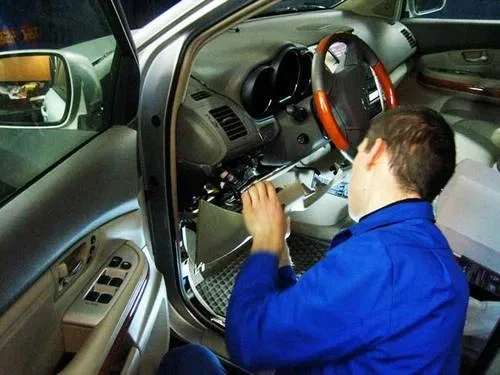
Установить автозапуск можно и своими силами — для этого потребуется сам модуль (в среднем около 400 гривен) и блок обхода иммобилайзера (примерно 180 гривен), либо сигнализация с этой функцией (цены на такие модели приведены в таблице ниже). Также монтаж можно доверить специализированному сервису — в Киеве такая услуга обойдётся ориентировочно в 750 гривен. Если машина находится на гарантии, лучше обращаться на официальную станцию техобслуживания, поскольку установка в стороннем сервисе может стать причиной снятия автомобиля с гарантии.
Как работает автозапуск
Хотя существуют блоки с автоматическим и дистанционным управлением, принцип их действия практически одинаков. В запрограммированное время (для автоматического режима) либо после получения команды с пульта или телефона модуль подаёт напряжение на цепь зажигания, затем выдерживает паузу в две секунды — за это время давление масла в системе восстанавливается, — и только после этого активирует стартер. В случае дизельного двигателя алгоритм дополняется контролем свечей накаливания. Если блок является частью охранного комплекса, сначала снимаются блокировки сигнализации, а уже затем включаются зажигание и стартер. При автономной установке сначала выполняется обход иммобилайзера, после чего модуль подаёт питание на зажигание и стартер.
Обход штатного иммобилайзера — ключевой этап монтажа автозапуска, ведь задача этого противоугонного устройства — разрывать одну или несколько цепей, необходимых для пуска двигателя. Поэтому при установке понадобится блок обхода с цифровой микросхемой (его обычно размещают в моторном отсеке или за приборной панелью), который позволяет избежать конфликта между автозапуском и защитной системой. Чаще всего в роли такого блока выступает запасной ключ зажигания со встроенным чипом для деактивации иммобилайзера.
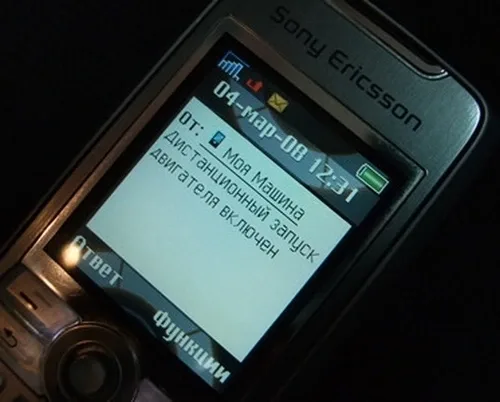
Любой модуль автозапуска можно настроить на определённое число попыток запуска стартера (по умолчанию — три, обычно можно увеличить до пяти). Если мотор завёлся (блок определяет это по данным датчиков оборотов коленвала, давления масла или напряжения в сети), автомобиль подаёт сигнал «аварийкой» либо отправляет уведомление на брелок или телефон. Некоторые более дорогие модели оснащены функцией самодиагностики: например, если запуск не удался из-за неисправного аккумулятора, микропроцессор определит причину и сообщит о ней владельцу.
Правильное использование автозапуска
Чтобы избежать нештатных ситуаций (например, самопроизвольного движения автомобиля), следует соблюдать определённые правила активации автозапуска. Для машин с механической и автоматической коробками передач эти алгоритмы отличаются.
Порядок действий для МКПП:
- включить нейтральную передачу
- затянуть стояночный тормоз
- покинуть автомобиль и закрыть двери
- включить сигнализацию и активировать автозапуск.
Многие водители привыкли оставлять автомобиль на передаче после остановки двигателя. С установкой автозапуска придётся переучиваться и ставить машину на «нейтраль», иначе модуль не активируется. Впрочем, производители предусмотрели решение — так называемая «программная нейтраль» не даст заглушить мотор, пока не будет включена нейтральная передача.
Порядок действий для АКПП:
- перевести селектор коробки в режим Parking
- выйти из машины и закрыть двери
- включить сигнализацию и активировать автозапуск.
Если хотя бы одно из перечисленных условий не выполнено, система автозапуска не включится.
Преимущества автозапуска
- тёплый двигатель и прогретый салон зимой / прохладный салон летом;
- экономия времени;
- функция турботаймера (опционально), позволяющая плавно остановить турбину, что продлевает ресурс агрегата.
Недостатки автозапуска
- временное отключение штатного иммобилайзера и датчика удара сигнализации;
- повышенный расход топлива;
- обледенение выхлопной трубы зимой из-за конденсата, скапливающегося при длительной работе на холостых оборотах;
- примерзание тросиков ручного тормоза или тормозных колодок при постановке на нейтраль в мороз;
- при ослабленном ручном тормозе есть риск скатывания автомобиля, особенно на уклоне.
Полезные рекомендации:
1. Чтобы избежать обледенения выхлопной трубы, стоит устанавливать таймер прогрева на оптимальные 10 минут — тогда двигатель не будет работать на холостом ходу слишком долго, и конденсат не накопится.
2. Если тросик ручного тормоза замёрз, можно попробовать снять колёса, оттянуть флажок «ручника» в крайнее заднее положение и подёргать тросик. Также можно простучать колодки и поставить колёса обратно.
3. При слабом ручном тормозе рекомендуется подкладывать под колёса противооткатные упоры или кирпич.
4. Если колодки примёрзли к дискам, можно воспользоваться одним из методов (в зависимости от типа тормозов):
а) для дисковых — обработать диски в районе колодок незамерзающей жидкостью, рассчитанной на -20 градусов;
б) для барабанных — налить в пластиковую бутылку 1,5–2 литра горячей воды, проделать отверстие в крышке и полить на диски в районе колодок. Если не помогло — придётся снять колесо и прогреть барабаны паяльной лампой или строительным феном;
в) попробовать «оторвать» колодки, раскачивая автомобиль вперёд-назад.
Итог
Учитывая, насколько суровыми стали зимы и жаркими летние периоды в Украине, установка автозапуска выглядит вполне оправданным решением.
Однако нельзя игнорировать и реальный риск угона: во время активации автозапуска охранные системы автомобиля отключаются. Кроме того, если для обхода иммобилайзера используется запасной ключ, злоумышленник может найти его, проникнув в салон, что значительно упростит кражу.
Стоит также помнить, что перечисленные недостатки (примерзание колодок, тросов ручника, риск скатывания) актуальны в основном для механической коробки передач. Поэтому владельцам авто с МКПП при установке автозапуска нужно учитывать эти особенности.
В итоге, только сам автовладелец, взвесив все плюсы и минусы, может решить, стоит ли оснащать свою машину системой автозапуска.
Сигнализации с функцией автозапуска
Марка, модель
| Дальность управления, м
| Дальность приёма, м
| Принцип действия автозапуска
| Стоимость, грн
|
Cyclon RS1000 v2
| 500
| 1450
| дистанционный (для любых типов КПП, а также с помощью брелока) запуск двигателя
| 743
|
Sheriff ZX-1070
| 900
| 2000
| дистанционный запуск от внешнего сигнала брелока сигнализации
| 910
|
Scher-Khan Logicar 2
| 500
| 1500
| дистанционный (для любых типов КПП, а также с помощью брелока) запуск двигателя
| 1113
|
Pandora DXL 3000
| 650
| 1800
| автоматический (при разряде штатного аккумулятора или при понижении/повышении температуры воздуха) и дистанционный (для любых типов КПП, а также с помощью брелока) запуск двигателя
| 2835
|
Magnum Elite MH-880
| 1000
| 2500
| автоматический (при разряде штатного аккумулятора или при понижении/повышении температуры воздуха) и дистанционный (для любых типов КПП, а также с помощью телефона) запуск двигателя
| 2900
|