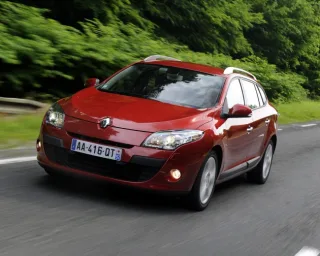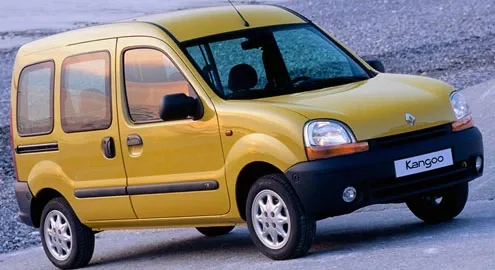
Когда-то именно Renault Kangoo задавал моду в этом сегменте. В этом материале разберемся, стоит ли рассматривать этот «трудяга» к покупке, принимая во внимание значительные пробеги и непростые условия эксплуатации на наших дорогах.
Эта публикация продолжает цикл статей АвтоПортала, посвященных выбору и приобретению автомобилей с пробегом. С полным списком предложений можно ознакомиться в разделе «Б/У авто» на нашем сайте.
Общие данные
- Кузов: универсал с четырьмя дверями
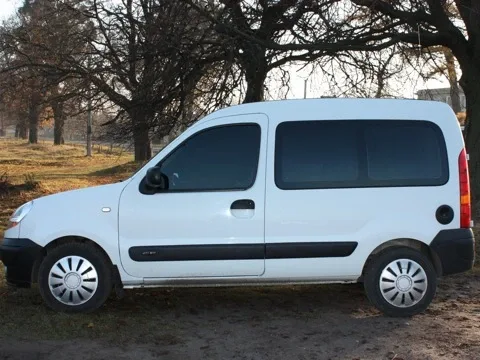
- Посадочных мест: 5
- Габариты (Д/Ш/В), мм: 3995/1663/1827
- Расстояние между осями, мм: 2600
- Клиренс, мм: 140
- Багажное отделение, л: 600/2600
- Масса без нагрузки, кг: 1065
- Максимальная масса, кг: 1645
- Грузоподъемность, кг: 580
- Всего предлагалось 8 силовых агрегатов: четыре бензиновых: 1,2 л (59 л.с.), 1,4 л (75 л.с.), 1.2 16V (75 л.с.), 1.6 16V (95 л.с.).
- Четыре дизельных: 1.5 dCi (65 л.с.), 1.5 dCi (82 л.с.), 1.9 D (55 и 65 л.с.) и 1.9 dTi (80 л.с.).
- Трансмиссия: механическая на 5 ступеней или автоматическая на 4 диапазона
- Тип привода: передний или подключаемый полный (доступен с 2002 г.)
- Передние тормозные механизмы: диски с вентиляцией
- Задние тормоза: барабанного типа
Историческая справка
- 1997 - первое появление модели
- 2001 – обновление внешности и техники
- 2002 - появление версии с приводом на все колеса
- 2007 - завершение выпуска модели
Машина завоевала признание как у крупных компаний, так и у частных предпринимателей, что объясняется невысокими затратами на содержание и достойными эксплуатационными характеристиками.
Планировка внутреннего пространства «Renault Kangoo» напоминает скорее микроавтобус, чем легковушку. Это ощущение усиливает панорамное лобовое стекло. Над головой особенно много свободного места: при ширине кузова 169 см высота автомобиля достигает 183 см. Посадка водителя высокая, как в минивэне или внедорожнике. Благодаря такому объему над ветровым стеклом удалось организовать просторную полку для багажа, тянущуюся во всю ширину салона.
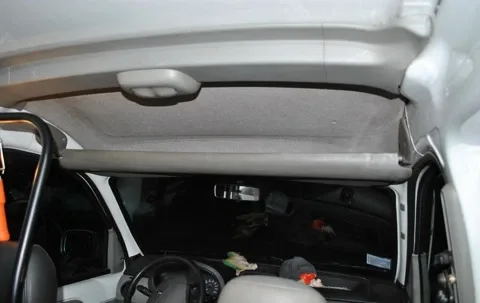
На ней, к примеру, удобно, как в чехле, разместится ружье с коротким стволом или разобранная удочка — словом, любой предмет вытянутой формы.
Интерьер
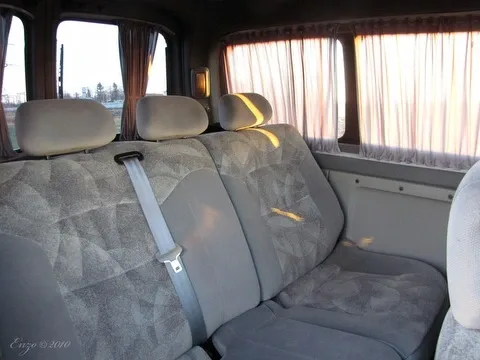
На проезжей части «Kangoo» занимает не больше места, чем обычный хэтчбек гольф-класса — его длина около 4 метров. Однако, в отличие от таких машин, этот «автомобиль для жизни» оснащен полноценным трехместным задним диваном. Пассажиры попадают на второй ряд через сдвижную дверь с правой стороны, что упрощает посадку на тесных парковках. Начиная с 1999 года, для модели стала доступна опция с дополнительной сдвижной дверью слева.
Багажник отличается вместительностью. По своему объему он сопоставим с грузовым фургоном, позволяя перевозить большое количество вещей. Задний ряд сидений без труда складывается, превращая багажное отделение в пространство объемом 2 600 литров, куда свободно войдет крупный телевизор в коробке или холодильник средних размеров.
Некоторые владельцы «Kangoo» приспосабливают багажник для перевозки домашних животных. Как показывает практика, именно такие машины часто выбирают хозяева больших собак.
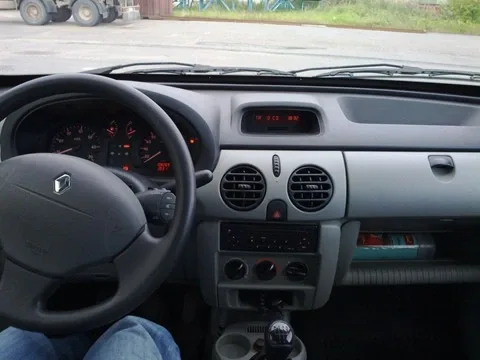
Качество материалов отделки в «Renault Kangoo» далеко от идеала. Впрочем, от недорогой утилитарной модели ожидать иного не приходится. Зато сборка и стыковка панелей интерьера не вызывают претензий — в движении салон не издает посторонних скрипов.
Обратите внимание на то, как закрывается боковая сдвижная дверь. Если механизм работает плохо — это повод для торга. Также со временем может начать заедать электрический люк, расположенный в задней части крыши.
Кузов
«Renault Kangoo» достаточно стойко переносит коррозию, но при осмотре стоит уделить внимание колесным аркам и нижней части передних дверей. В этих зонах лакокрасочное покрытие часто стирается до металла. Если на автомобиле не установлены брызговики, их лучше поставить сразу после покупки.
Стоит учесть, что даже в официальных сервисах за эту, на первый взгляд, простую процедуру берутся без особого энтузиазма. Из-за унификации деталей брызговики поступают в техцентры в виде полуфабрикатов, и их подгонка требует значительных усилий.
Силовые агрегаты
На «Renault Kangoo» устанавливались бензиновые четырехцилиндровые двигатели объемом 1,2, 1,4 и 1,6 литра, выдающие 60, 75 и 95 лошадиных сил соответственно. Наиболее часто встречающиеся дизельные версии имеют мощность 64 и 80 сил.
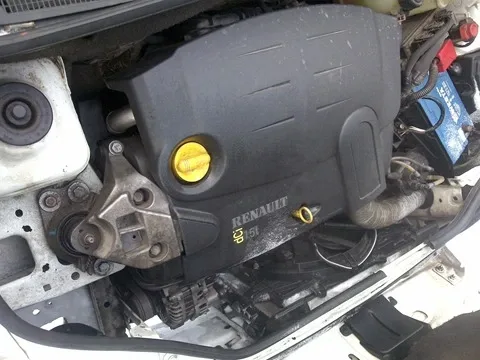
Бензиновые двигатели считаются надежными. Однако из-за качества украинского топлива через 40000-50000 км пробега забиваются форсунки. Некачественное горючее с высоким содержанием смол может привести к заклиниванию клапанов в направляющих. Также нередки случаи выхода из строя датчиков коленвала и температуры. К счастью, их замена, как и стоимость самих деталей, не ударит по бюджету. Важно помнить: моторы предпочитают обслуживание на специализированных станциях.
Замена даже ремня ГРМ (интервал замены — каждые 60000 км) в негарантийном сервисе может обернуться серьезными проблемами. Часто вместе с ремнем приходится менять и помпу, которая к этому моменту начинает подтекать — на ней появляются следы тосола, или, как говорят механики, она начинает «потеть».
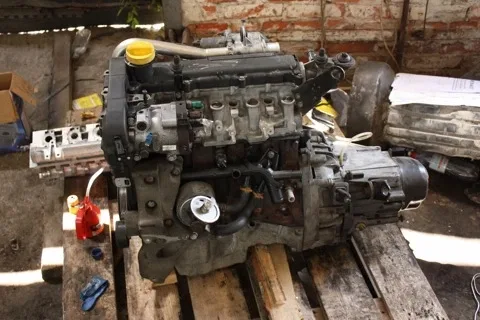
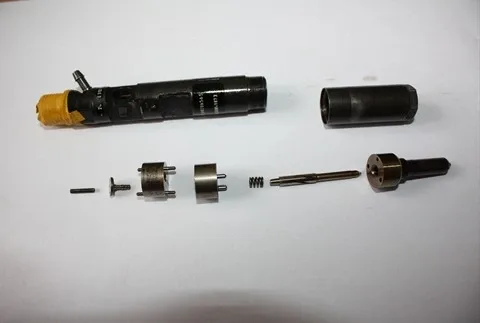
От приобретения дизельных модификаций Kangoo лучше отказаться – они тяжело переносят отечественное солярку. В моторах объемом 1,9 литра из-за этого случались поломки клапанов в ТНВД, а в агрегатах с непосредственным впрыском (1,5 и 1,9 л) выходили из строя топливные насосы и форсунки.
Коробка передач
Большая часть автомобилей Renault Kangoo оснащена механической коробкой на 5 передач. На версиях с полным приводом она работает в паре с двухступенчатой раздаточной коробкой. Бензиновые модификации могли комплектоваться автоматической трансмиссией на 4 ступени. Механика работает четко, посторонних люфтов и шумов в рычаге переключения не наблюдается даже после 100 тыс. км пробега.
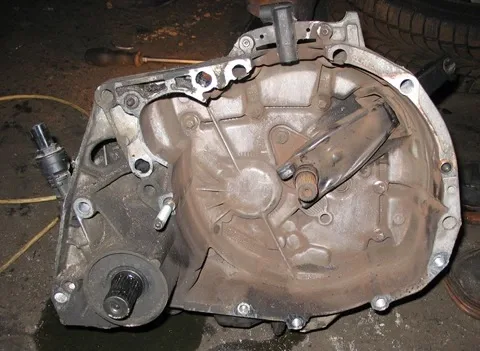
Со временем на сальнике тяги переключения может появиться незначительное «запотевание». Хотя утечка масла незначительна, стоит регулярно проверять его уровень в коробке. Замена сцепления обойдется недешево.
Ходовая часть
Спереди у Renault Kangoo независимая пружинная подвеска, сзади — полузависимая торсионная балка. Обе оси оснащены стабилизаторами поперечной устойчивости. Подвеска достаточно комфортная — небольшие дефекты дорожного покрытия она отрабатывает без труда.
Сайлент-блоки передних рычагов служат до 80 тыс. км, шаровые опоры — несколько меньше, порядка 60-70 тыс. км. Задняя торсионная балка может прослужить очень долго, но только при условии, что автомобиль не перегружают сверх допустимой нормы.
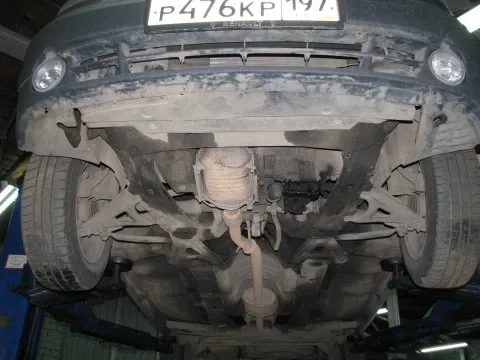
Тормозная система отличается остротой, но при этом замедление легко контролировать. Передние колодки изнашиваются через 25-30 тыс. км, задние могут пройти до 60 тыс. км. На передних тормозных дисках отсутствуют защитные кожухи для лучшего охлаждения, поэтому их замена может потребоваться уже примерно через 70 тыс. км.
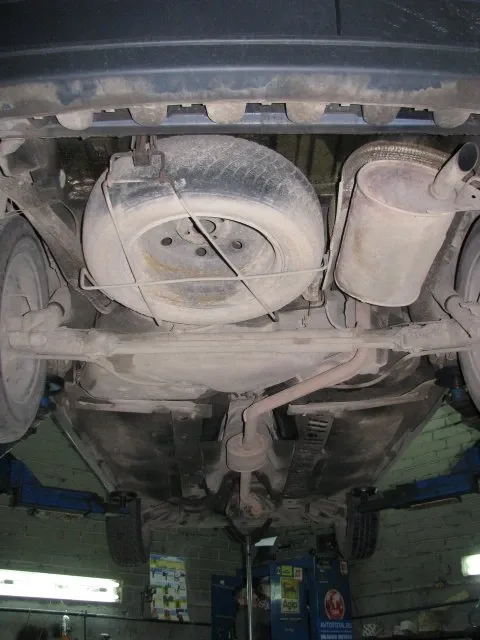
При наличии гидроусилителя руль достаточно легкий при маневрировании, проблем с гидравликой обычно не возникает. Рулевые наконечники служат порядка 60 тыс. км.
Стоимость запчастей и обслуживания
Цены на запчасти в целом нельзя назвать высокими, но, как у большинства французских марок, существует разброс. Что касается взаимозаменяемости — многие элементы подвески, двигателя и трансмиссии подходят от других моделей, например, Renault Clio. Так что с поиском деталей проблем не возникнет.
Среди владельцев бытует мнение, что, несмотря на относительную простоту конструкции, автомобиль требователен к качеству обслуживания. Некоторые операции лучше доверить профессионалам или официальному дилеру.
На авторазборках таких машин достаточно, цены на детали средние, поэтому сложностей с поиском б/у запчастей нет.
Для примера:
- капот - $150
- передний амортизатор - $50
- передний суппорт - $50
- переднее крыло - $80
- турбина для дизеля - $400
- радиатор кондиционера - $100
Выводы
Можно дискутировать о ходовых качествах и уровне комфорта Kangoo, однако по части практичности и функциональности с этим «пирожком» может сравниться немногий легковой автомобиль. Если бюджет на полноценный минивэн ограничен, а хочется именно универсальной машины, рассмотренная модель может стать хорошим выбором.
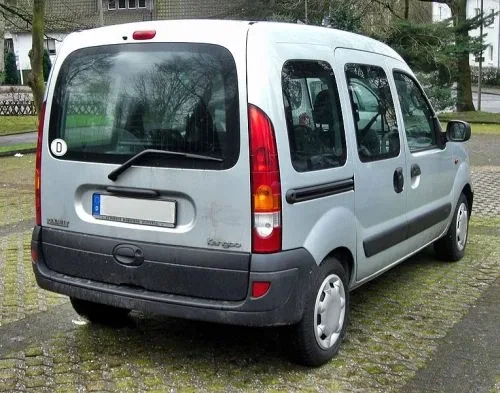
Главное — избегать покупки экземпляра, который ранее использовался в коммерческих целях (а таких немало). Это может выйти боком, особенно если речь идет о дизельной версии.
Ценовой диапазон выглядит следующим образом: от $5000 за автомобиль 1998 года выпуска. Верхняя граница достигает $11500 — столько просят за пригнанный «пассажирский» вариант 2007 года.
С каталогом подержанных авто вы можете ознакомиться на наших страницах, перейдя в раздел "Б/У авто".
Отзывы владельцев
Достоинства | Недостатки |
|
|