Если животное дикое
Столкновение с крупным диким зверем обычно приводит к тяжелым последствиям: разбитому автомобилю, возможным увечьям людей, а затем — череде вызовов: скорой, ГАИ, МЧС и эвакуатора. Будем исходить из того, что люди в этой аварии не пострадали. При столкновении с мелким или средним зверем страдает в первую очередь само животное, а авто получает незначительные повреждения. Дальнейшие действия водителя — вопрос его совести и мировоззрения. Логичный порядок действий таков:- Остановиться и осмотреть пострадавшее животное.
- Если оно погибло — убрать тушу с проезжей части.
- Если животное ранено — как можно быстрее доставить его к ветеринару. Важно помнить: даже безобидное на вид существо от боли и испуга может быть опасным.
- После оказания помощи животное лучше передать в зоозащитную организацию или зоопарк, по возможности поддержав их финансово.
Когда у животного есть хозяин: юридические тонкости
Здесь все гораздо запутаннее. По законам Украины, домашние питомцы считаются частной собственностью, и наезд на них влечет за собой правовые последствия. Действия должны быть такими:- Остановиться и оценить состояние животного.
- Если оно погибло — выразить соболезнования владельцу и предложить посильную помощь.
- Если животное живо, но травмировано — вместе с хозяином везти его к ветеринару, предлагая свою помощь и финансовое участие.
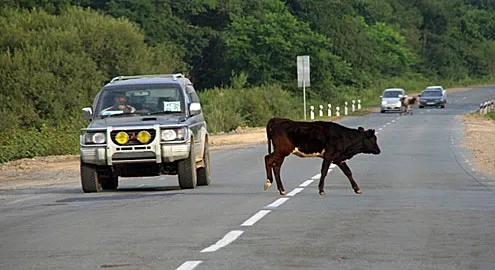 Если водитель хочет взыскать с владельца животного стоимость ремонта, алгоритм такой: вызов ГАИ, оформление ДТП, подача иска и судебное разбирательство. В свою очередь, хозяин животного может подать встречный иск о компенсации морального и материального вреда, утверждая, что животное вырвалось случайно.
Вариант 3
Хозяин животного подает иск к водителю за уничтожение или повреждение своего имущества.
К иску нужно приложить заключение ветеринара о состоянии животного и характере травм, чеки из клиники, подтверждающие расходы на лечение. Также можно потребовать компенсацию за покупку животного, его содержание и дрессировку.
Правда, для этого хозяин должен быть абсолютно уверен, что сам не нарушал правил содержания и выгула.
Какой вариант выбрать — пусть каждый решает по совести.
Если водитель хочет взыскать с владельца животного стоимость ремонта, алгоритм такой: вызов ГАИ, оформление ДТП, подача иска и судебное разбирательство. В свою очередь, хозяин животного может подать встречный иск о компенсации морального и материального вреда, утверждая, что животное вырвалось случайно.
Вариант 3
Хозяин животного подает иск к водителю за уничтожение или повреждение своего имущества.
К иску нужно приложить заключение ветеринара о состоянии животного и характере травм, чеки из клиники, подтверждающие расходы на лечение. Также можно потребовать компенсацию за покупку животного, его содержание и дрессировку.
Правда, для этого хозяин должен быть абсолютно уверен, что сам не нарушал правил содержания и выгула.
Какой вариант выбрать — пусть каждый решает по совести.
Коротко о главном
Напомним одну простую истину: ничто не дороже человеческой жизни!
Если на трассе перед машиной внезапно появляется собака, лиса или еж, водителю приходится делать непростой выбор: рисковать своей жизнью, жизнью пассажиров и других участников движения или пожертвовать животным. Известны трагические случаи, когда водители, пытаясь уйти от столкновения с мелким зверьком, погибали сами и уносили жизни других людей.
И еще совет: не стоит корить себя за случившееся. Если совесть мучает, можно, например, взять бездомную собаку из приюта. Главное — стараться впредь избегать наездов на животных. И на людей тоже...
Как поступают в Швейцарии
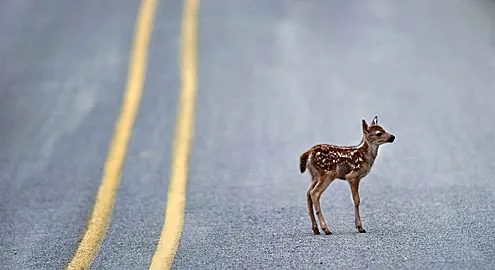
В первую очередь там пытаются отыскать владельца животного. Если авария произошла в сельской местности, логично предположить, что скотина сбежала с ближайшей фермы. В городе — ищут ближайшего ветеринара. Если сбито дикое животное, необходимо уведомить об этом кантональную службу охраны животных и вызвать полицию. Это нужно сделать, даже если зверь скрылся с места происшествия: егеря смогут либо оказать ему помощь, либо прекратить его страдания. Если дикое животное погибло, его следует убрать на обочину. Интересный нюанс: тушу (без шкуры) можно официально выкупить по цене 7 франков за килограмм. А вот самовольно попробовать добычу — это уже браконьерство. Если сбита птица, можно не останавливаться, но стоит сообщить о случившемся пожарным. Если вы подобрали раненую птицу и привезли домой, нужно связаться с Орнитологическим центром.Краткая справка из законодательства
Закон Украины о собственностиРаздел 3 — Право частной собственности
Статья 13. Объекты права частной собственности. К ним относятся жилье, квартиры, личные вещи, дачи, садовые домики, предметы обихода, продуктивный и рабочий скот, земельные участки, насаждения, средства производства, продукция, транспортные средства, деньги, акции и другое имущество потребительского и производственного назначения. Уголовный кодекс Украины
Статья 299. Жестокое обращение с животными
Издевательство над позвоночными животными с применением жестоких методов или из хулиганских побуждений, а также натравливание животных друг на друга из хулиганских или корыстных мотивов — штраф до пятидесяти не облагаемых налогом минимумов доходов граждан или арест до шести месяцев. Те же действия в присутствии малолетнего — штраф до двухсот не облагаемых налогом минимумов доходов граждан или ограничение свободы до двух лет. Кодекс Украины об административных правонарушениях
Статья 89. Жестокое обращение с животными
Жестокое обращение, истязание или другие действия, приведшие к мучению, увечью или гибели животного, — штраф от девяти до двадцати одного не облагаемого налогом минимума доходов граждан. Статья 154. Нарушение правил содержания собак и котов
Содержание собак и котов в запрещенных местах, сверх установленного количества, а также выгул без поводка и намордника (кроме случаев, когда в регистрационном свидетельстве есть соответствующая отметка) или в неположенном месте — предупреждение или штраф для граждан от одного до трех не облагаемых налогом минимумов доходов граждан, для должностных лиц — от трех до пяти. Те же действия, причинившие вред здоровью людей или их имуществу, а также повторное нарушение в течение года — штраф для граждан от трех до пяти не облагаемых налогом минимумов доходов граждан с конфискацией животных, для должностных лиц — от четырех до семи.