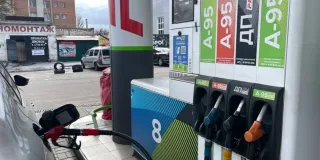
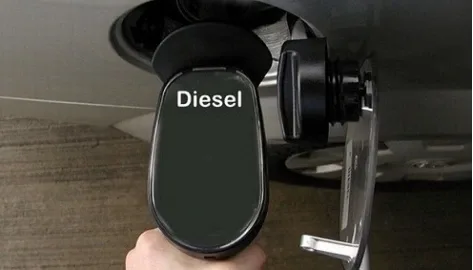
Лето принесло украинскому рынку горючего несколько заметных событий, включая инцидент на подконевском нефтехранилище и появление новой сети Amic Energy, которая раньше работала под брендом «Лукойл». В то же время специалисты говорили о росте объёмов нелегального топлива, которое преимущественно поступает с временно оккупированных территорий на востоке. Последние годы серьёзных претензий к качеству дизеля не возникало, но ситуация изменилась, и эксперты Института потребительских экспертиз решили выяснить, насколько благополучно сейчас обстоят дела с этим видом горючего на заправках страны.
Проверка
Специалисты ИПЭ взяли на исследование дизельное топливо брендовое и без имени в восьми торговых сетях: ANP (Energy), КЛО (Ventus diesel), Socar (Nano ДТ), ОККО (ДП Евро), AMIC (ДП Евро), WOG (Mustang ДТ), Luxwen (ДТ ЕВРО), а также БРСМ Евро и БРСМ ДП. Особое внимание уделили последней — про неё в медиа периодически появлялись заявления о проблемах с продуктом. Лабораторные испытания включали четыре параметра: разгонку по фракциям, температуру вспышки в закрытом тигле, содержание серы и воды.
Фракции
То, как дизель разделяется на фракции, напрямую влияет на работу мотора. Если в составе много лёгких фракций, растёт критическое давление воспламенения смеси, появляются стуки в цилиндрах, а масло в картере разжижается. Тяжёлые фракции, наоборот, сгорают не полностью, из-за чего в камере сгорания копится нагар. Также этот параметр косвенно показывает, насколько топливо испаряется: чем легче фракции, тем быстрее идёт испарение. Для автомобильных дизелей оптимальным считается продукт, который выкипает в интервале от 200 до 360 градусов Цельсия. Чем уже этот диапазон, тем полнее происходит сгорание в двигателе. По данному критерию все участники показали близкие результаты, и ни у кого отклонений не нашли.
Температура вспышки
Следующий важный параметр — температура вспышки, определяемая в закрытом тигле. Он показывает, при какой температуре горючее воспламеняется. Если автомобиль, заправленный топливом с низким порогом воспламенения, попадает в аварию, говорить о безопасности водителя сложно. К тому же этот показатель помогает выявить, не подмешаны ли в солярку посторонние вещества. Наилучший результат продемонстрировал WOG (Mustang ДТ) — 69 градусов при минимальной норме 55. Чуть уступил ему дизель от КЛО, а также высокие цифры зафиксированы у Luxwen.
Сера
Содержание серы — главный экологический индикатор для дизтоплива. Правда, продукты её сгорания наносят вред не только природе, но и самому двигателю. Сера остаётся серой в любое время года. Украинские стандарты разрешают разные уровни серы для разных типов топлива: для вида II (аналог Евро-4) — не более 50 мг/кг, для вида I (аналог Евро-5) — максимум 10 мг/кг. Почти каждый год по этому показателю фиксируются рекорды, как положительные, так и отрицательные. На этот раз итоги порадовали, а местами даже удивили: почти все образцы дотянули до высшего стандарта Евро-5. Лучшими стали пробы WOG — всего 2 мг/кг, на втором месте дизель КЛО — 5 мг/кг.
Выводы
Главный итог этого исследования сводится к следующему: разговоры о повсеместном распространении суррогата среди «тяжёлого» горючего, мягко говоря, оказались преувеличенными. В крупных сетях сейчас продаётся продукт европейских заводов, и его качество очень высокое. Приятно, что и небольшие локальные игроки, например Luxwen, тоже стараются держать планку. А лидеры вроде WOG по-прежнему задают стандарты, на которые равняется весь рынок.