
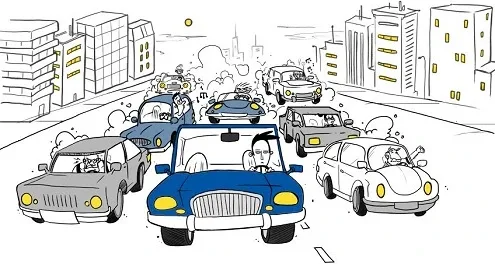
В рамках совместного исследования LSE и Goodyear, посвященного психологическим аспектам безопасности дорожного движения, было выделено несколько моделей взаимодействия водителей с другими участниками дорожного движения. В основе этих моделей лежат методы, при помощи которых водители справляются с собственными чувствами и непредсказуемостью поведения других участников дорожного движения.
Таким образом, в рамках фокус-групп и детальных опросов европейских водителей исследователям удалось выделить 7 водительских психотипов: Данные психотипы проявляются в различных ситуациях, когда водители взаимодействуют между собой в транспортном потоке.
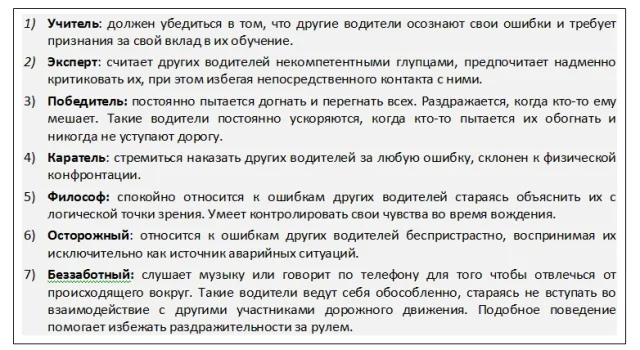
Данные психотипы проявляются в различных ситуациях, когда водители взаимодействуют между собой в транспортном потоке.
«Представьте, что вы комфортно едете в своем автомобиле и вот буквально через секунду вам нужно отреагировать на маневр водителя, внезапно появившегося из-за поворота. Подобные ситуации делают дорожное движение непредсказуемым. Мы можем переживать из-за действий других водителей, однако их поведение также зависит от того, что делам мы, находясь за рулем. Мы склонны к поведению, которое нам самим не нравится. С точки зрения психологии, черты разных водительских психотипов, которые проявляются во время вождения, дают водителям возможность справляться с раздражением и стрессом. Поэтому мы ведем себя по-разному. В зависимости от ситуации и характера взаимодействия с другими водителями, мы можем демонстрировать поведение, характерное для тех или иных водительских психотипов», - поясняет доктор Крис Теннант, ведущий исследователь проекта из LSE.
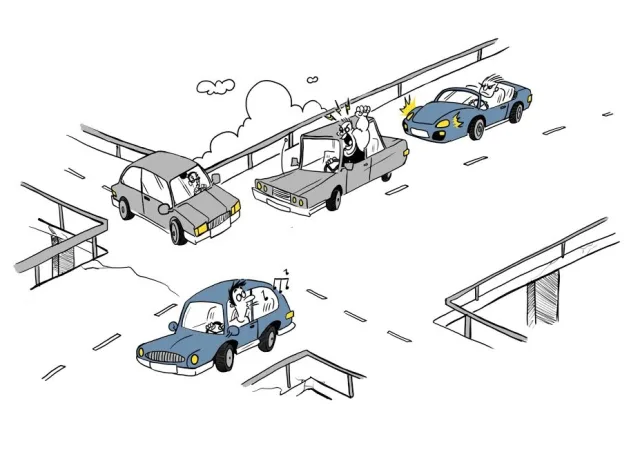
«Большинство из этих моделей поведения являются источником опасных ситуаций на дорогах. Поэтому понимание связей между поведением и ситуациями, которые оно вызывает, является первым шагом на пути к обеспечению безопасности дорожного движения. Помимо правил дорожного движения и законов, которые запрещают агрессивное вождение, постоянное самообразование и систематическое обучение являются наилучшими способами обеспечения безопасности дорожного движения», - подчеркивает Оливье Руссо, вице-президент Goodyear, руководитель подразделения легковых шин в регионе EMEA.
7 психотипов были определены в рамках первой части совместного исследования, в процессе которого удалось детально изучить поведение водителей при помощи фокус-групп и детальных интервью. Данное исследование поможет LSE и Goodyear выяснить, как водители влияют на поведение друг друга во время вождения.
В рамках второй части проекта будет проведено общеевропейское исследование, в котором примут участие водители из 15 стран. Ожидается, что окончательные результаты и анализ данного исследования будут опубликованы в октябре.