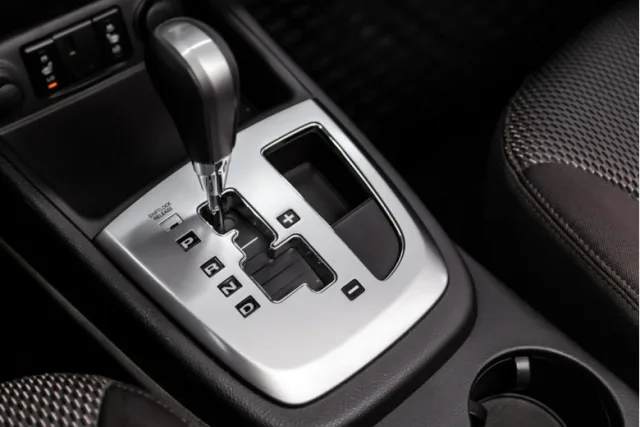
Что такое автоматическая коробка передач
Автоматическая коробка передач - это сложный технический узел, который самостоятельно переключает передачи без участия водителя. В отличие от механической коробки, где водитель вручную выбирает нужную передачу, в «автомате» за всё отвечает электроника и гидравлические системы. Основная задача этой коробки - передавать крутящий момент от двигателя к колесам в оптимальном режиме. Современные автоматические коробки передач могут иметь разное устройство: классический гидротрансформатор, вариатор (CVT) или роботизированную трансмиссию (AMT). Несмотря на конструктивные различия, все они работают по общему принципу: автоматически выбирают передачу в зависимости от скорости автомобиля, положения педали газа и других факторов.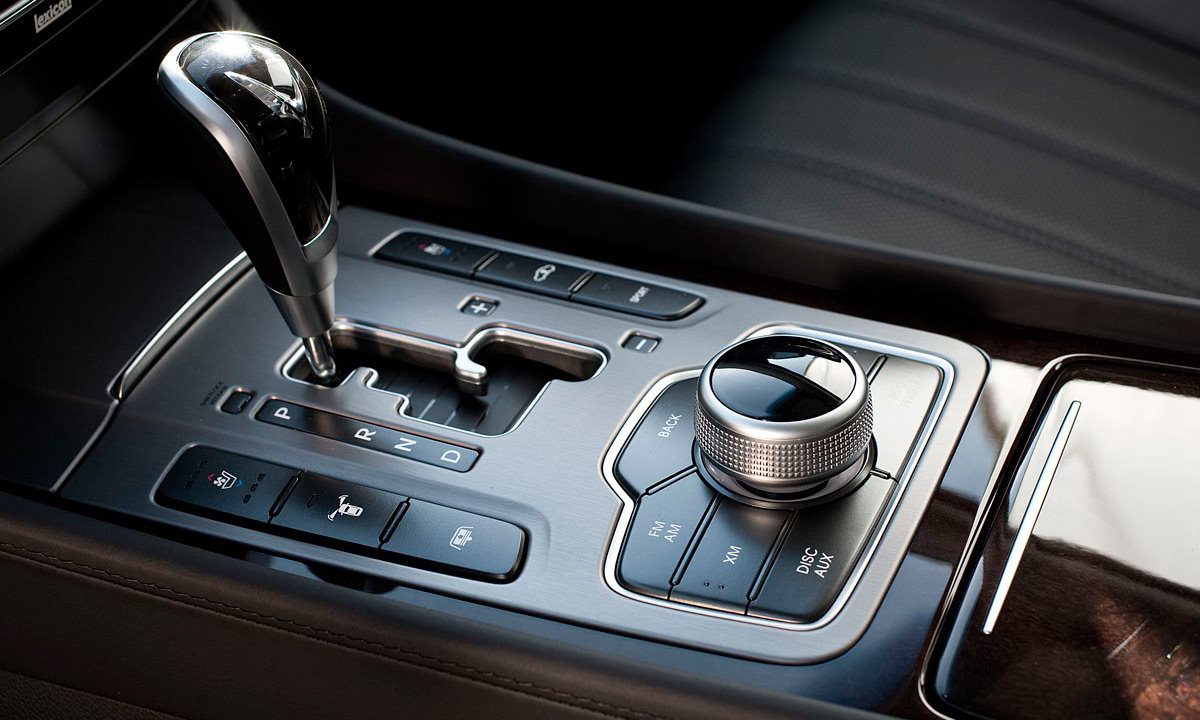
Принцип работы автоматической коробки передач
Чтобы понять, как работает коробка передач автомат, важно разобраться в её основных элементах:- Гидротрансформатор - заменяет сцепление и передаёт крутящий момент от двигателя на коробку;
- Планетарные передачи - отвечают за изменение передаточного числа;
- Гидравлический блок управления - подаёт давление на соответствующие фрикционные элементы;
- Электронный блок управления (ECU) - анализирует сигналы от датчиков и принимает решения о смене передачи.
Когда водитель нажимает на педаль газа, гидротрансформатор начинает передавать момент. В зависимости от нагрузки и скорости, автоматическая коробка передач сама выбирает нужную передачу. Переключения происходят плавно, без рывков, а водитель при этом не задумывается, как работает вся эта сложная система.
Этапы работы «автомата» на практике
Рассмотрим пошагово, как работает коробка автомат при движении автомобиля:- Пуск двигателя - водитель переводит селектор в режим «Drive» (D).
- Начало движения - гидротрансформатор обеспечивает плавный разгон.
- Ускорение - ECU получает сигнал об увеличении скорости и нагрузки, активирует следующую передачу.
- Замедление - при торможении коробка сама снижает передачу, иногда включая торможение двигателем.
- Остановка - «автомат» переходит в нейтральное состояние до следующего старта.

Преимущества и особенности автоматической трансмиссии
Узнав, как работает автоматическая коробка передач, легко понять, почему она так популярна. Вот её главные плюсы:- Простота управления - нет необходимости выжимать сцепление и переключать передачи;
- Плавность хода - переключения происходят практически незаметно;
- Безопасность - водитель может больше сосредоточиться на дороге;
- Снижение усталости в пробках и при долгих поездках.