Что такое трансмиссия в автомобиле простыми словами
Anna Tkach
AutoPortal editorial team
564 views
2 min read
Трансмиссия - что это такое?
Трансмиссия в автомобиле - это система узлов, которая передаёт крутящий момент от двигателя к ведущим колесам. Проще говоря, трансмиссия помогает машине двигаться: она соединяет мотор и колёса, обеспечивая передачу энергии в нужный момент и в нужной силе. Когда водитель нажимает на педаль газа, двигатель начинает работать, но без трансмиссии машина не поедет - колёса не смогут получить вращение. Именно трансмиссия обеспечивает правильную передачу мощности и регулировку скорости. Таким образом, трансмиссия - что это - это мост между мотором и дорогой, позволяющий эффективно использовать силу двигателя.
Что входит в трансмиссию автомобиля
В состав трансмиссии входят несколько компонентов. В зависимости от типа привода (передний, задний или полный), эти элементы могут немного отличаться, но в целом система включает:
Сцепление (или гидротрансформатор в автомате)
Коробку передач (механическую, автоматическую, вариатор или робот)
Карданный вал или приводные валы
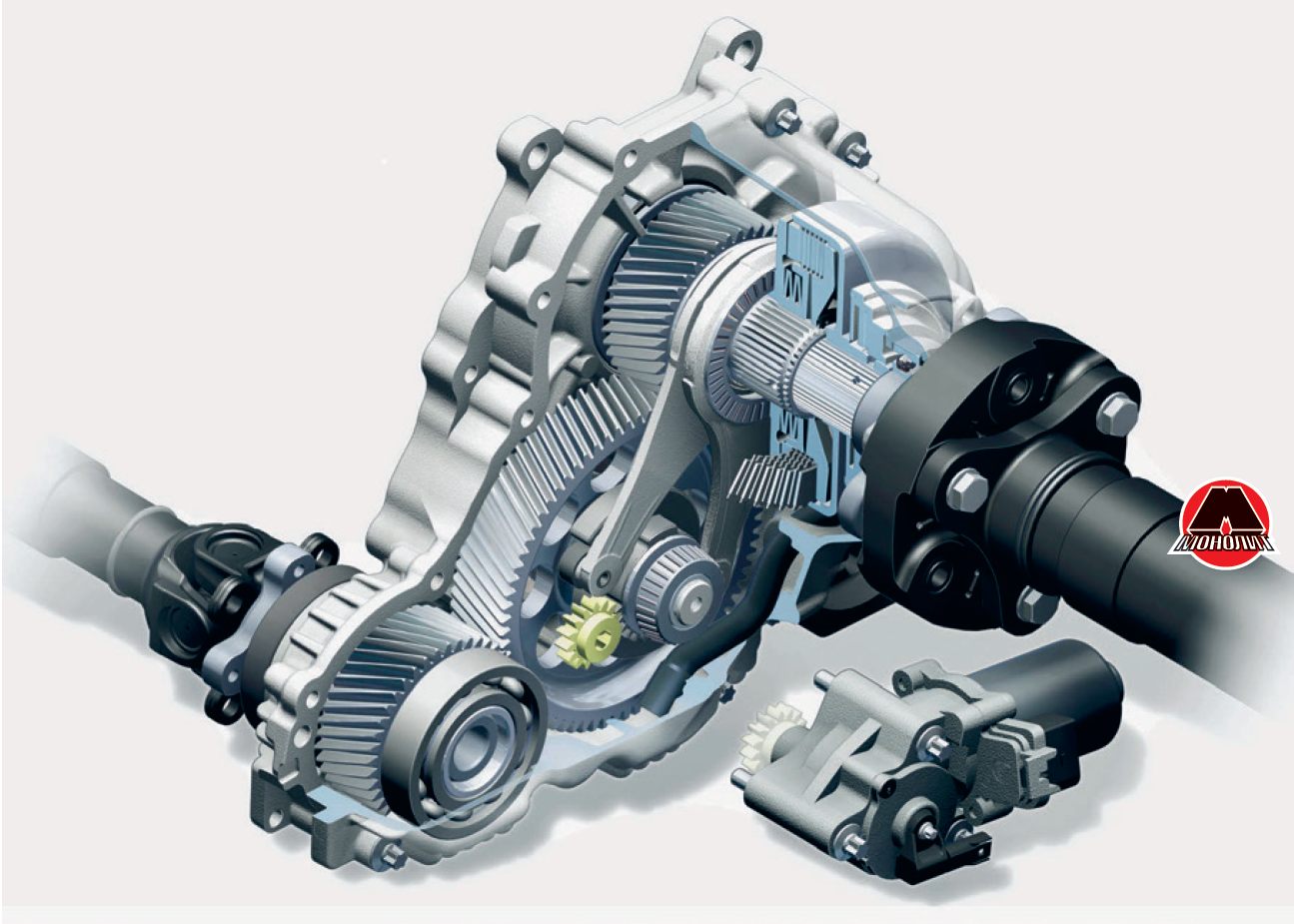
Главную передачу
Дифференциал
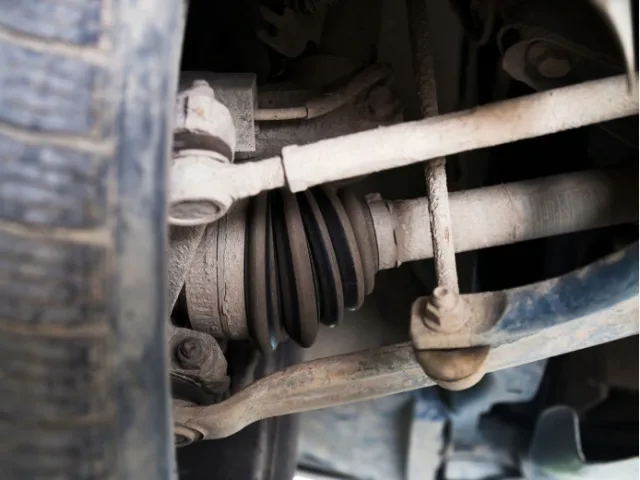
Полуоси
Все эти элементы работают синхронно, обеспечивая движение автомобиля. Именно благодаря трансмиссии авто может ехать на разных скоростях, набирать мощность при обгоне или медленно двигаться в пробке.
Что такое автоматическая трансмиссия
Особое внимание заслуживает автоматическая трансмиссия - один из самых популярных вариантов в современных машинах. В отличие от механики, водитель не переключает передачи вручную. Система сама выбирает нужную передачу в зависимости от скорости и нагрузки. Это удобно, особенно в городском цикле. Существуют несколько типов автоматических трансмиссий:
Классический «автомат» (гидротрансформатор)
Роботизированная коробка (робот)
Вариатор (CVT)
Каждый тип имеет свои плюсы и минусы, но цель у всех одна - сделать управление автомобилем проще и комфортнее.
Как работает трансмиссия в машине
Работа трансмиссии начинается сразу после запуска двигателя. Как только водитель включает передачу (в механике) или просто нажимает на газ (в автомате), начинается передача крутящего момента. Коробка передач подбирает нужное соотношение, обеспечивая оптимальную скорость вращения колёс. Дифференциал позволяет колесам вращаться с разной скоростью, что особенно важно при поворотах. Что такое трансмиссия в машине, проще всего представить на примере велосипеда с передачами: мотор - это ваши ноги, а трансмиссия - система звёздочек и цепей, которая подбирает оптимальное усилие.
Почему важно следить за трансмиссией
Проблемы с трансмиссией могут проявляться по-разному: рывки при переключении, шум, утечка масла, запах гари. Чтобы продлить срок службы этой важной части автомобиля, необходимо регулярно менять масло в коробке, не перегревать трансмиссию и избегать агрессивного вождения.Теперь вы знаете, что такое трансмиссия автомобиля, что это и как она работает. Это не просто набор деталей, а важнейшая система, которая соединяет двигатель и колёса, обеспечивая движение машины. Независимо от того, механическая у вас коробка или автоматическая трансмиссия, бережное отношение и регулярное обслуживание помогут избежать дорогостоящего ремонта и сохранить комфорт при вождении.