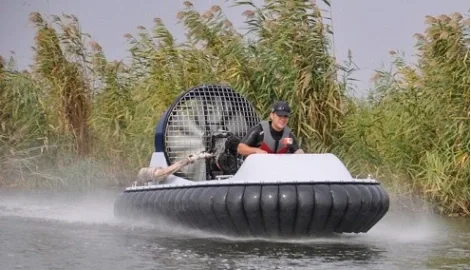
СВП - судно, приподнимающееся над поверхностью воды нагнетаемым под днище воздухом. Конструкция предложена в 1716-м году шведским ученым Э. Сведенборгом. С середины 20-го века подобные «лодки» используются ВМФ в спасательных операциях.
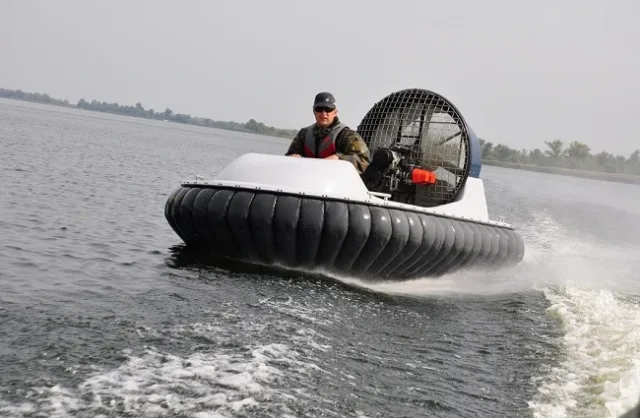
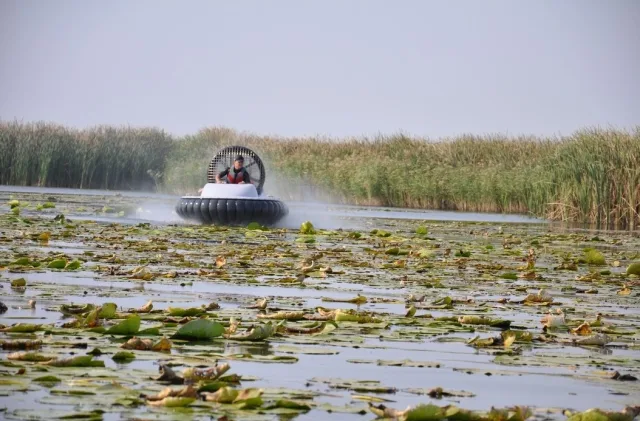
На примере СВП украинского производства мы решили подробнее рассказать об этом транспорте. Во многих странах такие суда используют для перевозки людей по мелководью, где авто не проедет, да и лодка не пройдет. В основном - для рыбалки, охоты, доставки грузов и людей, когда по пути чередуются разные типы поверхности и на машине невозможно их преодолеть. Благодаря мультифункциональности таких средств они пришлись по душе и военным, и рыбакам, и просто любителям активного отдыха.
Принцип работы
Воздушная подушка позволяет судну приподнимать его над поверхностью воды или земли. Чем выше - тем меньше обладатель такого средства может задумываться о поверхности под ним.
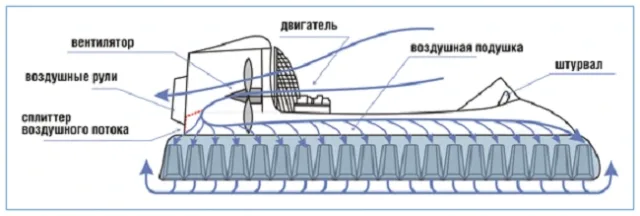
Существует три типа СВП:
- Амфибийные. Могут отрываться от поверхности во время движения, благодаря гибкому ограждению воздушной подушки и наличию воздушных винтов.
- Неамфибийные. Ограждение - жесткое, поэтому исключены выезды на берег, только по воде.
- Смешанного типа. Имеет воздушный винт, но вместо гибкого ограждения установлены надувные баллоны.
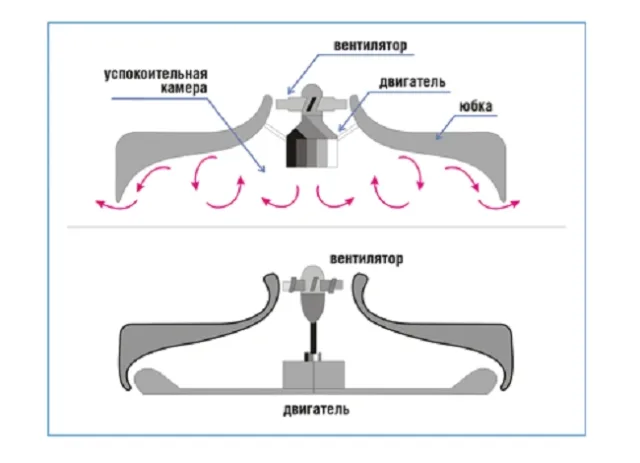
Для создания движущей силы в СВП зачастую используют воздушные винты, который в свою очередь приводится в движение двигателем. Винты располагаются в кормовой часть суден. Что касается надувания подушки - есть несколько способов, но самый простой и поэтому распространенный - камерный. В этом случае воздух, нагнетаемый вентилятором под куполообразное днище, свободно вытекает по его периметру. Чем больше подача воздуха, тем выше поднимается судно.
На что способен катер на воздушной подушке
Перед вами - катер на воздушной подушке "Tornado". Что примечательно, украинского производства. Проектированием и строительством таких транспортных средств занимается небольшая копания из Николаева.
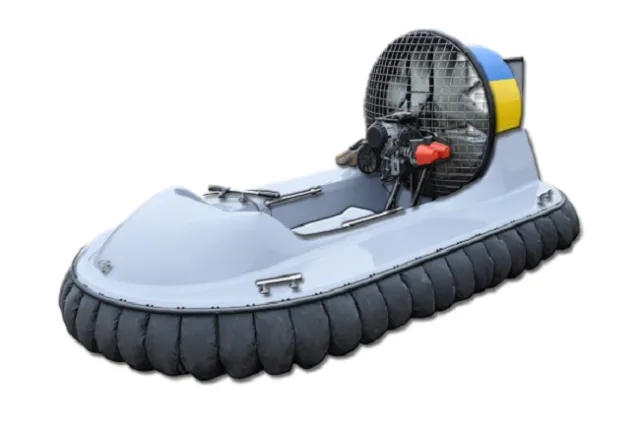
Есть две модели под названием Tornado F-50, которые различаются только силовыми установками. Буква R в названии означает российский двигатель мощностью 52 силы, а приставка I предусматривает наличие двигателя итальянского производства мощностью 54 лошадиные силы. Управлять таким катером сможет любой, кто хоть раз ездил на мотоциклах или гидроциклах.
Как проходил ознакомительный тест украинского СВП:
Что касается цены, в зависимости от комплектации Tornado F-50 обойдется как минимум в 17 тысяч долларов. В принципе это дешевле вместе взятых снегохода, лодки и гидроцикла... да и в час пик с Левого на Правый берег столицы можно запросто переплыть. С другой стороны, для этих и других целей вполне сойдет и БРДМ. Читайте наш материал о том, сколько стоят БРДМы и БТРы в Украине.