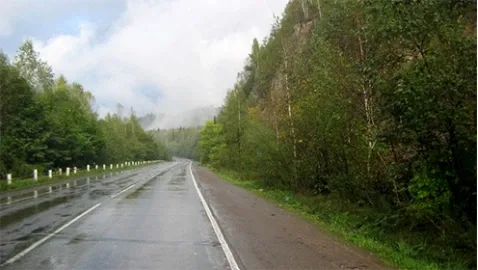
Мы посчитали, что не лишним будет напомнить основные правила поведения на загородных трассах, и в этом нам помогут эксперты автошколы "Карат".
ПДД
Прежде всего стоит сказать о том, что безопасность движения, правила поведения и соблюдение ПДД остаются неизменными для водителей на любой дороге. С чем сталкиваются водители, покидая "суету городов и потоки машин"? Это отсутствие СТО, экстренной связи и медицинского обслуживания. Да и состояние загородных трасс, даже по сравнению с городским асфальтом, оставляет желать лучшего. Исходя из этого, наличие аптечки, буксирного троса, ремкомплекта очень и очень желательны.
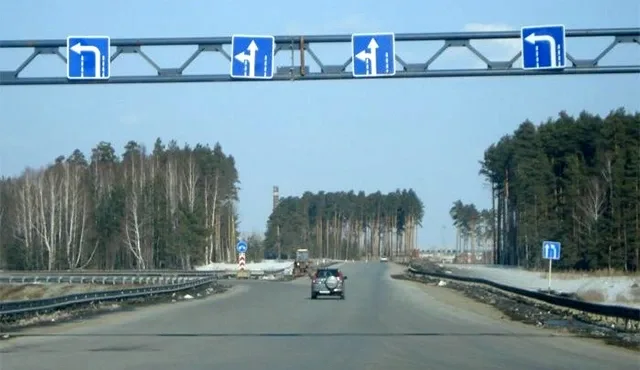
Теперь что касается Правил дорожного движения. Необходимо помнить о действии ПДД вне населённого пункта. Это и повышенная скорость движения (90-110 км/ч), запрет остановки (стоянки) на проезжей части и на правой стороне дорог для автомобилей и магистралей (кроме специально отведенных мест), изменение скоростного режима при проезде населённых пунктов обозначенных на дорожных знаках белого фона. Особое внимание стоит обратить на недавно введенный знак 5.63.1 «Начало плотной застройки», после проезда которого водитель должен двигаться со скоростью не более 60 км/ч.
Состояние дорог в сельской местности, как уже говорилось, оставляет желать лучшего. Зачастую это улучшенные грунтовые дороги с полным отсутствием разметки. При отсутствии пешеходных переходов следует быть готовым к тому, что пешеходы могут появиться в любом месте дороги. Как правило, их появление является полной неожиданностью, так как калитки частных домовладений нередко подступают вплотную к проезжей части. Так что бдительность не стоит терять ни на минуту. Стоит отметить ещё такой момент. Некоторые водители, учитывая отсутствие инспекторов ГАИ, игнорируют пользования ремнями безопасности. Поэтому на этих дорогах частыми бывают случаи травматизма.
Движение по "пересеченной местности"
Особая радость ждет тех, кому необходимо пересечь участок дороги, проходящий по низменной либо заболоченной местности. Ведь после дождя такие дороги превращаются в сплошное "болото", авто может оказаться в яме с водой или застрять в грязевой ловушке. Следует быть готовым к тому, что выбираться оттуда придется своими силами. А ведь это не всегда возможно.
Так что если вам попался участок дороги с "подозрительным" покрытием, следует провести предварительную разведку, иными словами просто пройти пешком и осмотреть дорогу. Настоятельно рекомендуем возить с собой "походный" набор автолюбителя. Это как минимум: домкрат, трос, лопата, а также несколько небольших досок, которые можно подложить под колеса.
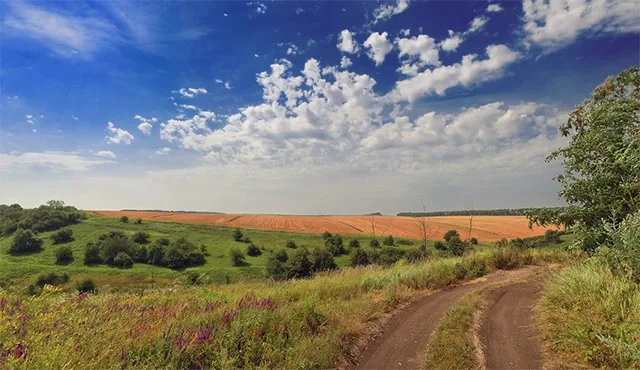
Движение по заболоченным участкам должно быть равномерным, осуществляться на небольшой скорости, а останавливаться нужно только по необходимости. Накатанная колея на такой дороге может как помогать водителю, так и мешать. Перед заездом на такие дороги можно снизить давление в шинах, что увеличит пятно контакта с поверхностью и, соответственно, уменьшит давление на грунт.
Зачастую на грунтовых и близких к ним по "классу" других дорогах, существуют "самострои" - самодельные мостки, насыпи, забросанные чем попало ямы, которые желательно досконально просмотреть и прощупать собственными ногами. Движение по таким дорогам требует от водителя повышенного внимания, бдительности, осторожности, психологического напряжения. Поэтому не стоит пренебрегать периодами частого и продолжительного отдыха.
Темное время суток
Следует помнить о том, что за городом вам придется в темное время суток ездить по неосвещенным дорогам. Напряжение зрения, встречный свет фар (зачастую дальнего света) - это факторы, которые влияют на самочувствие водителя и его концентрацию. По статистике, в темное время суток происходит половина ДТП, это при том, что количество автомобилей на дорогах, в это время снижается на порядок.
В темное время суток человеческий глаз перестает различать множество цветовых оттенков, которые он различает днем. Как следствие, автомобиль красно цвета, отлично различаемый днем в условиях ночи будет темны, соответственно видимость его существенно ухудшится. Так что включайте габаритные огни ещё в сумерках. При этом не стоит забывать о том, что человек в темное время также плохо различим на дороге, и что бы уберечься от неприятностей водителю стоит носить жилет со светоотражающими полосками.
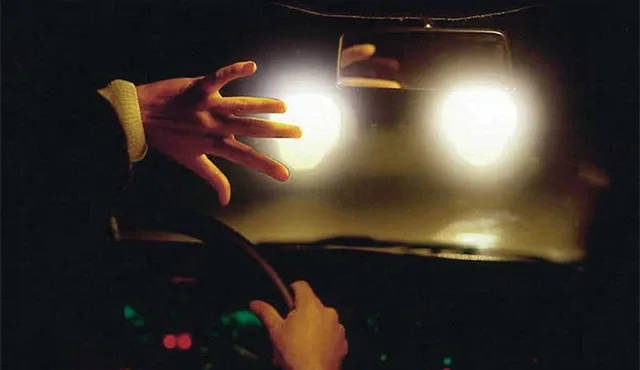
Не забывайте выключать дальний свет (особенно если у вас ксенон и т.п.) при разъезде со встречными автомобилями. Переходить на ближний свет нужно не менее чем за 250 метров до встречного авто. Если вы видите, что водитель, едущий вам навстречу забыл выключить дальний, - закройте один глаз, а после разъезда откройте, это поможет вам намного быстрее адаптироваться к резко наступившей темноте.
И ещё одни цифры. При скорости 70 км/ч зона видимости дороги (при нормальных метеоусловиях) составляет примерно 60 м, тормозной путь на такой скорости при езде по сухому асфальту - 50 м. Из этого можно сделать вывод, что 70 км/час является безопасной скоростью при движении с включенным ближним светом.
Правильная загрузка автомобиля
Теперь поговорим немного о правильной загрузке автомобиля. Тяжелые вещи необходимо положить на дно багажника, вещи находящиеся в салоне или в багажнике (в случае если у вас кузов типа универсал) необходимо закрепить. Также ничто не должно мешать водителю управлять авто. При наличии верхнего багажника (бокса) необходимо учитывать перемещение центра тяжести вверх, что уменьшает устойчивость авто.
Больше о том, куда летят вещи и предметы при ДТП, смотрите в этом видео:
Советы водителю
- Перед выездом проверить техническое состояние авто. Давление в шинах, действие тормозной системы, качественный протектор шин.
- Обязательно возите с собой ремкомплект, аптечку, лопату, трос и т.п.
- Изучайте маршрут движения, правила ориентирования на полевых и лесных дорогах. Основное правило туриста – умей вовремя вернуться, не торопись, составь график движения, если понадобиться схему маршрута.
- Соблюдайте скорость движения, укрепите груз, не берите лишнего – только необходимое.
А также помните 10 народных правил поведения на дороге: