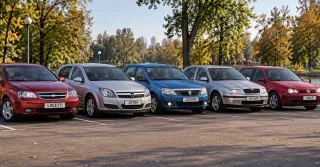
Итак, Законом предусмотрена бесплатная мобилизации транспортных средств как юридических, так и физических лиц для нужд Вооружённых Сил Украины без введения военного или чрезвычайного положения на основании решений местных государственных администрации в соответствии с запросами военкоматов.
Что нужно знать о мобилизации автомобилей для нужд армии, АвтоПортал поинтересовался у юристов «Safir Consulting Group».
АвтоПортал: Как рассказывают сами киевляне, в основном мобилизуют микроавтобусы, внедорожники и грузовики. Говорят, что военкоматы часто неправильно составляют акт передачи и не хотят проводить оценку авто. Что Вы посоветуете делать в таких случаях? Привлекать юристов?
Мобилизация в первую очередь микроавтобусов, внедорожников и грузовиков вполне объяснима с логической точки зрения, так как именно эти ТС наиболее востребованы ввиду необходимости перевозки людей, хозяйственного инвентаря или иного груза.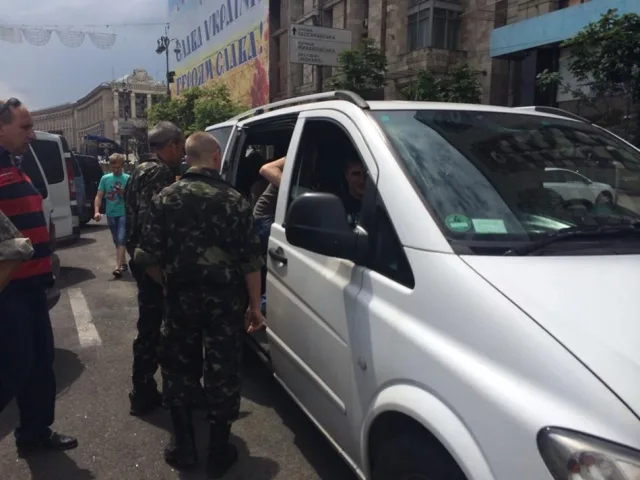
При этом, не обошлось без недочётов, одним из которых стал неразрешённый вопрос о том, какие именно типы и марки ТС могут быть мобилизованы. Если быть точнее, то этот вопрос должен разрешаться на местном уровне согласно решению местных госадминистраций в соответствии с Мобилизационным планом Украины. Однако на сегодняшний день соответствующих распоряжений местными органами так и не принято, что даёт право военным комиссариатам изымать любые ТС. При этом, приём-передача ТС, изымаемых для нужд Вооружённых Сил Украины, также как и их возврат осуществляются на основании актов приёма-передачи, в которых должна быть указана информация о владельцах, техническое состояние и стоимость автомобиля.
АвтоПортал: Что нужно знать при оформлении актов, и как сделать, чтобы оценка авто было проведена правильно?
На сегодняшний день оценка авто может быть произведена согласно Порядка определения среднерыночной стоимости легковых автомобилей, мотоциклов, мопедов, утверждённому постановлением КМУ от 10.04.2013 г. № 403, либо Порядка проведения оценки для целей налогообложения и начисления и уплаты других обязательных платежей, которые взымаются в соответствии с законодательством, утверждённому постановлением КМУ от 04.03.2013 г. № 231. Однако ни одним из вышеуказанных порядков не предусмотрено произведение оценки ТС для целей мобилизации. В то же время, механизма проведения оценки для последующей мобилизации ТС не предусмотрено и самим Законом.
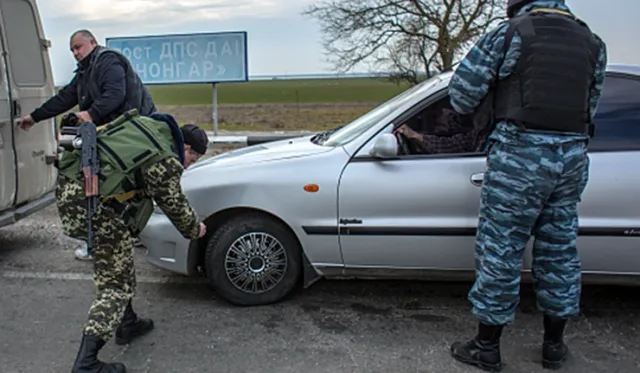
В итоге, остаётся неясным кто и на каких условиях должен производить подобную оценку.
Кроме этого, Закон умалчивает о каком-либо порядке эксплуатации мобилизованных ТС, что в буквальном смысле «развязывает руки» силовикам использовать те или иные авто на своё усмотрение.
АвтоПортал: Главный вопрос, который волнует большинство автовладельцев, заключается в следующем: а можно ли уклониться от изъятия ТС в целях мобилизации?
Как уже указывалось выше, изъятие ТС сопровождается подписанием акта приёма-передачи. В то же время, механизма, который бы заставил автовладельца подписать данный документ, Законом не предусмотрено. Так же законодательством не предусмотрена ответственность за отказ от передачи своего ТС, что в действительности означает возможность для автовладельца попросту не передавать свой ТС для нужд армии.
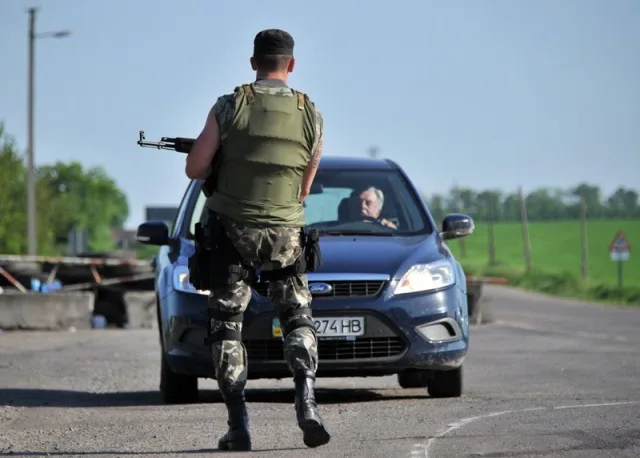
Кроме того, решение военкомата об изъятии ТС всегда можно оспорить в судебном порядке на том основании, что данное ТС является, к примеру, средством заработка для его владельца. К примеру, если владелец авто является таксистом и его доход зависит от наличия и, соответственно, пользования ТС; или же если автовладелец зарегистрирован как физическое лицо-предприниматель и его основным видом деятельности является предоставление услуг по грузоперевозкам, для чего ему необходимо его ТС.
АвтоПортал: Как быть юрлицам? Могут ли они отказать в предоставлении авто на законных основаниях, и как это сделать? Ведь нередко призывают дорогие машины, которые еще и переоборудуют.
Если говорить о юрлицах, под описание вышеизложенной ситуации подпадают многочисленные службы такси, доставки, турагенства и многие другие.
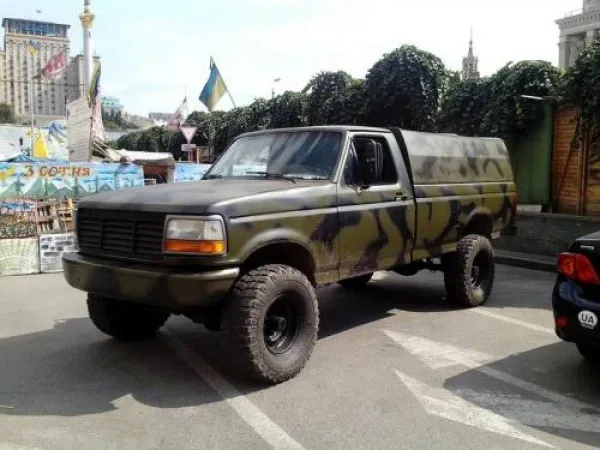
В добавок до вышеизложенного можно сказать, что изъять ТС, которое «не на ходу» будет практически невозможным, так как соответственно возникнут проблемы с его транспортировкой…
АвтоПортал: Как происходит компенсация убытков, что нужно знать о возмещении, и как сделать так, чтобы оно было адекватным реальной стоимости авто?
Говоря о возмещении убытков, можно указать на два основных аспекта.
Первый из них касается возмещения убытков, причинённых повреждением ТС, путём выплаты страхового возмещения. Но это касается только тех случаев, когда в договоре КАСКО, были предусмотрены соответствующие положения, а проще говоря, если ТС было застраховано от повреждений вследствие вооружённых конфликтов, военных действий и т.д. Однако, таких случаев немного.
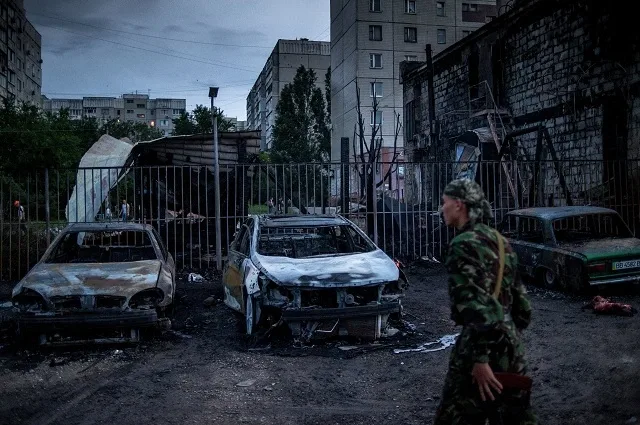
В остальных случаях возмещение убытков должно осуществляться согласно Порядка компенсации вреда, причинённого ТС вследствие их привлечения во время мобилизации, который должен быть определён Кабинетом Министров Украины. Подобное положение с указанием на обязанность КМУ принять соответствующее постановление содержит Закон. Однако на сегодняшний день такой порядок не был утверждён правительством. Что по этому поводу нам говорят общие нормы гражданского законодательства Украины?
Итак, согласно ст. 1166 ГК Украины вред, причинённый имуществу физического или юридического лица, возмещается в полном объёме лицом, которое его причинило. Эта же статья предусматривает, что лицо, которое причинило вред, освобождается от его возмещения, если докажет, что вред был причинён не по его вине. Ввиду данных положений законодательства автовладельцу будет очень сложно что-либо доказать в судебном порядке.
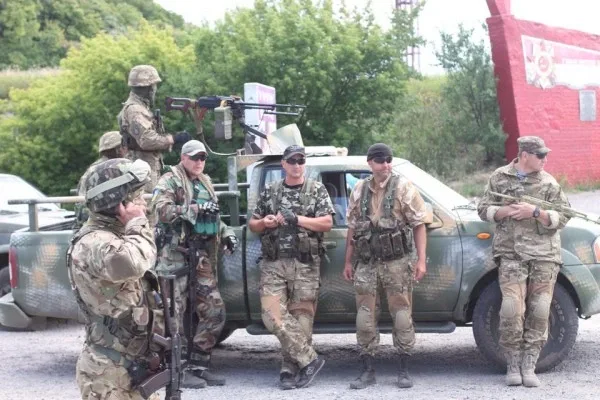
В связи с вышеизложенным, говорить о реальной компенсации материально вреда достаточно сложно…
Выводы
Если упустить из виду патриотические настроения, отклониться от мобилизации транспортного средства можно путем его приведения в нерабочее состояние. Что касается получения компенсации в случае мобилизации, не стоит верить в обещания по одной лишь причине – в законе четко не прописано, каким образом это должно быть. Резюмируя, остается сказать, что закон о мобилизации ТС не совершенен и имеет «дыры». Правда, при этом он позволяет мобилизировать для нужд армии все что угодно – даже Роллс-Ройс…