Большая компания, много вещей – и в результате нагрузка на шины значительно увеличивается. Простая проверка и регулировка давления в шинах помогут избежать многих неожиданных ситуаций.
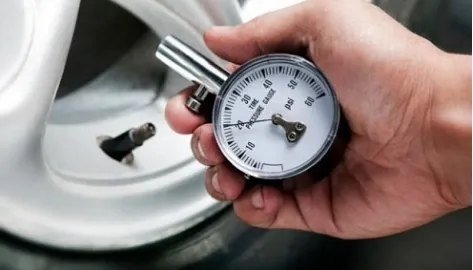
Шина и колесный диск работают, как одно целое, тем не менее, их слаженное взаимодействие не может на 100% обеспечить удержание воздуха внутри покрышки. Поэтому технический директор Nokian Tyres Матти Морри рекомендует водителям раз в три недели проверять давление в шинах.
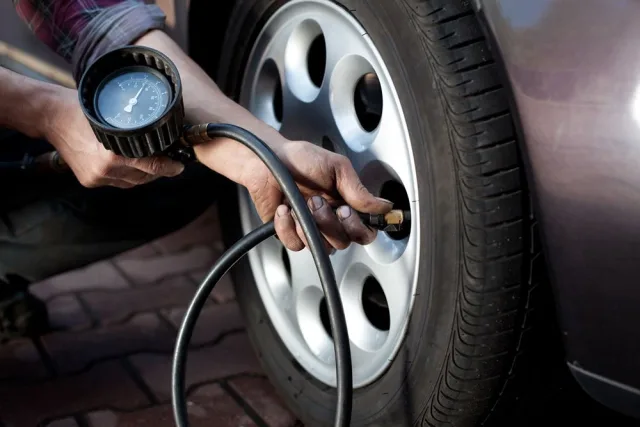
«Если давление слишком низкое, шина будто становится тяжелее и для движения автомобилю нужно больше топлива. Разница в расходе топлива из-за давления в шинах особенно хорошо видна в чеке с заправки. И эта разница точно стоит того, чтобы подкачать колеса перед поездкой, ведь это абсолютно бесплатно», – напоминает Матти Морри.
Правильно накачанная шина будет катиться лучше на 10%. Другими словами, это пол-литра топлива на сто километров пути. И уж если предстоит длительная поездка, то проверка давления в шинах просто обязательна. Давление в шине важно и с точки зрения безопасности – это настоящий страховой полис, только бесплатный. Если давление в шине недостаточное, автомобиль теряет маневренность, а на дороге случаются ситуации, когда дело решают доли секунды. Недостаточное давление в шине также увеличивает дистанцию тормозного пути.
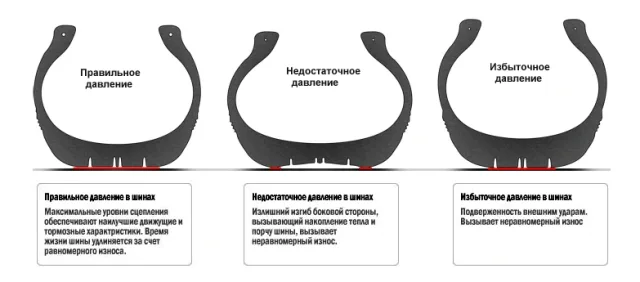
Согласно данным немецкой автомобильной ассоциации ADAC, уменьшение давления только в передних шинах на 1 бар (100 kPa) ниже рекомендованного увеличивает тормозной путь автомобиля на мокрой поверхности на 10 метров. При таком же снижении давления во всех четырех шинах тормозной путь автомобиля увеличится еще вполовину.
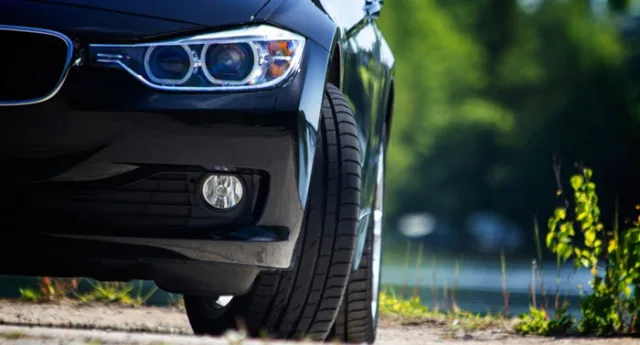
«Давление в шинах также влияет на срок их эксплуатации. Если давление на 20% ниже рекомендованного, срок службы шины уменьшится на одну пятую. А если давление будет ниже на 30%, то шина прослужит вполовину меньше, чем могла бы», – напоминает Матти Морри.
Особое внимание давлению стоит уделять владельцам микроавтобусов и фургонов, шины которых нужно накачивать в два раза больше, чем на легковых автомобилях. Транспортировка тяжелых грузов требует увеличения давления. Для микроавтобусов и коммерческих автомобилей давление составляет примерно 4-5.5 бар (400-550 kPa). 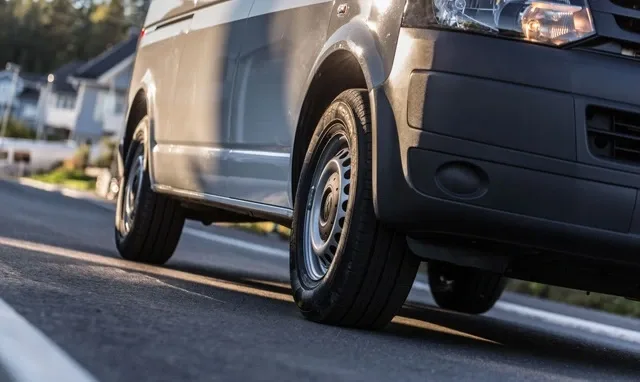
Давление в шинах имеет важное значение для безопасного и комфортного вождения. Если уровень давления соответствует рекомендованному производителем, срок службы шин увеличивается, при этом сопротивление качению и расход топлива уменьшаются. Одновременно снижается выброс выхлопных газов. В свою очередь, при недостаточном давлении в шинах ухудшается управляемость автомобиля.
Как давление шинах помогает экономить, смотреть наш видео-эксперимент: