
Конечно, они могут посмотреть рейтинг на нашем сайте. Здесь можно выбрать период, за который будет рассчитываться статистика. Но не всех устраивает сухая информация в таблице, есть желание получить краткую характеристику каждой модели и соответственно понять по каким параметрам покупатели отдают предпочтения каждой из них. Именно по этой причине мы решили начать публиковать цикл статей, где кратко проанализируем самые популярные на нашем рынке автомобили.
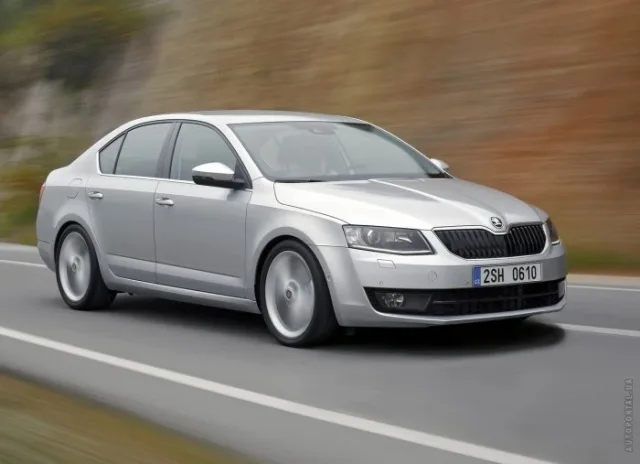
Цикл наших статей мы начнем с конца ТОП-10 самых продаваемых машин за первые полгода. Здесь мы не привязываемся ни к классу, ни к типу кузова. Замыкает список Skoda Octavia, которая несмотря на нестабильность в стране и падение покупательской способности, по-прежнему является бестселлером.
Краткая справка:
Skoda Octavia - модель С-класса, которую чешский автопроизводитель выпускал дважды: с 1959 по 1971 годы и с 1996 года по настоящее время. Название этого автомобиля означает «восемь» - так как он стал восьмой легковой моделью в истории чешской компании. Современная Skoda Octavia выпускается уже в двух поколениях.
Первое поколение, сошедшее с конвейера в 1996 году, производилось в двух кузовных модификациях: лифтбек и универсал. Автомобиль выпускался на переднеприводной платформе Volkswagen Group PQ34, на которой также производилась модель Volkswagen Jetta. В 2000 году семейство Octavia пережило рестайлинг: обновились не только экстерьер и интерьер модели, но и ее техническая «начинка».
Второе поколение Skoda Octavia было официально представлено в 2004 году. Обе кузовные модификации получили новую «внешность», улучшенную конструкцию и дизайн интерьера, усовершенствованные двигатели и трансмиссии. Модель базируется на новой платформе Volkswagen Group PQ35. В 2007 году Skoda представила «внедорожный» вариант универсала Octavia Scout, который отличался от стандартного наличием полного привода, увеличенным дорожным просветом, пластиковыми накладками на бамперах и по периметру кузова.
В 2008 году все модификации Skoda Octavia были подвержены рестайлингу, и в обновленном виде модель предстала на Парижском автосалоне. В настоящее время модель оснащается широкой линейкой бензиновых (объемом от 1.2 до 2.0 литра, есть версии с турбонаддувом) и дизельных (объемом от 1.6 до 2.0 литра) двигателей. В паре с ними работают несколько типов трансмиссий: пяти- и шестиступенчатая механические, шестискоростная автоматическая (с функцией ручного переключения), а также шести- и семидиапазонная роботизированная механические с двумя сцеплениями. Привод автомобиля - передний (полный у Octavia Scout).
Несмотря на то, что Октавия построена на платформе Гольф, она имеет более крупные размеры как внешне, так и изнутри. Автомобиль среди Украинских потребителей имеет славу надежного, неприхотливого и недорогого в обслуживании. Некоторые потребители рассматривают его как бюджетную альтернативу модели Фольксваген Пассат.
Вывод: Skoda Octavia выбор в большей мере потребителя, который имеет желание приобрести относительно крупный автомобиль, с хорошей историей, легендарной надежностью и меньшей стоимостью по сравнению с прямыми конкурентами.
По вопросам приобретения автомобиля Skoda Octavia и дальнейшего его обслуживания можно обращаться в компанию ООО «Автоцентр Киев».
На 9-м месте удерживает позицию одна из самых массовых моделей всемирного рынка - Toyota Corolla
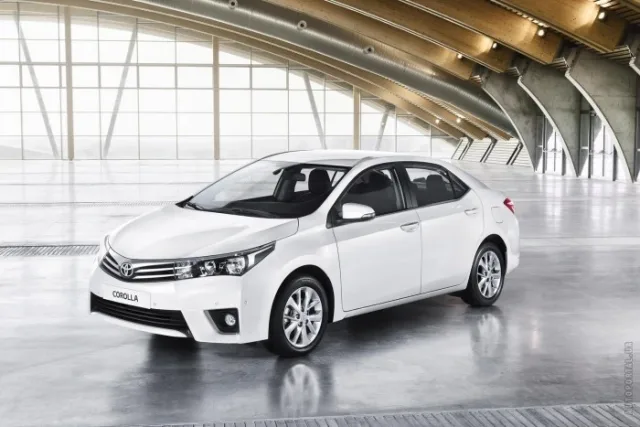
Toyota Corolla - одна из моделей «коронного» семейства японской компании, которая впервые была представлена в 1966 году. Название Corolla переводится с латинского языка как «малая корона». Такого имени этот автомобиль С-класса удостоился из-за своих компактных габаритов, так как в «коронном» семействе Toyota уже были модели Crown, Corona, а позже и Camry, превосходившие Corolla по габаритам.
Toyota Corolla в 1997 году стала самым продаваемым автомобилем в мире, затмив прежний бестселлер Volkswagen Beetle, и получила звание «Европейский автомобиль года». Всего к 2012 году Toyota продала более 39 миллионов экземпляров Corolla во всех кузовных модификациях (их было пять: седан, трех - и пятидверный хэтчбеки, универсал и лифтбек). В настоящее время модель производится в одиннадцатом поколении (Е160), которое было официально презентовано в 2010 году в рамках международного автосалона в Лос-Анджелесе.
Первые четыре генерации модели были построены на заднеприводной платформе. Начиная с 1984 года, Corolla стала производиться на платформах с передним и опционально доступным полным приводом. Постепенно японский автопроизводитель снимал с производства некоторые кузовные модификации Corolla, либо выделял их в самостоятельные модели (так, в 2006 году Corolla в кузове хэтчбек превратилась в Auris). Выпуск модели, помимо Японии, налажен в Бразилии, Канаде, Китае, Турции, Индии, Индонезии, Малайзии, Пакистане, Филиппинах, Южной Африке, Тайване, Таиланде и Венесуэле. Некоторые кузовные модификации производились в Великобритании (универсал, лифтбек).
В Украину в настоящее время поставляется десятое поколение модели. Официальные поставки автомобиля начались в 2011 году. Автомобиль производится в кузове седан на переднеприводной платформе Е150 (для других рынков также доступен универсал). Оснащается Toyota Corolla двумя бензиновыми двигателями объемом 1.33 (бюджетная модификация Corolla City) и 1.6 литра. В паре с силовыми установками работают шестидиапазонная механическая и четырехскоростная автоматическая трансмиссии.
Toyota Corolla поистине легендарная модель. О ее надежности ходят легенды. Это не всегда соответствует действительности, но в большинстве своем правда. Если вам повстречался владелец Королла жалующийся на поломки, то скорее всего он просто не следит за своим автомобилем и не проводит своевременное техническое обслуживание. При всей своей легендарности модель достаточно аскетична внутри. Аскетична с точки зрения дизайна, но не оснащения и возможностей.
Вывод: Автомобиль для покупателя, который жаждет приобрести автомобиль не просто с именем, но имеющим долгую историю. Причем ищет он не престижную премиум машину, а настоящую рабочую лошадку.
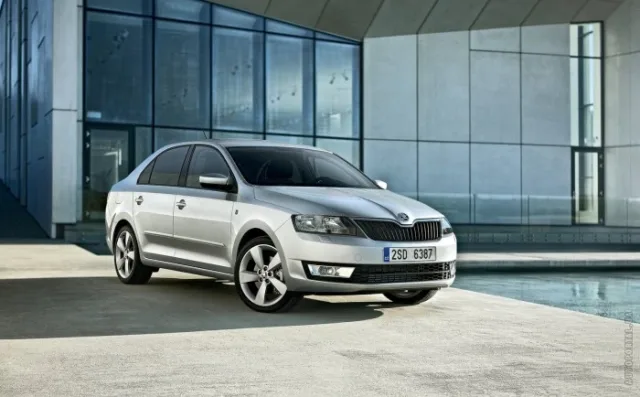
На 8-м месте находится настоящий европейский автомобиль Skoda Rapid. Фактически эта машина полный аналог Фольксваген Поло.
Краткая справка:
Skoda Rapid - производное от английского Rapid - «быстрый», «стремительный»), воплощены две концептуальные идеи: скорость, как двигатель прогресса марки и стремительность силуэта кузова автомобиля. Автомобиль построен на базе концепт-кара Mission L, презентация которого состоялась в сентябре 2011 года на Франкфуртском автосалоне. Пятидверный лифтбек представляет собой воплощение новой стилистики чешского бренда. Это совершенно новая концепция, ведь для Skoda имя Rapid не новое - так назывались модели, которые чешский автопроизводитель выпускал с 1935 по 1947 годы и с 1984 по 1990 годы включительно.
Официальная премьера Skoda Rapid состоялась на Парижском автосалоне в сентябре 2012 года. Автомобиль построен на модифицированной (с удлиненной колесной базой, увеличенными габаритами кузова) платформе, на которой построено шестое поколение Volkswagen Polo. Помимо кузовной модификации лифтбек, руководство компании намерено наладить выпуск Skoda Rapid в кузове хэтчбек. Также не отвергают в Skoda идею создания на базе Rapid универсала, так как все современные модели чешской марки имели, или имеют в своем ряду, эту кузовную модификацию. Автомобиль оснащается рядом атмосферных и турбированных бензиновых двигателей объемом 1.2 и 1.4 литра. Также под капотом модели можно обнаружить дизельный 1.6 литровый агрегат, оснащенный турбиной и системой непосредственного впрыска TDI. Агрегаты работают в паре с пяти - или шестиступенчатой механической либо семиступенчатой роботизированной трансмиссией. Привод у автомобиля - передний. Спереди у Skoda Rapid работает независимая подвеска МакФерсон, сзади - полузависимая подвеска.
Специально для стран СНГ автомобиль оснащается пакетом «плохие дороги», включающим в себя усиленную антикоррозийную обработку кузова и увеличенный на 15 мм дорожный просвет. Салон Skoda Rapid поражает своей практичностью: создатели автомобиля снабдили его множеством разнообразных ниш и контейнеров (например, под креслом переднего пассажира), специальной подставкой под мобильный телефон. Багажник модели имеет двойной пол и боковые ниши, а его объем (550 л) - один из самых больших в классе.
Определенная категория покупателей стремится купить исключительно автомобиль от именитых брендов. Но бюджет не всегда это позволяет. В случае с концерном Фольксваген вопрос решается просто не хватает денег на Polo можно взять Rapid. Но, правда, экономия возможна только в младших комплектациях. В остальном это все тот же Polo и по качеству сборки и по качеству отделочных материалов.
Вывод: Покупатель получает современный качественный автомобиль европейского производства с возможностью немного сэкономить, по сравнению с аналогом под брендом Volkswagen.
По вопросам приобретения автомобиля Skoda Rapid и дальнейшего его обслуживания можно обращаться в компанию ООО «Автоцентр Киев».
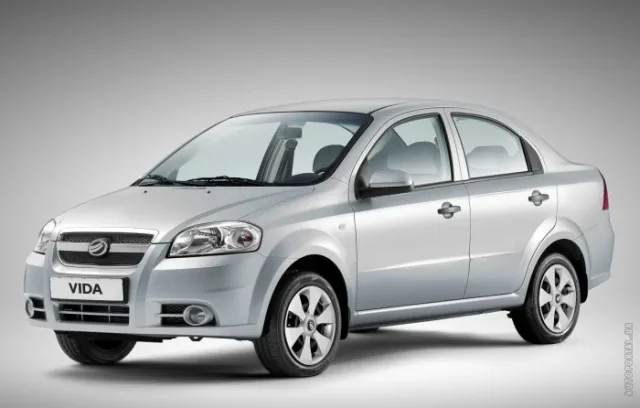
7 место занимает произведение украинского автопрома - ZAZ Vida.
Краткая справка:
ЗАЗ Vida - (с латинского - «жизнь») модель компактного седана/хэтчбека В-класса, производство которого с 2012 года налажено на Запорожском автомобилестроительном заводе. В названии модели, Vida, отражено стремление украинского автопроизводителя вдохнуть новую жизнь в уже ставший в Украине бестселлером автомобиль. Ведь ZAZ Vida является, по сути, перелицованной и модернизированной моделью Chevrolet Aveo второго поколения.
От своего прародителя автомобиль отличается элементами экстерьера (новая решетка радиатора с фирменным ЗАЗовским шильдиком, иная форма переднего бампера). Презентация автомобиля для российского рынка состоялась в августе 2012 года на Московском международном автосалоне. В техническом плане автомобиль не претерпел изменений - это все тот же старый знакомый Aveo. В Украине автомобиль предлагается в трех комплектациях.
Оснащается ZAZ Vida двумя бензиновыми двигателями: шестнадцатиклапанным 1.4 литровым и восьмиклапанным 1.5 литровым. Первый мотор работает в паре только с автоматической четырехступенчатой трансмиссией. Второй агрегатируется с пятиступенчатой механической трансмиссией. Спереди у ZAZ Vida работает независимая подвеска, а сзади - полузависимая. Запорожский автозавод намерен в скором будущем довести степень локализации автомобиля до более чем 50%, с тем, чтобы иметь возможность продавать его на экспортных рынках под собственным брендом. На российских просторах этот автомобиль будет продаваться под названием ZAZ Point и комплектоваться новым 1.5 литровым мотором, собранным по лицензии Chery на Мелитопольском моторном заводе.
Действительно что может быть проще взять автомобиль давно пользующийся популярностью и... и, сделать из него автомобиль с новым названием. Для того чтобы сделать его дешевле и доступнее внесли незначительные изменения. Например, начали применять двигатели знакомые потребителям по ЗАЗ Sens и ZAZ Forza. Это действительно снижает себестоимость и фактически не сказывается на безопасности. В остальном это все тот же проверенный временем Chevrolet Aveo.
Вывод: ZAZ Vida - неплохой выбор для покупателя который имеет желание приобрести современный автомобиль, но согласен сэкономить за счет смены бренда.
По вопросам приобретения автомобиля ZAZ Vida и дальнейшего его обслуживания можно обращаться в компанию Автоцентр на Столичном.
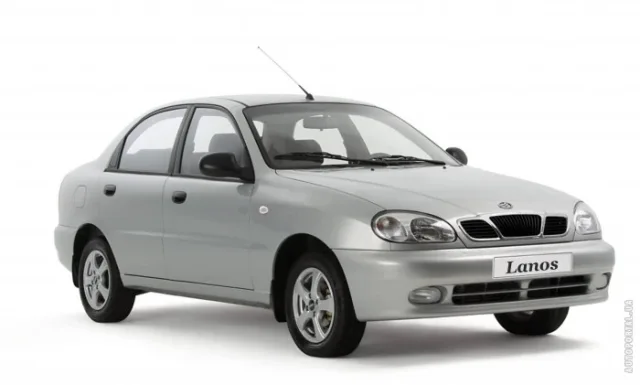
На 6-м месте мы опять встречаем представителя отечественного автопрома - ЗАЗ Lanos. Модель, которая уже несколько лет не выходит из списка TOП-10, а в некоторые периоды даже занимавшая первое место по продажам.
Краткая справка:
ЗАЗ Lanos - одна из первых украинских моделей с иностранной родословной получила свое название в честь бога Януса (с испанского - «Lanos»), который в древнеримской мифологии считался божеством дверей, входов и выходов, а также проходов, и символизировал для марки своеобразный переход от устаревших моделей к новым.
Предшественником «украинизированного» Lanos стала модель южнокорейской компании Daewoo. Ее дизайн был разработан известным кузовным дизайнером Джорджетто Джуджаро. Первоначально, еще под брендом Daewoo, Lanos начали собирать на Запорожском автомобилестроительном заводе еще в 1998 году. В 2002 году, после выхода второго поколения модели, сборка автомобиля продолжилась. Под брендом ЗАЗ эту модель в кузове седан начали выпускать в 2009 году. А спустя год началось производство ЗАЗ Lanos в кузове пятидверный хэтчбек, который поставляется в Россию под названием ЗАЗ Chance. На базе ЗАЗ Lanos на мощностях Запорожского автозавода производится модель Sens, которая выпускается в двух кузовных модификациях - седан и пятидверный хэтчбек.
Первоначально автомобиль оснащался двумя бензиновыми двигателями - 1.3 литровым производства Мелитопольского моторного завода и 1.5 литровым производства General Motors. Впоследствии 1.3 литровый мелитопольский мотор был снят с производства, вместо него начали поставлять 1.4 литровый мотор. В строю остался заслуживший доверие 1.5 литровый двигатель от General Motors. А в 2011 году линейку силовых агрегатов пополнил совершенно новый мотор объемом 1.5 литра производства ACTECO. Причем, к разработке этого двигателя приложили руку инженеры известной австрийской компании AVL. Стандартно автомобиль оснащается 5-ступенчатой механической коробкой передач - она работает в паре с 1.5 литровыми двигателями. Начиная с 2011 года, на ЗАЗ Lanos начали устанавливать 4-ступенчатую автоматическую трансмиссию, которая агрегатируется только с 1.4 литровым мотором. Привод автомобиля - передний.
ЗАЗ Lanos стал одним из самых массовых автомобилей в Украине. Это и не удивительно, если посмотреть на его цену и отзывы владельцев. Невысокая стоимость и надежность с лихвой компенсируют то, что конструкция не самая современная. Неприхотливому потребителю, который до этого не видел ничего лучше Волги, Москвича или Жигулей, автомобиль может показаться супер современным. Именно такие покупатели в большей мере полагаются на мнения других владельцев машин. Здесь неплохую услугу автомобилю оказало массовое использование его как такси. Если уж таксисты, наезжающие ежегодно самый большой километраж не жалуются на технику, то простой обыватель вообще не будет иметь проблем.
Вывод: Действительно надежный и неприхотливый автомобиль, который позволил многим владельцам советских раритетов пересесть на более качественный, надежный и самое главное комфортный автомобиль. До появления на рынке китайских брендов, это был один из лучших предложений по соотношению цена качество.
По вопросам приобретения автомобиля ЗАЗ Lanos и дальнейшего его обслуживания можно обращаться в компанию Автоцентр на Столичном.
Как мы видим из первой части нашего обзора (с десятой по шестую позицию) прослеживается определенная тенденция к экономии. Практически все автомобили бюджетные, за исключением не самой доступной Октавии. И чем меньше их стоимость, не в ущерб качеству, тем выше рейтинг. А вот современные технологии и дизайнерские решения в этом случае не главные показатели. Какие авто занимают первые 5 мест - расскажет вторая часть ТОП самых продаваемых авто в Украине за первое полугодие