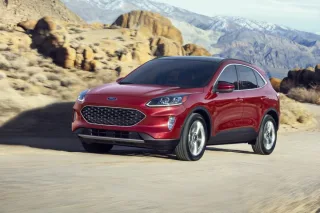
The idea is that the gas installation serves as a power source for the heater – one of the most energy-consuming units in an electric vehicle.
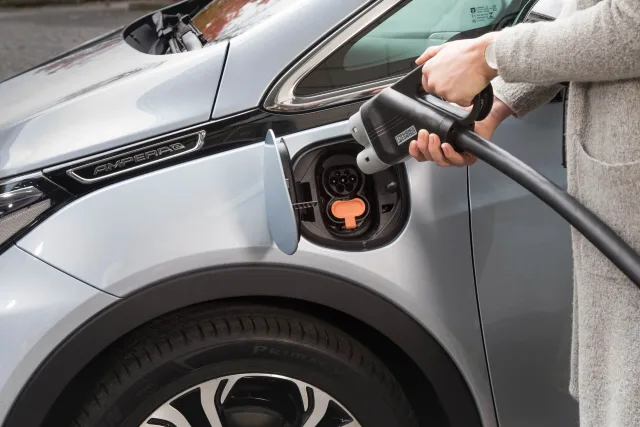
At the core of such a system is a gas cylinder that is connected to the heater. Thus, the car gets autonomous heating, and the "freed up" kilowatt-hours of the traction battery are then used for their direct purpose.
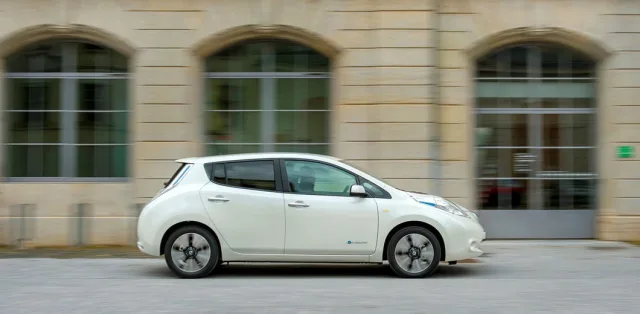
The publication's interlocutor noted that gas heaters are most popular among owners of cheap electric cars like the Nissan Leaf and Renault Zoe. And that's understandable: firstly, such cars really have a modest range (for older models – on average 150 km, considering the capacity drop over time), and secondly, more modern and expensive electric vehicles no longer use the traditional "voracious" heater, but a heat pump that saves battery charge. For example, electric crossovers like the Ford Mustang Mach-E, Volkswagen ID.4, and Tesla Model Y are equipped with this.