This position was voiced by Yuriy Kuchabsky, who holds the post of vice president of the OKKO filling station network. The launch of the new electronic administration system for petroleum product sales is scheduled for March 1. The key component of this system is the excise invoice, which is a mandatory electronic document issued at every stage of fuel movement — from the refinery or the state border of Ukraine all the way to the filling station.
Such an approach eliminates the possibility of evading excise tax, including through the receipt of illegal petroleum products from fictitious companies or the registration of false production. However, on February 15, Yaroslav Moskalenko, who heads the parliamentary group "Will of the People," as well as Stepan Ivakhiv, a member of this group and beneficial co-owner of the WOG group of companies, submitted a bill. It proposes postponing the implementation of the electronic administration system to July 1. In addition, the document proposes reducing excise rates on alternative motor fuel from 120 to 75 euros per thousand liters, as well as completely exempting from excise duty blended gasoline and diesel fuel produced from excisable goods.
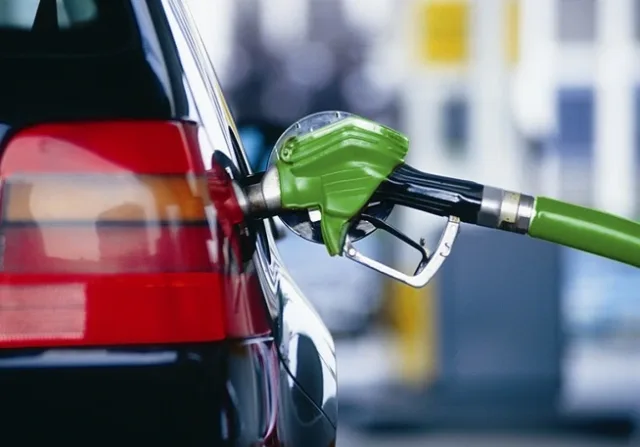
"Our company sees no point in postponing the introduction of electronic excise invoices and spending effort on restructuring internal accounting systems for this process," comments Yuriy Kuchabsky. "At the same time, the mentioned bill contains provisions that will create new opportunities for circumventing tax legislation. If it is adopted, unscrupulous market participants will be able to continue producing counterfeit products through blending, and without paying excise taxes."
According to him, the volume of the shadow fuel market in Ukraine grows by 5-10% annually. If action is not taken immediately, soon there will be no place left for legally operating companies. The delay in launching the new excise administration scheme directly benefits representatives of the shadow business.