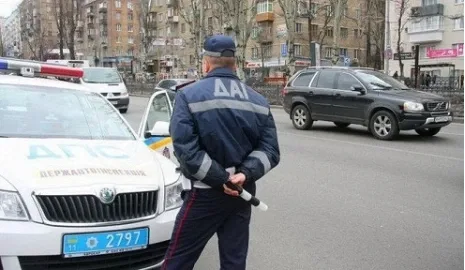
First Deputy Head of the Ministry of Internal Affairs of Ukraine Eka Zguladze at an off-site meeting of the Cabinet of Ministers at the National Academy of Internal Affairs presented initiatives within the framework of reforming internal affairs bodies. "The new system for determining punishment is not a carrot and stick, it's just points and fines," she said.
In the new system, points are not accrued but deducted. That is, after the adoption of the law, all drivers will be awarded 150 points. This is like a starting initial amount. For each violation, a certain number of points is deducted. When the points are exhausted, the driver will be fined. At the same time, the Deputy Head of the Ministry of Internal Affairs hopes that the Ministry of Finance will not be indignant, since the estimated budget losses are insignificant.
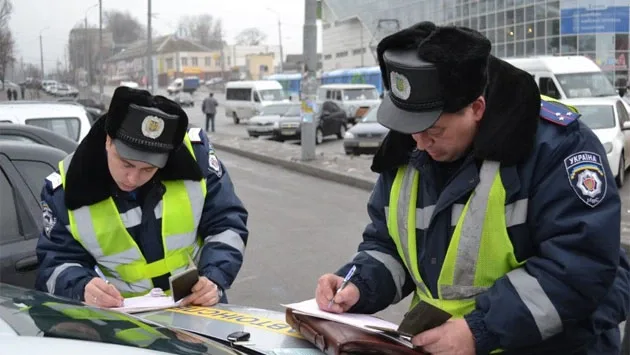
Further, if the fine is not paid within 30 days, a penalty will be charged on it in double the amount of the fine, and if the fine and penalty are not paid within 60 days, the executive service of the Ministry of Justice will take over the case.
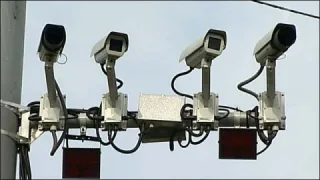
The only question is raised by the initiative on automatic recording of violations. Under it, the penalty is entered automatically and sent to the address of the place of residence of the car owner, "that is, we fine the car." The previous initiative to introduce video cameras did not take place precisely because of the lack of personal responsibility.
It is unlikely that anyone would want to receive other people's fines. A wave of protests against administrative fines will pour into the courts, because the country provides for personal responsibility — especially if the car is official and used by enterprises. This norm will most likely break plans in the Verkhovna Rada as well. The issue of personalizing punishment is quite fundamental. It's like an axiom: "If a crime occurred in a house, the owner of the house should not be responsible for it, but the criminal."