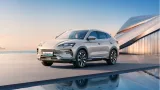
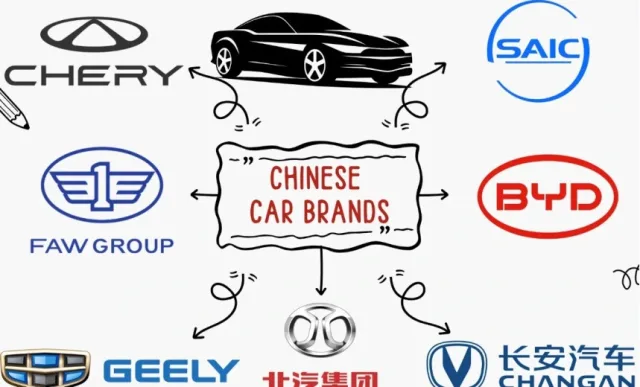
The diagram clearly shows who actually owns each brand and which manufacturers receive the most significant support from the state. At the center of the market are four key corporations that account for more than half of all sales: Geely, BYD, Chery, and Changan. These groups are financed through state subsidies and own dozens of brands.
Alongside them, other major players operate: SAIC, JAC, BAIC, and Dongfeng. Independent manufacturers that are not yet part of large holdings stand separately: Nio, Xpeng, Leapmotor, Li Auto, Xiaomi, Neta, and Aiways. However, their positions look quite precarious.
To organize the structure, Muñoz grouped brands by main associations:
-
Geely: Zeekr, Volvo, Lotus, Lynk & Co, Polestar, Smart, Proton, Belgee, Farizon, LEVC, Galaxy
-
BYD: Denza, YangWang, Fang Cheng Bao
-
Chery: Fulwin, Omoda, Jetour, Exeed, iCar, Luxeed, Jaecoo, Rely, Chery
-
Changan: Avatr, Deepal, Nevo, Volga, Kaicheng
-
SAIC: MG, Maxus, IM, Roewe, LDV
-
JAC: Maextro, JAC, Evo, Nord
-
BAIC: Arcfox, Foton, Tiger, Stelato
-
Dongfeng: MHero, Voyah, Lingxi, Nammi, Venucia
-
Startups: Nio (Onvo, Firefly), Xpeng, Leapmotor, Li Auto, Xiaomi, Neta, Aiways, Rox
A separate diagram shows the distribution by levels: at the top are ultra-premium Hongqi, YangWang, and Maextro; below are technology companies, including Xiaomi, Nio, and Li Auto; even lower is the premium segment with Zeekr, Denza, Stelato, and Xpeng; and at the base are little-known budget brands Sinogold, Hima, BAW, and others that are unlikely to survive the next decade.
Thus, China's automotive market is gradually transitioning from a fragmented number of brands to the dominance of a few giant corporations. In ten years, a significant portion of secondary manufacturers will disappear, but China's influence on the global automotive industry will only grow.