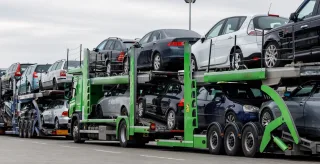
The problems of the German automotive industry have a dual origin — internal factors here are intertwined with external economic ones. The significant increase in tariffs on imported cars in the United States has noticeably hit sales volumes. If earlier America was one of the main sales markets for German brands, now exports there are becoming less and less profitable. Some manufacturers are already revising their investment plans, and some are even refusing to expand production at home.
The Chinese direction turned out to be no less problematic. In this market, German companies faced very serious competition from local manufacturers, who focused on electric cars and sell them cheaper. Because of this, German concerns are losing positions that they had been building for many years.
Another alarming trend is the reduction of presence in the European market. American and Chinese companies are feeling more and more confident in Europe, squeezing out traditional leaders from there. What until recently seemed impossible has already become a reality: even German consumers are increasingly choosing cars assembled outside Germany.
Experts are already warning about the risk of gradual deindustrialization. For Germany, such a prospect is especially painful, because the automotive industry is one of the main engines of the national economy and exports. When jobs are simultaneously cut, sales fall, and capital investments decrease, a reasonable question arises: will the country retain the status of a leading automotive hub in Europe?
Many automakers have already announced strict austerity programs. This involves freezing new developments, stopping individual assembly lines, and overall cost reduction. If this dynamic continues, we may witness a turning point when the German automotive industry will for the first time in many decades cede its global leadership.