
The owner of a car with a 2.0-liter petrol engine got behind the wheel of this car in 2007, but before that, it had already been in use by his wife for three years, starting from 2003. According to the farmer, it was his first Škoda — he had previously driven other cars, but none of them could boast such fuel efficiency and reliability. He admits that he was finally convinced of the Octavia's advantages when he started using it in his daily work.
Every day, the car took him from home to the farm in Borgarfjörður, and from time to time it went on long trips to various corners of Iceland. The longest distance this Octavia had to cover was a thousand kilometers — it was a trip to the Westfjords. Despite the harsh local climate, driving on gravel roads, and even transporting sheep, the engine, gearbox, and even the clutch are still factory-original.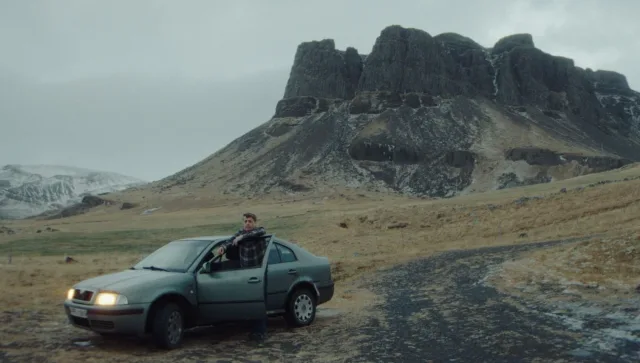
The car's owner emphasizes that the key to such longevity was timely maintenance. He advises not to forget about shock absorbers, the radiator, and the brake system, and also to pay attention to one's driving style — he himself never revved the engine above 3000 rpm. In addition, the farmer only used proven oil and changed it at intervals of approximately 30,000 kilometers.
When the mileage reached one million kilometers, the digital odometer stopped at six consecutive nines, as the design did not provide for displaying seven-digit numbers. The owner admits that at that moment he felt true pride and joy — he always believed that the car was capable of such a result, and the very process of moving toward that mark gave him satisfaction.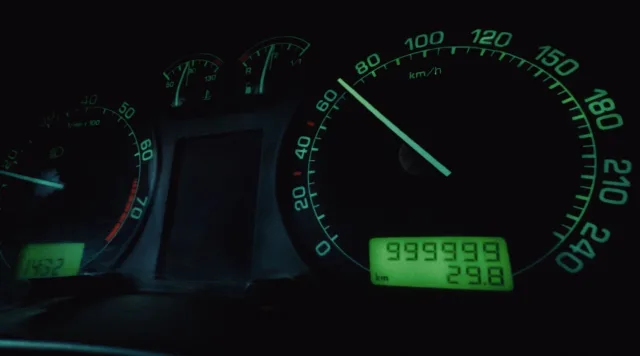
Despite the fact that the farmer has already purchased a newer Octavia as a replacement, the old car will not rust in the garage. It will be handed over to a vocational school in Reykjavik, where students will learn the intricacies of mechanics and automotive engineering on it. Thus, this legendary model will become an example for future specialists and a reminder that proper care can ensure a long life for a car.