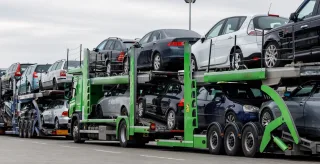
The introduced tariffs will seriously affect the global automotive industry. 86.9% of all auto components come to the USA from Mexico, and virtually all leading manufacturers rely on these supplies. Volkswagen, Nissan, Stellantis, General Motors, and Ford assemble a significant share of their models in North America, so the new duties could noticeably increase production costs.
Many popular models — from Ford F-Series and Mustang to Mazda CX-50, Toyota RAV4, as well as General Motors and Stellantis pickups — use components made in Canada and Mexico. Analysts predict that manufacturers will pass the additional costs on to buyers, and car prices could reach record levels.
According to estimates, the average car price could jump by 25%. The annual losses of key concerns could amount to billions: General Motors — $13 billion, Ford — $25 billion, Stellantis — $56 billion. And this does not include the funds that may be needed to restructure production chains in Canada and Mexico.
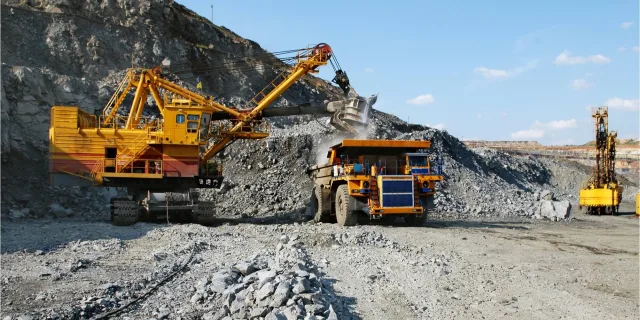
Ukraine did not fall under direct customs restrictions, but Trump mentioned it in his speech, declaring interest in Ukrainian rare earth metals as a basis for cooperation. Our country has significant deposits of strategic raw materials needed for the production of electric vehicles, microelectronics, and defense products.
Trump's administration's step has already provoked a sharp response from Ottawa and Mexico City — both countries are preparing their own tariffs on American goods. China, in turn, is considering filing a complaint with the World Trade Organization.
For Ukraine, such a development could become a window of opportunity. The US need for rare earth metals could push Kyiv and Washington toward closer cooperation. However, it is still unclear what the price for this cooperation will be and whether Ukraine will truly benefit from the new economic course of the United States…