
First of all, you need to understand that the automaker recommends a lubricant that truly fully matches the engine. Moreover, usually even at the engine design stage, all calculations are based on the properties of the specific oil with which it will work.
For example, in accordance with the load on the surfaces of the most loaded friction pairs and the temperature conditions, the viscosity, oil film strength, and anti-scuffing properties of the oil are selected. Viscosity is also influenced by the lubrication conditions of parts by splashing and the starting characteristics of the engine.

The parameters of the lubrication system – volume, channel geometry, filter type – are also related to the oil parameters, the "power" of its additives, and the intended service life of their operation. The characteristics of the oil pump, the shape of the piston and ring parameters, even the quality of cylinder surface treatment, all play a role here.
Finally, engine and lubricant manufacturers must coordinate the service interval – the oil and filter change periods, which depend on the oil's resistance to oxidation, the service life, and the performance of its additives.
One answer
However, not so long ago, Shell created an oil that is known to meet all the requirements of modern automakers, and in some parameters even exceeds them.
These are the synthetic products of the Shell Helix Ultra line, which can be used in all modern cars. The fact is that this oil is obtained not from petroleum, but from natural gas using gas-to-liquids (GTL) technology, which endows it with many special properties. Shell has learned to produce a pure base from natural gas – a base oil that, in some characteristics, even without additives, surpasses ordinary "petroleum" oils.
For example, base oil synthesized from natural gas, unlike "petroleum" oil, does not contain sulfur, which, as is known, in combination with moisture creates sulfuric acid in the internal volume of the engine and ages the oil, reducing its characteristics long before replacement. But thanks to the absence of sulfur – and other features – Shell Helix Ultra oil retains its properties unchanged until the very end of its service life.

In addition, the absence of sulfur and sulfuric acid eliminates the development of corrosive wear in the engine – one of the most significant components in the wear process of friction pairs.
Thanks to the high purity of the base, Shell Helix Ultra oils do not form carbon deposits, sludge, or other deposits in the engine. Therefore, this "synthetic" can be used in engines that operate under high loads, are prone to oil overheating, and consequently, to increased carbon deposit formation.
Due to its purity, the base of Shell Helix Ultra oil is also not prone to another type of aging that occurs primarily in winter – due to increased moisture condensation in cold weather and the accumulation of low-temperature sludge. Ordinary oils in winter come into contact with moisture a lot, which increases their viscosity; by the end of their service life, the oil no longer has the same viscosity as immediately after filling. This does not happen with oils obtained from gas, so Shell Helix Ultra can be used in engines with extended service intervals.
Against wear
The high detergent properties of the Helix Ultra line are primarily due not to the action of additives, but to the qualities of the oil base – its base. Therefore, firstly, they do not decrease throughout the entire service interval, and secondly, they effectively protect the engine from wear, preventing carbon deposits from settling on the side surfaces of the piston. After all, as is known, it is the accumulation of solid carbon deposits in the upper part of the piston and in the ring grooves that leads to accelerated cylinder wear and reduced compression, that is, to premature engine failure. But for engines filled with Helix Ultra oil, this threat is not relevant. The proprietary "Shell" engine protection technology Active Cleansing Technology also helps to effectively resist engine aging.
Viscosity questions
As for the viscosity parameters that the automaker quite strictly sets for each of its engines. In this "synthetic" line, there are several viscosity grades, including those with the lowest "winter" index: Shell Helix Ultra 0W-30 and Helix Ultra 0W-40. This value facilitates cold starting in frost and at the same time guarantees high pumpability of the lubricant through the channels in a frozen engine. And this means minimal wear in the most unfavorable mode of cold winter start.
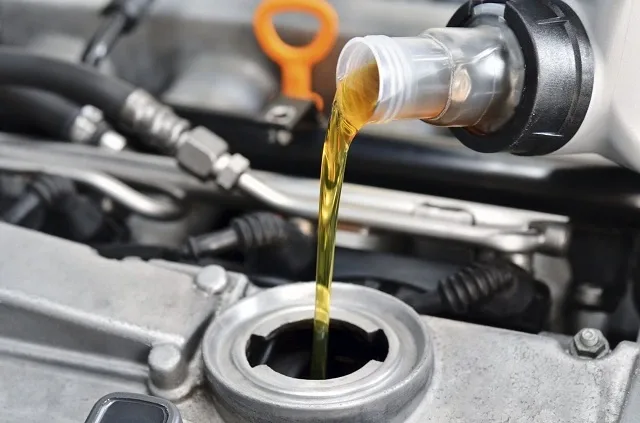
In short, thanks to a set of outstanding properties, the oil of the Shell Helix Ultra line can be used not only in almost any modern engine, but also will suit in case of any special requirements that the car manufacturer or its owner places on the lubricant.