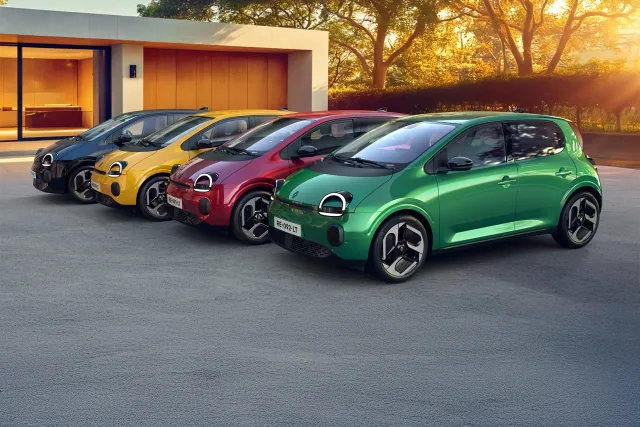
The new model is built on the AmpR Small platform, which is also used by other electric models from this manufacturer. This solution allows the car to remain compact without sacrificing modern equipment. Under the hood is an electric motor with 60 kW (approximately 82 horsepower) and a torque of 175 Nm. Acceleration to 100 km/h takes 12.1 seconds — not an impressive figure, but more than enough for city driving.
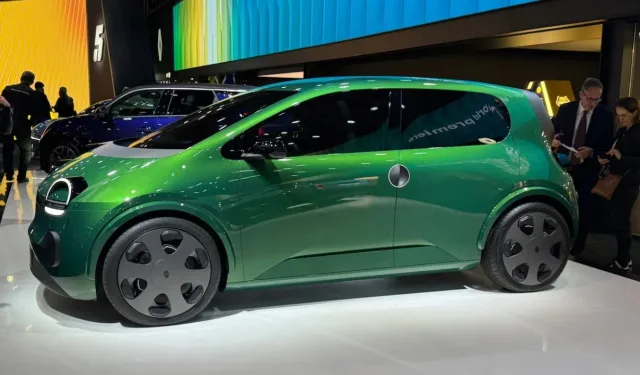
The car is powered by an LFP-type battery with a capacity of 27.5 kWh. According to the WLTP cycle, the range reaches about 262 kilometers — quite decent for this class. Fast charging with direct current is limited to 50 kW, so replenishing the charge from 10% to 80% will take about half an hour. This is quite sufficient for daily city trips.
Externally, the Twingo E-Tech is a compact car with a friendly design that references the classic model of the nineties. The main trump card lies in the layout: with a length of about 3790 mm, a wheelbase of 2490 mm, and a weight of approximately 1200 kg, the interior offers space you would expect from a larger class car. The rear seats can be slid by 170 mm, the trunk in standard condition holds up to 360 liters, and with folded seatbacks — over 1000 liters. Under the floor, there is an additional 50 liters for small items.
Efficiency is a separate pride of the model. The claimed consumption is up to 10 kWh per 100 km, which places it among the most advantageous offers in the segment. Moreover, the manufacturer promises to significantly reduce the carbon footprint during vehicle production, so the environmental impact should be noticeably lower than that of typical electric cars.
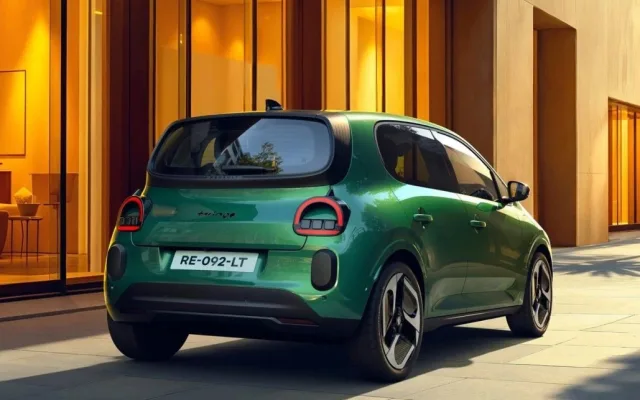
The Twingo E-Tech does not claim sporting laurels, but it perfectly embodies the concept of a city electric car: simplicity, smart energy consumption, and convenience in daily use. If the promised price — less than 20,000 euros — and the stated characteristics are confirmed, this model has every chance of becoming a truly mass-market electric car in Europe, starting from early 2026.