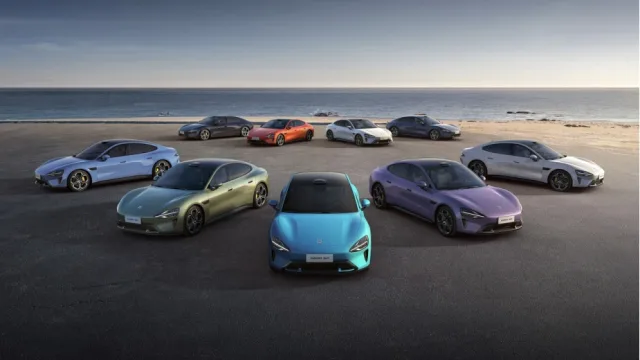
Initially, Xiaomi Auto planned to ship 300 thousand cars a year, but due to extremely high demand, the plans had to be revised. According to the company's founder, Lei Jun, in 2025 the number of deliveries should reach 350 thousand units. Given the existing production capacity, this figure will likely be achieved even ahead of schedule.
As the published financial statements show, in the second quarter of 2025 (April–June), over 81 thousand cars were sold — almost three times more than in the same period a year earlier. In total, over 15 months since the start of sales, more than 300 thousand electric vehicles have been delivered to customers, of which 157 thousand were in the first half of 2025. Since July, monthly sales have consistently exceeded the 30 thousand mark.
The SU7 electric sedan lineup is the most popular. The top version, SU7 Ultra, which costs from about 530 thousand yuan, entered the market in the second quarter and immediately noticeably raised the average check. Today, the average cost of a Xiaomi car is about 40 thousand dollars, which allows the brand to compete on equal footing with BMW, Mercedes-Benz, and Audi.
In addition, the company has made a decisive move into the crossover segment. In June 2025, the Xiaomi YU7 model debuted with prices ranging from 253 to 330 thousand yuan. In just the first 18 hours after orders opened, a record 240 thousand applications were received — this indicates colossal interest in the new product and creates a solid reserve for future sales.
Today, Xiaomi Auto is among the top four electric vehicle manufacturers in China. However, the company does not intend to limit itself to the domestic market: by 2027, the brand plans to enter European markets to directly compete with global automakers. And judging by the current dynamics, competition with international giants looks quite realistic for Xiaomi.