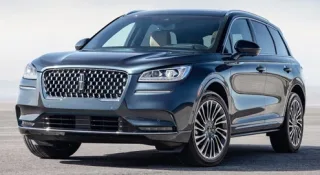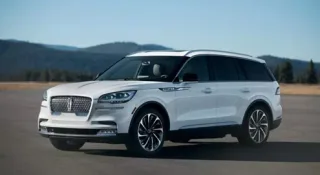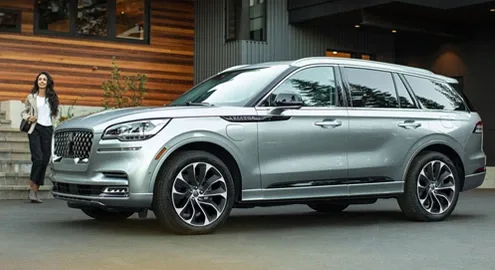
The discrepancy in the figures is explained by the common practice of American companies — before official certification, they indicate understated engine power, and the real numbers are only disclosed closer to the start of sales. An increase of ten percent for a plug-in hybrid is a rare case; usually the difference is smaller: for example, the standard Aviator with a 3.0-liter engine producing 405 horsepower (563 Nm) compared to November added only 21 Nm of torque, while the power remained the same.
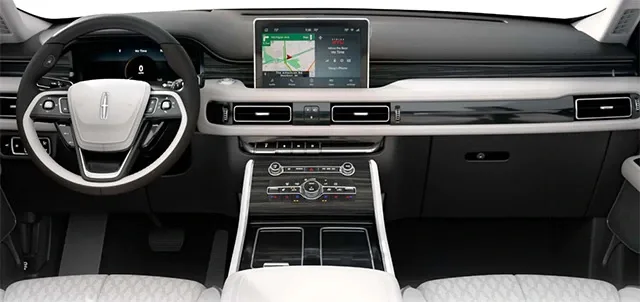
The dynamic parameters of Lincoln crossovers remain undisclosed — neither the hybrid's electric range nor the fuel consumption of the electrified version of the Aviator has been reported by the manufacturer. However, it has already been confirmed that the practicality of the hybrid has not suffered: the version with a battery retains the same trunk volume (from 518 to 2200 liters) as the version with a regular gasoline engine.
In the USA, the model configurator has already been launched: the initial version of the Aviator with a six-cylinder engine and rear-wheel drive costs $51,100. All-wheel drive raises the price to at least $53,600, the hybrid powertrain increases the cost to $70,000, and the top trim of the Lincoln Aviator exceeds the $90,000 mark.