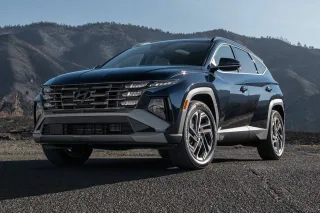
The reason for this decision is the mass electrification of transport and environmental restrictions for automakers, which are tightening every year. In addition, sales of diesel cars are already falling, and their place is increasingly being taken by electric cars and hybrids. At the same time, a number of countries (mainly European) have previously stated that they will ban the sale of fuel-powered cars in 2030-2040, which also likely influenced the development strategy of the Korean brand.
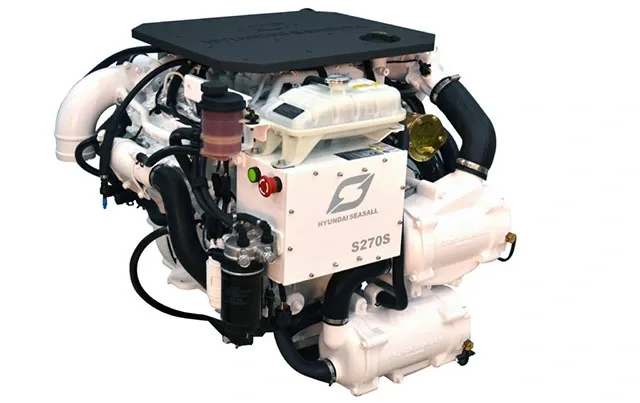
Hyundai emphasized that current diesel engines will remain in service for some time and will even undergo modernization, but the concern will no longer have new engines of this type. As for gasoline engines, Hyundai intends to continue using them, including as part of hybrid powertrains (recall that the latter consist of an internal combustion engine, an electric motor, and a battery). That is, there is no talk of a complete abandonment of internal combustion engines yet.
At the same time, Hyundai is preparing for the era of electric cars and has promised that by 2025 its model lineup will include 23 electric vehicles. One of them should be the promising Ioniq 5 hatchback, which will debut in the coming months.