Prokhorov said that computer tests of the future car have already been completed, and by the end of 2010 several modifications of the new model will be submitted for certification. The design of a plant capable of producing 10,000 cars annually is also underway. According to him, the key change concerns infrastructure: instead of large automobile giants, assembly is expected to be distributed across cities, tailored to specific customers.
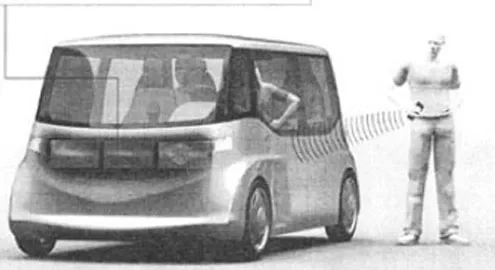
Earlier it became known that the Onexim group showed interest in the city hybrid project by the St. Petersburg company Yarovit. The car is equipped with electric motors with a power of 50 kW (approximately 70 horsepower), powered by lithium-ion batteries. The batteries can be recharged in two ways: during braking through energy recuperation or using a 0.6-liter internal combustion engine running on natural gas.
Prokhorov explained the choice of natural gas for the internal combustion engine to the Russian president by saying that "we have a lot of it."
The declared range of the hybrid is 400 kilometers, with fuel consumption not exceeding 3.5 liters per 100 kilometers. The maximum speed is limited to 120 kilometers per hour. The estimated price is 8,888 euros.
Prokhorov intends to bring the car to mass production on his own, without attracting state funds. He only asked the president for assistance in simplifying certification procedures and support for developing the compressed natural gas market. Earlier it was reported that Onexim planned to allocate about 100 million euros for this project.