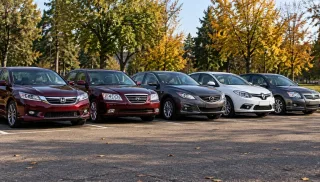
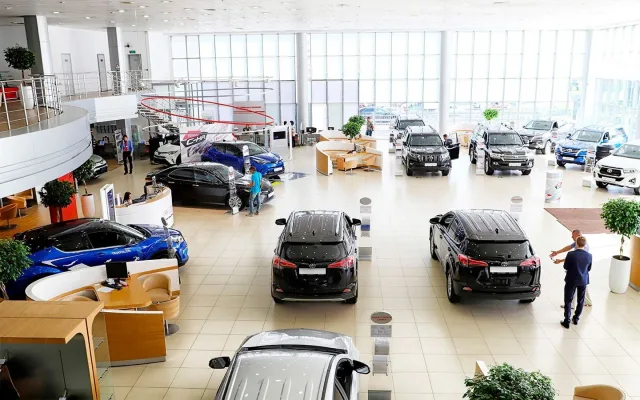
The issue is not just inflation. The industry has changed: cars have become larger, technically more complex, and packed with electronics. And buyers are increasingly looking at crossovers and pickups — which bring automakers more profit. Since 2017, these body types have consistently outperformed sedans and hatchbacks in sales rankings.
Equally important is what is now considered "luxury." It is no longer leather and wood, but electronic assistants, touch screens, adaptive cruise control, and safety systems. All of this makes cars more expensive and their repair more complex. As a result, models cheaper than $20,000 have almost disappeared from the market.
How automotive inflation has affected Ukraine
In Ukraine, according to AUTO-Consulting experts, the process is following a similar path. In the early 2000s, a new car cost on average about $10,000 (≈50,000 UAH) — at that time, the market was dominated by cars of Ukrainian and Russian assembly. In 2008, when sales reached a historical peak, the average check had already grown to €14,500 (≈110,000 UAH). In 2012 — to €17,500 (≈180,000 UAH).
But in 2025, according to AUTO-Consulting calculations, the average price of a new car in Ukraine reaches €32,000 (≈1.56 million UAH). That is, over a quarter of a century, automotive inflation in currency amounted to about 270% — almost 4 times. If calculated in hryvnia, the increase is approximately 3000%: prices have jumped more than 30 times.
Still, Ukrainians are not giving up on buying new cars. In the first 7 months of 2025, passenger cars worth over $3 billion were imported into the country, and October turned out to be a record month in terms of sales volumes.