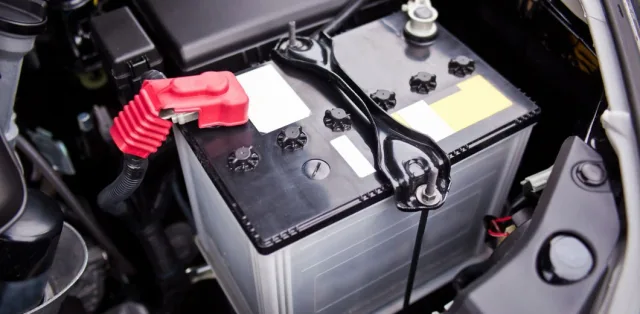
This is evidenced by a publication in the American edition of Economic Times. It all started back in the COVID era. It is noted that with the introduction of quarantine restrictions, many drivers abandoned their cars due to the lack of need for trips. A year passed, many countries began to return to normal life, and motorists to their... already discharged cars. Due to prolonged downtime, the batteries of many vehicles failed (especially those batteries older than 2-3 years).
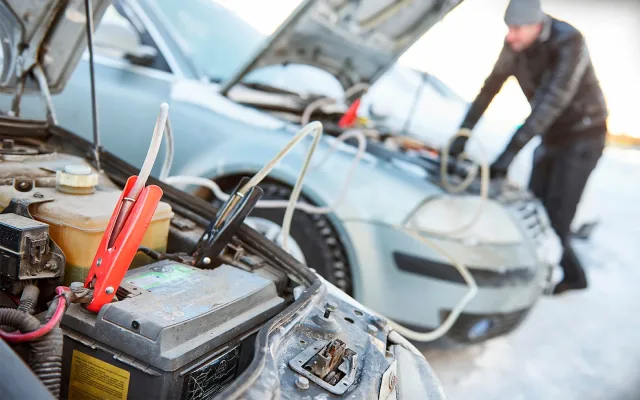
As a result, motorists began to massively buy up 12-volt batteries, which caused a surge in prices for both the batteries themselves and lead – the material contained in them. This is especially typical for the USA and Europe.
By the way, car batteries themselves are of the lead-acid type. At the same time, about half of the lead mined annually goes precisely to the production of car batteries.
The problem is aggravated by rumors that the shortage is not a temporary phenomenon, but a problem that will only intensify. As of the end of June, lead reached its highest cost since 2018 – $2,344 per ton, and according to an analysis by the energy company Wood Mackenzie, demand will continue to grow and increase by 5.9% compared to last year.
Autoportal comment – how to prevent battery discharge
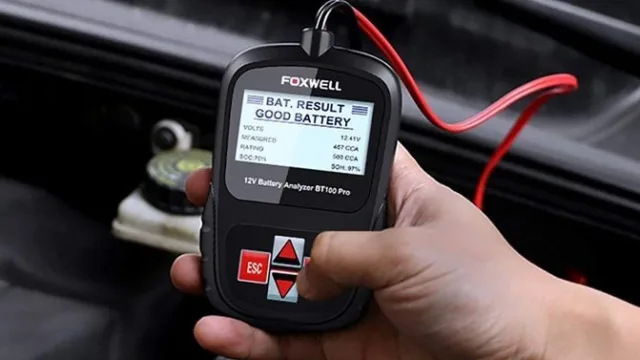
In a car, the battery is used to start the engine and power all 12-volt electronics of the vehicle. Usually, the battery is charged from the car's alternator while driving, which ensures the proper charge level and condition of the battery for many years of operation. However, in parking mode, the battery continues to power many vehicle systems (engine control unit, lock sensors, etc.) and gradually discharges. Therefore, the battery needs constant recharging. How can you protect yourself in case of car downtime? There are several options. The first is to buy a charger (jump starter, intelligent regular one), with which you can slowly "continuously charge" the battery, thereby maintaining its performance. The second is to remove the battery and store it at home (it is important that it is almost fully charged), this will help protect the capacity and avoid discharge over time. Finally, the third, the simplest way is to just drive the car at least once every few days so that the alternator does its job and charges the battery.