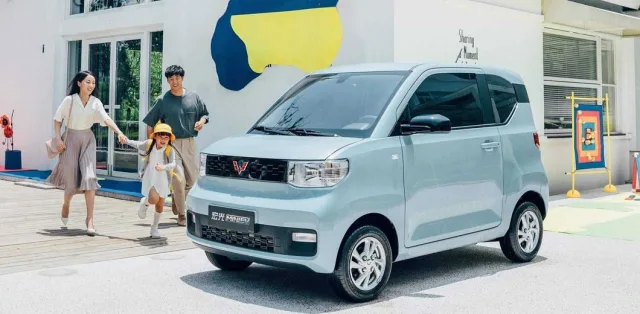
As reported by CarNewsChina citing XCar, on each sold MINI EV, the Wuling brand earns only 89 yuan, which is equivalent to $14. However, it's not that simple: if the car were completely unprofitable, it would obviously have been discontinued.
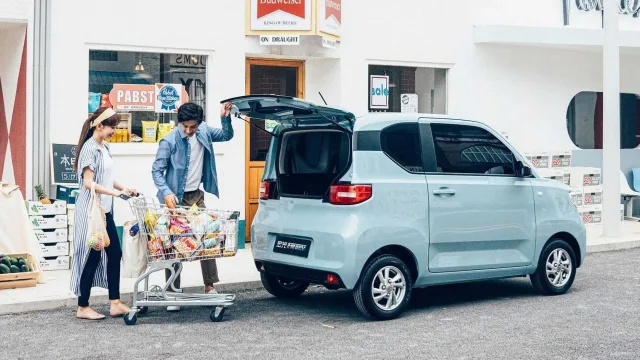
So what's the catch? It's all about carbon credits. The essence is this: to reduce emissions of that very carbon, the Chinese authorities introduced a credit system. The more "dirty" cars a manufacturer produces, the more credits it loses. Conversely, the more eco-friendly cars, the more it gains. If a company doesn't meet emission standards, it must buy credits from electric vehicle manufacturers, as the latter often have an excess of these credits. The latter, in turn, get money for this.
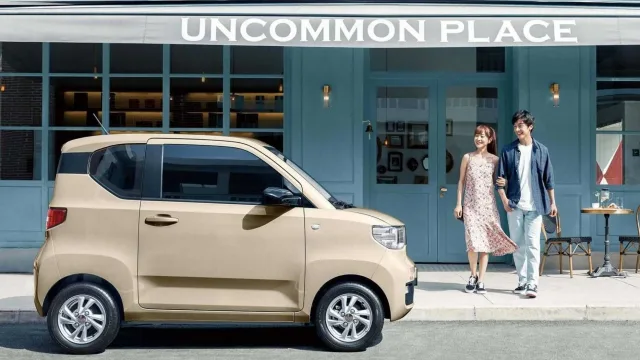
Simply put, Wuling's income from the MINI EV is those very carbon credits. Currently, one carbon credit in China costs about 3,000 yuan ($464), and the MINI EV is worth about 2 credits.
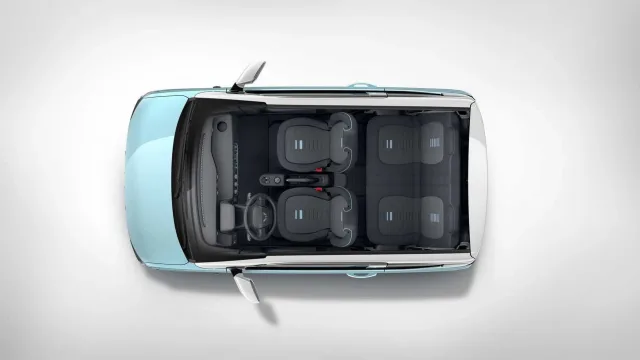
As of early 2021, Wuling has sold about 160,000 such electric vehicles, and the company believes it will close the current year with a figure of 400,000 shipped cars. Simple arithmetic suggests that, in this way, the manufacturer will earn a total of 259.8 million credit dollars (on the sale of 560,000 MINI EVs). But the profit from customers will indeed be modest – only $7.8 million.
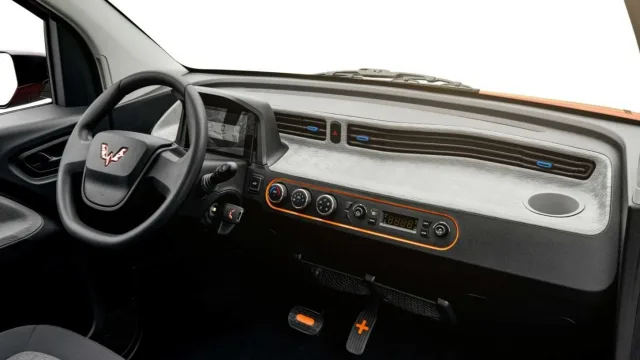
In addition to the financial and credit background, there is another reason why Wuling does not abandon the MINI EV – brand recognition in local and foreign markets. The Chinese automaker became world-famous after the Mini EV several times surpassed the popular Tesla Model 3 in sales on the domestic market.
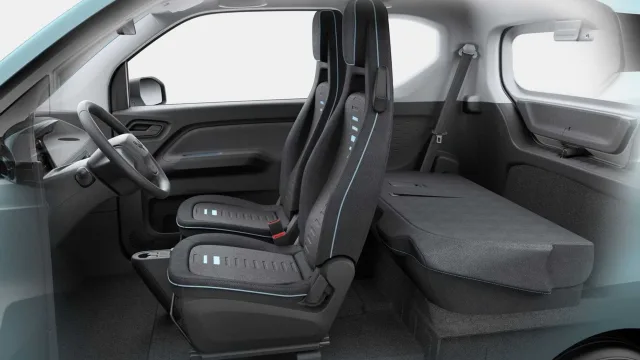
Recall that one of the advantages of the MINI EV on the market was its price: the car is available in China for about $4,500. It is a city three-door hatchback (dimensions 2.9 x 1.4 x 1.6 m) that can accelerate to 100 km/h and travel 120-170 km on a single charge depending on battery capacity.