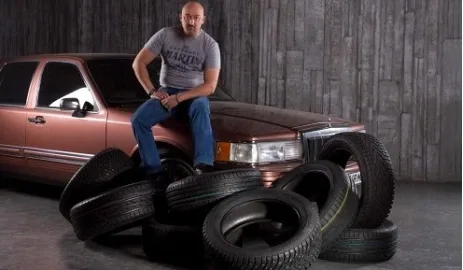
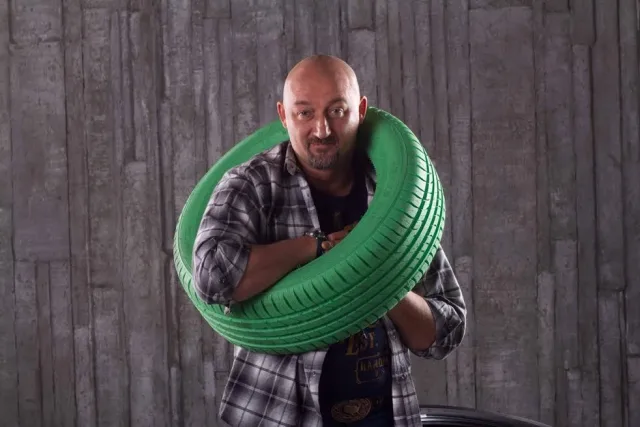
Развеять все сомнения в отношении самых распространенных мифов о шинах поможет признанный авторитет, мастер спорта международного класса, автомобильный сомелье и фронтмен группы «КантриАнАполис» Алексей Мочанов.
Миф 1. На одну ось автомобиля допустимо устанавливать шины разных размеров, типов и с разным рисунком протектора
Это очень опасное заблуждение. Ни при каких обстоятельствах нельзя одновременно устанавливать на одну ось диагональные и радиальные шины. Шины разных размеров на одной оси тоже под запретом. Вообще, лучше обратиться в автосервис, где квалифицированный специалист определит тип и размер шин для колес конкретного автомобиля и установит их по всем правилам и технологическим требованиям.
Миф 2. Гарантия автопроизводителя распространяется и на поврежденные шины
Гарантия автопроизводителя не имеет никакого отношения к шинам. При повреждениях шин (порезах, проколах и т. д.) действует только гарантия их производителя. При этом ее условия у разных производителей шин очень отличаются. Сегодня одно из лучших предложений по защите нервов водителя на украинских дорогах – Расширенная Hakka гарантия от финского концерна Nokian Tyres. Она действует в течение года с момента покупки шин: при неумышленном повреждении шину бесплатно отремонтируют, а если ремонт невозможен – заменят.
Миф 3. Всесезонные шины – это выгодно и удобно
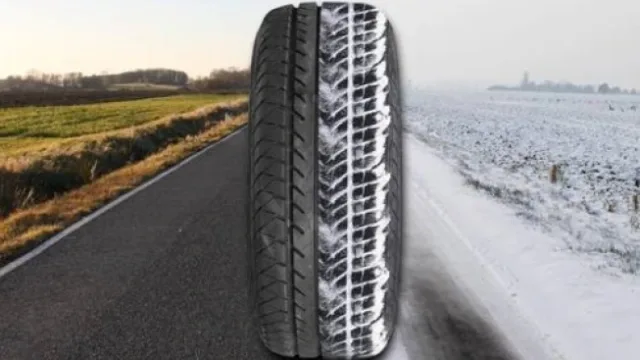
Только не в Украине. При неустойчивых зимах с большими температурными скачками и почти тропической жаре летом всесезонные шины – не самый лучший выбор. Они по определению не могут быть одинаково эффективны на раскаленном асфальте и на покрытой ледяной коркой дороге. Поскольку «цена вопроса» – безопасность, мнение профессионалов однозначно: осенью, как только среднесуточная температура опускается ниже 7 ºС, нужно ставить зимние шины. А весной, дождавшись стабильных +10 ºС, – менять их на летние и ездить безопасно и с комфортом. Доверять «переобувку» автомобиля лучше специалистам на шиномонтаже, а шины рекомендуем хранить в надлежащих условиях в «шинных отелях» – так они дольше прослужат.
Миф 4. Летом можно ездить и на лысой резине
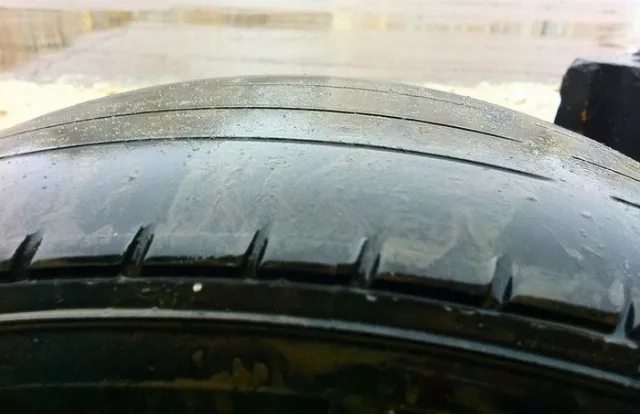
На лысой резине вообще нельзя ездить. Во-первых, согласно ПДД, при критически низкой остаточной глубине рисунка протектора шины легковых автомобилей обязательно нужно менять. А во-вторых, ресурс сцепления лысой резины – 0%, особенно на мокрой дороге. Из этого следует, что летние шины, как и зимние, эксплуатируем с учетом рекомендаций производителя по остаточной глубине протектора. И еще один важный фактор – рисунок протектора. На него многие водители почему-то не обращают внимания, и очень зря. К примеру, летние шины финского производителя Nokian Tyres в условиях дождливого лета работают с максимальной отдачей именно благодаря рисунку протектора. В нем разработчики объединили последние технологии: расширяющиеся канавки Trumpet Grooves, глубокие диагональные канавки Hydro Grooves, «вентурные» канавки и другие инновации. В результате четкого взаимодействия этих технологий вода из пятна контакта шины с дорогой отводится быстро и эффективно.. Автомобилю, «обутому» в такие шины, не страшен даже тропический ливень.
Миф 5. Слегка недокачанные шины улучшают сцепление с дорогой
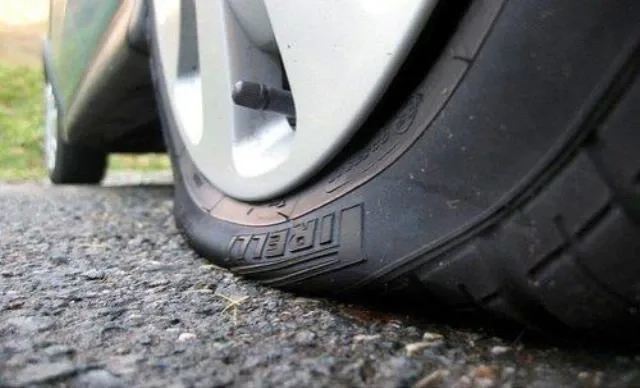
Шина в полной мере раскрывает свои возможности только при оптимальном давлении в ней. Недостаточное давление, во-первых, может стать причиной нестабильного и непредсказуемого поведения шины, а во-вторых, значительно повышает расход топлива. Так что при накачивании шин советуем придерживаться рекомендаций автопроизводителя, а не ориентироваться на расхожие заблуждения.
Таким образом, на дороге лучше руководствоваться здравым смыслом, а не мифами, которые порой не только далеки от истины, но и создают прямую угрозу безопасности. И мой вам совет: для водителя верные помощники в любой ситуации – надежные шины с проверенной репутацией. Берегите себя, удачных вам поездок и ярких летних впечатлений!