Техническое состояние автомобиля
Если в машине есть неполадки, которые напрямую влияют на аппетит двигателя, то никакое мастерство водителя не поможет уменьшить траты на заправке. По этой причине регулярная проверка ключевых систем — это способ сэкономить немало литров, особенно когда цены на топливо постоянно растут.
Засорившийся воздушный фильтр, мешающий мотору получать нужный объем кислорода, нередко становится главным виновником перерасхода горючего. Важно контролировать его состояние и своевременно производить замену либо очистку сжатым воздухом. Также стоит обращать внимание на топливный фильтр, который тоже может забиваться.
Закоксованные форсунки гарантированно добавят к расходу 1–1,5 литра. А со свечами, выработавшими свой ресурс, добиться экономии тоже не получится.
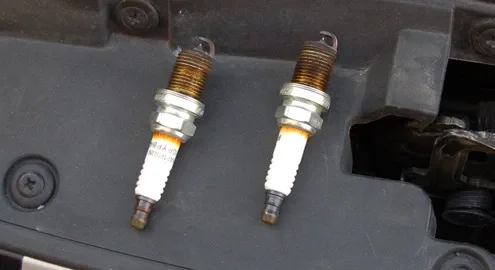
Слишком большой зазор между электродами или плотный слой нагара — это дополнительный расход минимум пол-литра.
Контролируйте давление в колесах: приспущенные шины никак не способствуют экономии. Особенно часто с этой проблемой сталкиваются зимой, когда из-за колебаний температуры воздух в шинах сжимается чаще. Нарушенные углы установки колес и изношенные элементы подвески тоже ухудшают топливную эффективность, поэтому хотя бы раз в год полезно посещать стенд для проверки развала-схождения.
Тем, кто установил спойлеры и антикрылья, стоит понимать: такие аксессуары заметно повышают расход топлива.
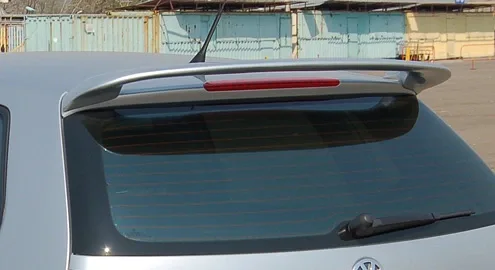
Особенно если аэродинамические детали были смонтированы «для красоты» кустарным способом, например, в гаражных условиях. Это касается не только спойлеров, но и разных накладок, обвесов, дефлекторов, фальшивых воздухозаборников и прочих подобных элементов.
Экономичное вождение
Не стоит греть силовой агрегат на холостом ходу дольше 2–3 минут — гораздо быстрее он достигнет рабочей температуры при движении на небольших оборотах (до 2–2,5 тысячи). Если долго стоять и прогревать мотор на месте, топливо будет сгорать без всякой пользы. Плюс прогретый до конца двигатель выделяет меньше вредных веществ, поэтому многие автопроизводители вообще не рекомендуют длительный прогрев на стоянке.
В городской суете старайтесь не ездить в режиме «разгон-торможение». Чем чаще приходится набирать скорость и тут же сбрасывать её, тем больше горючего потребуется. Полезно заранее прогнозировать ситуацию на дороге, чтобы не тормозить резко перед каждым светофором.
Однако это вовсе не означает, что разгоняться нужно крайне медленно. Во-первых, так вы будете мешать остальным участникам движения, а во-вторых, на расход влияет скорее частота разгонов, нежели их интенсивность.
Не стоит постоянно ездить на низких оборотах (около 1,5 тысячи), включая повышенные передачи. Такая манера не принесёт пользы ни экономичности, ни ресурсу двигателя — он будет работать в неблагоприятном для себя диапазоне. Оптимальными считаются обороты в промежутке от 2 до 3,5 тысяч.
Есть расхожее мнение, что движение на «нейтралке» помогает сберечь топливо, однако на практике это не так. Когда коробка переведена в нейтральное положение, бензин продолжает сжигаться, чтобы мотор работал на холостых. Более разумный приём — отпустить педаль газа при включённой передаче: тогда подача топлива полностью перекрывается, и автомобиль катится накатом.
Главный враг экономии — это пробки в городах. Если есть возможность объехать затор по более длинной, но свободной дороге, лучше выбрать именно такой маршрут.
Отсутствие заторов выгоднее и для кошелька, и для нервной системы.
Глушить мотор в пробке стоит лишь тогда, когда предстоит простоять дольше 5 минут. Постоянные запуски только увеличат расход, ведь на старт двигателя уходит не меньше топлива, чем на 2–3 минуты работы на холостых, плюс возрастает нагрузка на аккумулятор.
Владельцам машин с АКПП не следует переставлять селектор в положение N (нейтраль предназначена исключительно для буксировки) или P (паркинг нужен лишь перед выключением зажигания). Сэкономить так не выйдет, а вот ресурс дорогой коробки передач можно существенно сократить.
На расход горючего влияет не только стиль вождения, но и количество электрических устройств в автомобиле. Мощная аудиосистема, подогревы, оптика, кондиционер — всё это даёт дополнительную нагрузку на генератор, который в свою очередь нагружает двигатель.
На трассе в дело вступает аэродинамика. О пользе тюнинговых обвесов уже было сказано выше, но не менее серьёзное сопротивление воздуху создают открытое окно или люк. При скорости выше 80 км/ч даже приоткрытое окно приводит к перерасходу не меньшему (а иногда и большему), чем работающий кондиционер — примерно 1–1,5 литра.
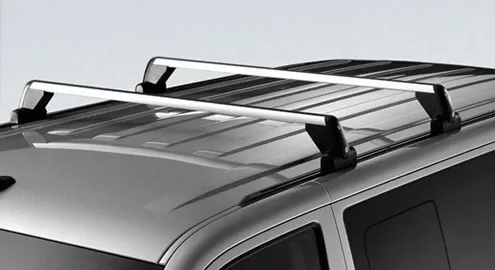
Тем, кто привык возить с собой много вещей, стоит знать: лишние 70–80 килограммов в багажнике добавляют около пол-литра к расходу. Также лучше снимать с крыши поперечные рейлинги, если они не нужны постоянно. При движении на скорости 100 км/ч такие крепления увеличивают затраты топлива почти на литр.
Напоследок стоит напомнить о важности качества топлива. Не стоит гнаться за дешевизной и заливать низкосортный бензин или солярку — разница в цене всё равно будет компенсирована повышенным расходом и возможными проблемами с двигателем, которые потребуют дорогостоящего ремонта.
Коротко о главном
В этом материале рассматривались лишь самые простые и доступные способы сокращения расхода топлива, для которых не требуется длительного периода окупаемости. Поэтому здесь не рассматривались чип-тюнинг и установка газобаллонного оборудования.
Топ-10 факторов, которые «съедают» топливо:
- заторы
- грязные форсунки и старые свечи
- забитые фильтры
- электроприборы в автомобиле
- недостаточное давление в шинах
- тюнинг-обвесы и рейлинги
- приоткрытые окна или люк
- езда в ритме «газ-тормоз»
- слишком долгий прогрев
- лишний груз в багажнике