В 2011 году корректировки в Правила вносились уже дважды — в апреле и в июне. Весной появилось ограничение, запрещающее парковку ближе пяти метров от контейнерных площадок и мусорных баков. Летом же из документа исчезли все ссылки на талон к водительскому удостоверению. Теперь настал черед очередных правок, которые затрагивают не только отмену техосмотра, но и ряд других положений.
Термины и определения (пункт 1.10)
В обновленной редакции появилось определение «велосипедист» — так теперь называют человека, который управляет велосипедом.
Смысл понятия «водитель» тоже претерпел изменения. Теперь это «лицо, управляющее транспортным средством и имеющее удостоверение водителя на управление транспортным средством соответствующей категории». При этом водителем считается и инструктор, обучающий вождению и находящийся в машине. А вот всадники, извозчики и погонщики животных больше к водителям не приравниваются.
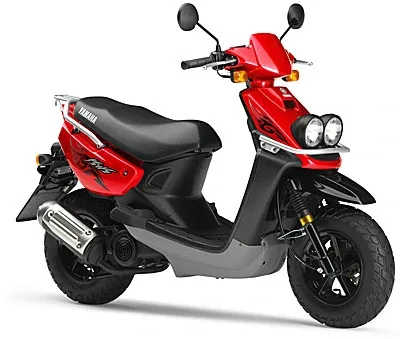
К категории механических транспортных средств теперь относят все ТС с двигателем (раньше из этого правила были исключения для машин с объемом мотора до 50 куб. см), а также транспорт с электродвигателем мощностью свыше 3 кВт. Двухколесные аппараты с электрическим мотором до 4 кВт причислили к «мопедам».
Права и обязанности водителей
Водителей больше не обязывают возить с собой талон к удостоверению (который уже давно отменили), доверенность и путевой лист — это закреплено в пункте 2.1. Любопытно, что соответствующие законы приняли еще летом, а правки в ПДД вносятся лишь сейчас. То есть несколько месяцев действовали нормы, противоречащие друг другу.
Изменения также юридически закрепили возможность передачи машины без доверенности (пункт 2.2): владелец может отдать свое авто другому лицу с соответствующим удостоверением, просто передав ему регистрационный документ.
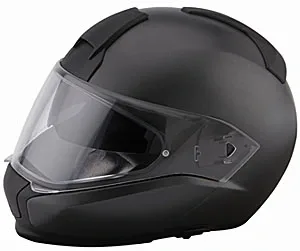
Теперь мотошлем с застегнутым ремнем обязаны носить не только водитель и пассажир мотоцикла, но и те, кто ездит на мопеде (пункты 2.3 и 5.2 б).
Передавать права инспектору не нужно — достаточно просто показать их (пункт 2.4 а). Однако авто, подлежащее обязательному техконтролю, теперь нужно предоставлять для проверки, в том числе технического состояния (пункт 2.4 в).
Отметки в путевом листе делать больше не требуется, поскольку сам путевой лист отменен.
Требования к номерным знакам ужесточились (пункт 2.9). Теперь знак обязан соответствовать стандартам, крепиться в специально отведенном месте, быть чистым и освещенным — раньше об этом речи не шло.
В пункте 2.11 детально расписана процедура оформления ДТП без вызова ГАИ:
«В случае наступления ДТП с участием транспортных средств, указанных в действующем договоре обязательного страхования гражданской ответственности, при условии эксплуатации таких транспортных средств лицами, ответственность которых застрахована, отсутствие травмированных (погибших) людей, а также при достижении согласия водителей таких транспортных средств относительно обстоятельств совершения ДТП, при отсутствии у них признаков алкогольного, наркотического или другого опьянения или пребывания под воздействием лекарственных препаратов, снижающих внимание и скорость реакции, и в случае составления такими водителями совместного сообщения о дорожно-транспортном происшествии в соответствии с установленным Моторным (транспортным) страховым бюро образцом, в таком случае водители упомянутых транспортных средств после составления ими указанного в настоящем пункте сообщения освобождаются от обязанностей, предусмотренных подпунктами "д" - "е" пункта 2.10 этих Правил». Подпункты «д»-«е» пункта 2.10 как раз касаются обязанности сообщать об аварии в ГАИ.
В подпункте «а» пункта 2.12 убрали слово «использование» ТС, которое практически не меняло смысл.
Новые категории автомобилей
Обновленные ПДД официально вводят категории транспортных средств (пункт 2.13):
А1 — мопеды, мотороллеры и прочие двухколесные ТС с мотором объемом до 50 куб. см или электродвигателем до 4 кВт;
А — мотоциклы и другие двухколесные ТС с двигателем от 50 куб. см или электромотором от 4 кВт;
В1 — квадроциклы и трициклы, мотоциклы с коляской, мотоколяски и прочие трех- или четырехколесные мототранспортные средства максимальной массой до 400 килограммов;
В — автомобили массой до 3500 килограммов (7700 фунтов) с числом посадочных мест, не считая водительского, до восьми, а также связки из тягача категории В и прицепа полной массой до 750 килограммов;
С1 — грузовые автомобили массой от 3500 до 7500 килограммов (от 7700 до 16500 фунтов), а также связки из тягача категории С1 и прицепа массой до 750 килограммов;
С — грузовые автомобили массой свыше 7500 килограммов (16500 фунтов), а также связки из тягача категории С и прицепа массой до 750 килограммов;
D1 — автобусы для перевозки пассажиров с числом сидячих мест, не считая водительского, не более 16, а также связки из тягача категории D1 и прицепа массой до 750 килограммов;
D — автобусы с числом сидячих мест, не считая водительского, более 16, а также связки из тягача категории D и прицепа массой до 750 килограммов;
ВЕ, С1Е, СЕ, D1E, DE — составы из тягача категории В, С1, С, D1 или D и прицепа массой свыше 750 килограммов;
Т — трамваи и троллейбусы.
Управлять транспортом категорий А1 и А разрешено с 16 лет, категорий В1, В, С1, С — с 18 лет, категориями ВЕ, С1Е, СЕ — с 19 лет, а категориями D1, D, D1Е, DЕ, Т — только с 21 года.
Тормозим «по маячкам»
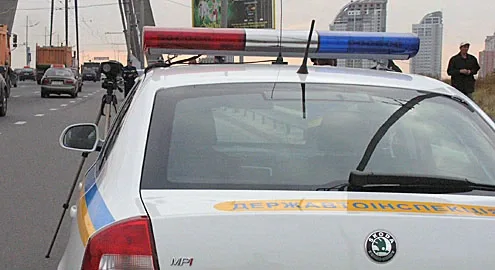
Значение проблесковых маячков изменилось (пункт 3.5). Раньше, увидев стоящее ТС с включенным синим или сине-красным маячком, водитель должен был остановиться и ждать разрешения проехать. Теперь же достаточно сбросить скорость до 40 км/ч (о красном маячке в этом пункте больше не упоминается).
Велосипедисты (пункт 6, 30.2)
Местные власти больше не могут вводить карточки учета велосипедов (такие попытки, напомним, были в нескольких областях). В остальном из пункта просто убрали упоминания о мопедах.
И другие изменения ПДД
Аварийную сигнализацию теперь нужно включать и при остановке по требованию сотрудника милиции (пункт 9.9 б).
За пределами населенных пунктов мопедам запрещено разгоняться быстрее 60 км/ч (пункт 12.6 в).
Обгон на перекрестке запрещен для всех транспортных средств (пункт 14.6 а). Раньше разрешалось обгонять двухколесный транспорт без прицепов.
В прежней редакции при ослеплении светом встречных фар предлагалось включить «аварийку» и остановиться. Теперь порядок обратный: сначала остановка, потом сигнализация (пункт 19.3).
Раньше автобусам нельзя было буксировать только прицепы, теперь им запрещено буксировать что-либо вообще (пункты 23.10 д, 23.12). Правда, если тягово-сцепное устройство установлено заводом-изготовителем, такая эксплуатация допускается (пункт 23.11).
Медицинская справка для обучения вождению больше не нужна (пункт 24.1), а учиться управлять мопедом можно с 14 лет (пункт 24.2). «Мастер производственного обучения вождению» теперь называется «специалистом по подготовке водителей» (пункт 24.5). Этот специалист не обязан иметь документ на право обучения вождению (пункты 24.6 и 24.7 исключены).
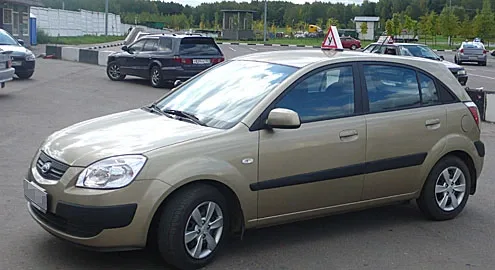
Учтены особенности учебных машин с автоматической коробкой передач (пункт 24.8): «Транспортные средства, на которых проводится обучение, должны иметь опознавательные знаки "Учебное транспортное средство" в соответствии с требованиями подпункта "к" пункта 30.3 этих Правил. Автомобили, которые систематически используются для обучения также должны быть оборудованы дополнительными педалями сцепления (в случае если конструкция транспортного средства предусматривает педаль сцепления), акселератора (в случае если конструкция транспортного средства допускает возможность оборудования такой педалью) и торможения, зеркалом или зеркалами заднего вида для специалиста по подготовке водителей».
Крепить талон техосмотра в правый нижний угол ветрового стекла теперь официально не требуется (пункт 30.2). А запрет на эксплуатацию ТС без техосмотра действует только для машин, подлежащих техническому контролю (пункт 31.3). Напомним: легковые авто, не используемые в коммерческих целях, техосмотр проходить не обязаны.


 Передавать права инспектору не нужно — достаточно просто показать их (пункт 2.4 а). Однако авто, подлежащее обязательному техконтролю, теперь нужно предоставлять для проверки, в том числе технического состояния (пункт 2.4 в).
Отметки в путевом листе делать больше не требуется, поскольку сам путевой лист отменен.
Требования к номерным знакам ужесточились (пункт 2.9). Теперь знак обязан соответствовать стандартам, крепиться в специально отведенном месте, быть чистым и освещенным — раньше об этом речи не шло.
В пункте 2.11 детально расписана процедура оформления ДТП без вызова ГАИ:
«В случае наступления ДТП с участием транспортных средств, указанных в действующем договоре обязательного страхования гражданской ответственности, при условии эксплуатации таких транспортных средств лицами, ответственность которых застрахована, отсутствие травмированных (погибших) людей, а также при достижении согласия водителей таких транспортных средств относительно обстоятельств совершения ДТП, при отсутствии у них признаков алкогольного, наркотического или другого опьянения или пребывания под воздействием лекарственных препаратов, снижающих внимание и скорость реакции, и в случае составления такими водителями совместного сообщения о дорожно-транспортном происшествии в соответствии с установленным Моторным (транспортным) страховым бюро образцом, в таком случае водители упомянутых транспортных средств после составления ими указанного в настоящем пункте сообщения освобождаются от обязанностей, предусмотренных подпунктами "д" - "е" пункта 2.10 этих Правил». Подпункты «д»-«е» пункта 2.10 как раз касаются обязанности сообщать об аварии в ГАИ.
В подпункте «а» пункта 2.12 убрали слово «использование» ТС, которое практически не меняло смысл.
Передавать права инспектору не нужно — достаточно просто показать их (пункт 2.4 а). Однако авто, подлежащее обязательному техконтролю, теперь нужно предоставлять для проверки, в том числе технического состояния (пункт 2.4 в).
Отметки в путевом листе делать больше не требуется, поскольку сам путевой лист отменен.
Требования к номерным знакам ужесточились (пункт 2.9). Теперь знак обязан соответствовать стандартам, крепиться в специально отведенном месте, быть чистым и освещенным — раньше об этом речи не шло.
В пункте 2.11 детально расписана процедура оформления ДТП без вызова ГАИ:
«В случае наступления ДТП с участием транспортных средств, указанных в действующем договоре обязательного страхования гражданской ответственности, при условии эксплуатации таких транспортных средств лицами, ответственность которых застрахована, отсутствие травмированных (погибших) людей, а также при достижении согласия водителей таких транспортных средств относительно обстоятельств совершения ДТП, при отсутствии у них признаков алкогольного, наркотического или другого опьянения или пребывания под воздействием лекарственных препаратов, снижающих внимание и скорость реакции, и в случае составления такими водителями совместного сообщения о дорожно-транспортном происшествии в соответствии с установленным Моторным (транспортным) страховым бюро образцом, в таком случае водители упомянутых транспортных средств после составления ими указанного в настоящем пункте сообщения освобождаются от обязанностей, предусмотренных подпунктами "д" - "е" пункта 2.10 этих Правил». Подпункты «д»-«е» пункта 2.10 как раз касаются обязанности сообщать об аварии в ГАИ.
В подпункте «а» пункта 2.12 убрали слово «использование» ТС, которое практически не меняло смысл.