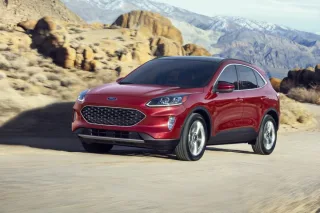
Для начала стоит разобраться, что же толкает водителей на такой шаг. Главная причина — поломка коробки передач. Вторая — желание сэкономить. Речь о тех, кто хочет пересесть с «автомата» на «ручку», чтобы уменьшить расход топлива, а иногда — улучшить разгонную динамику. Таких энтузиастов больше, чем тех, кто, наоборот, стремится променять механику на автомат ради большего комфорта в городских поездках.
Меняем «автомат» на «механику»
Операция по снятию автоматической коробки и установке механической заметно проще, чем обратный процесс. Каждая модель машины уникальна и требует своего подхода, однако существует общий регламент и перечень обязательных шагов.
Технология замены АКПП на МКПП в общих чертах выглядит так:
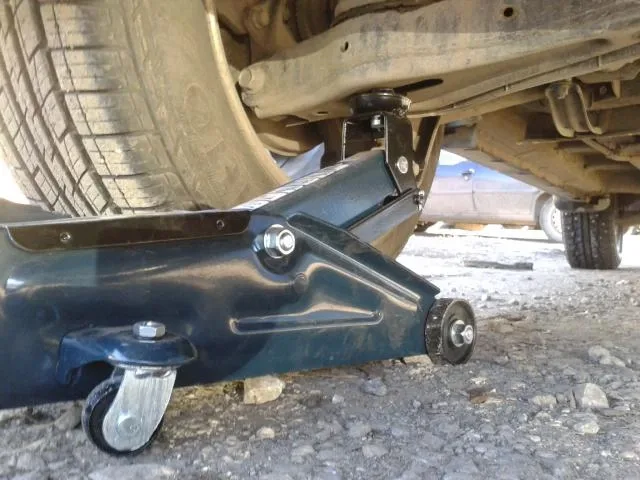
1) Поднимаем и фиксируем переднюю часть автомобиля
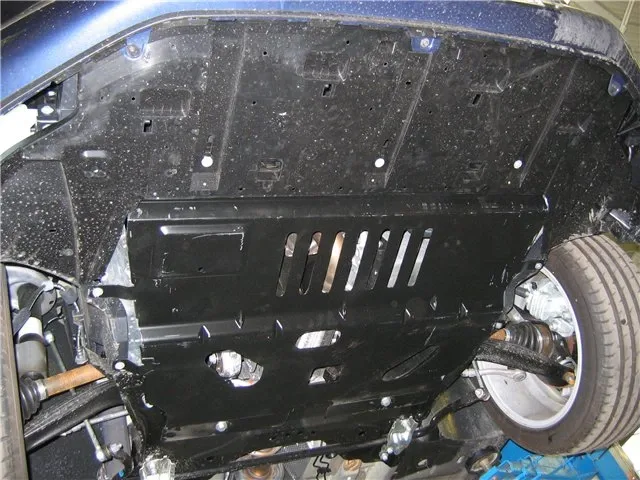
2) Снимаем нижние панели двигателя
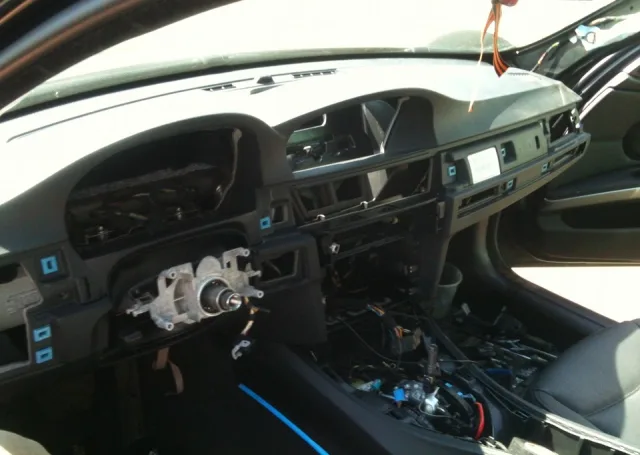
3) Демонтируем торпедо и приборную панель (набор работ зависит от конкретной модели)
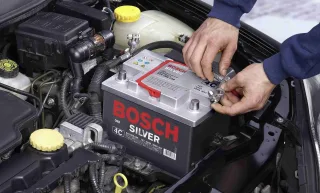
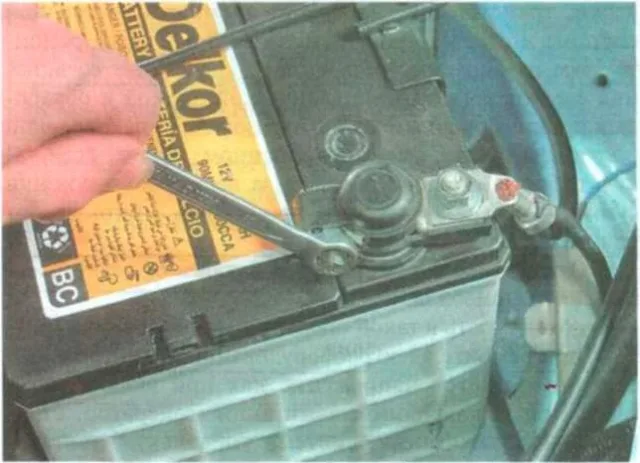
4) Отключаем клеммы аккумулятора
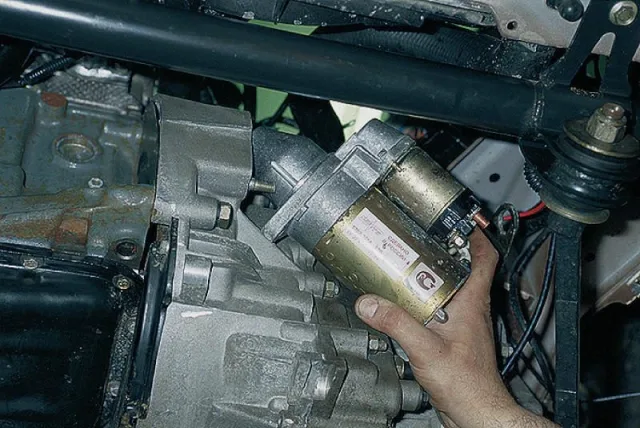
5) Снимаем стартер (если он находится снизу мотора)
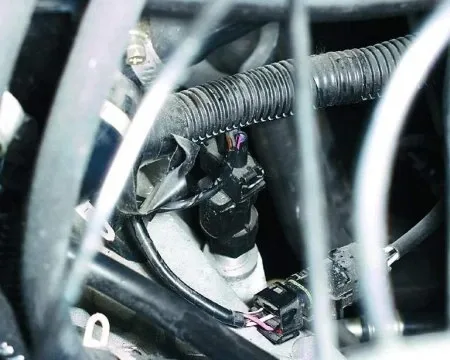
6) Отсоединяем провода коробки от защитного кожуха
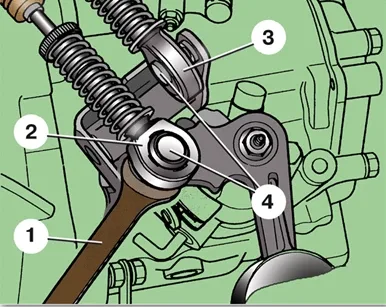
7) Отцепляем трос рычага переключения автомата
8) Отсоединяем трос или датчик спидометра
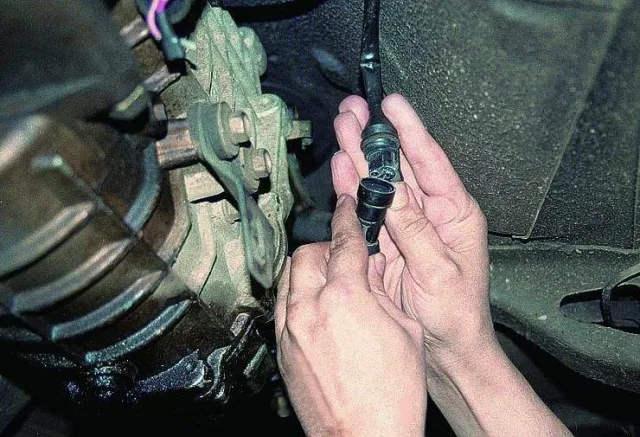
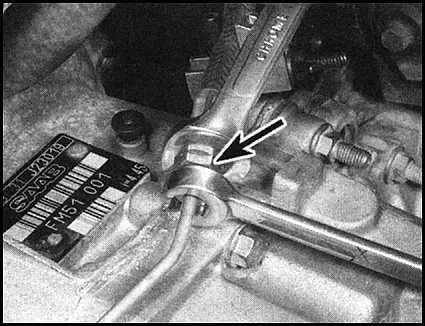
9) Отключаем трубку радиатора трансмиссионной жидкости и сливаем масло из коробки
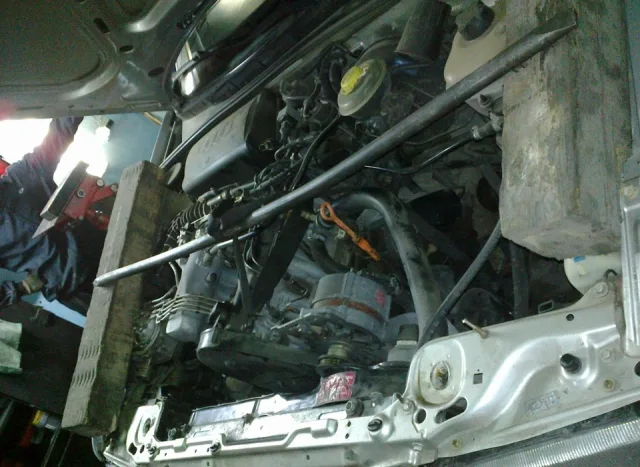
10) Фиксируем двигатель на распорках
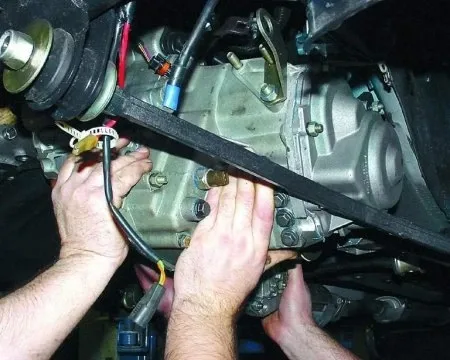
11) Откручиваем болты, соединяющие КПП с мотором
12) Разъединяем промежуточный вал и коробку
13) Снимаем опору и кронштейны КПП
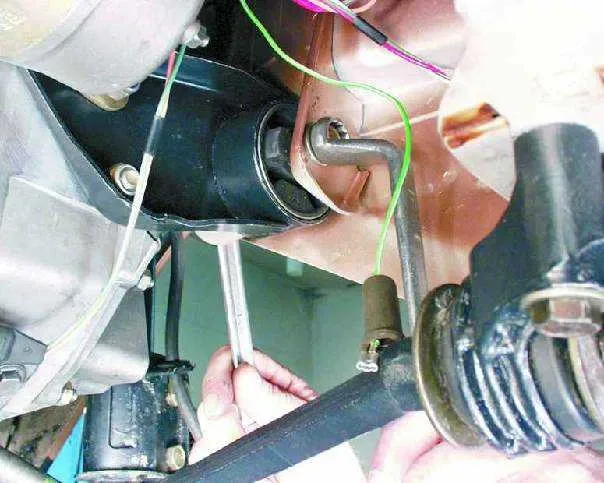
14) Извлекаем гидротрансформатор
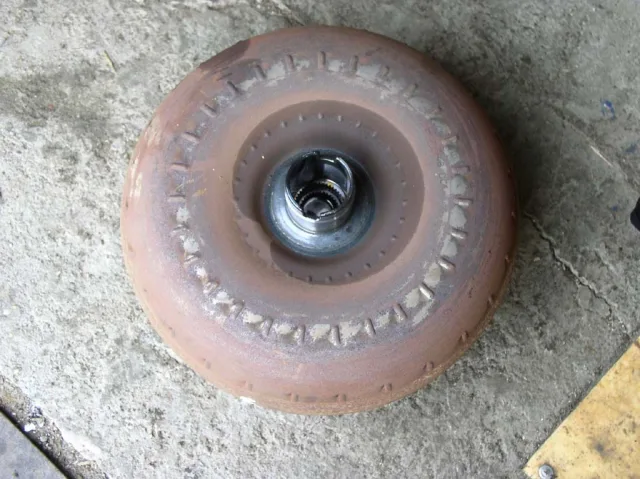
15) С помощью домкрата отделяем автомат от двигателя и снимаем его
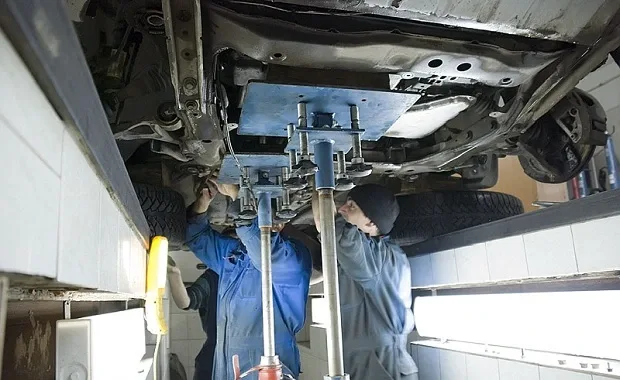
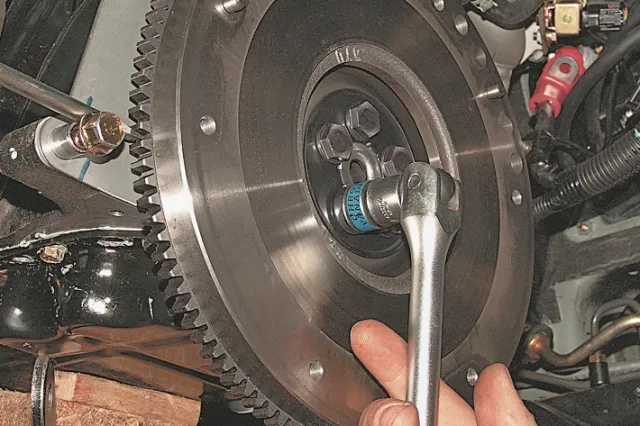
16) Ставим маховик для механики и тросики привода (требуется не всегда — зависит от авто)
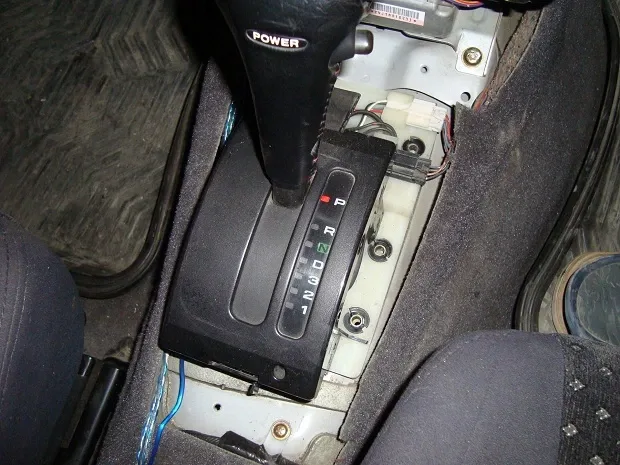
17) Заменяем селекторы
18) Монтируем педаль сцепления и главный цилиндр
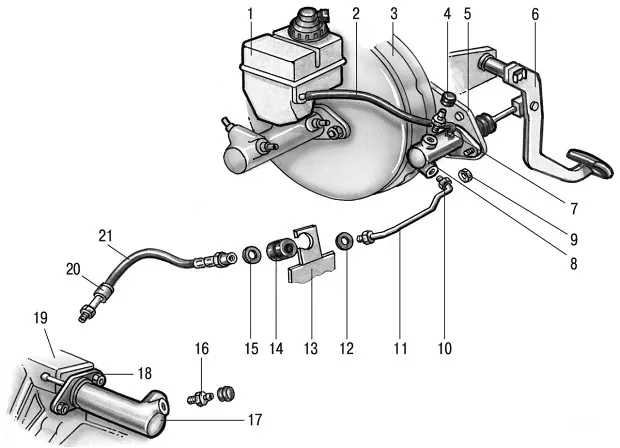
19) Устанавливаем механическую коробку
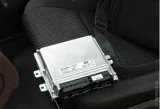
20) После сборки салона меняем электронный блок управления (ЭБУ)
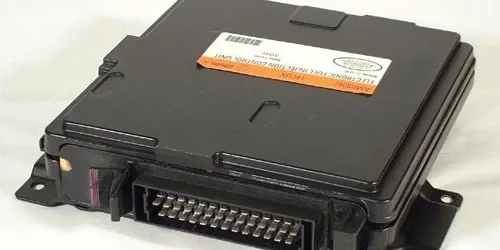
Это двадцать основных операций, но это не значит, что не возникнет дополнительных. Повторимся: всё зависит от марки, модели и даже комплектации. Кроме того, за словами «демонтаж» и «установка» скрывается множество вспомогательных действий. Например, чтобы закрепить коробку, сцепление и прочие узлы, придется искать подходящие кронштейны и подушки, возможно, переделывать посадочные места. Сверлить новые отверстия, скорее всего, тоже придется. Стоит отметить, что в редких случаях ЭБУ можно не менять — бывает, что блок одинаков для версий с АКПП и МКПП. Но это скорее исключение. Чаще всего требуется замена не только блока, но и всей «косы» — жгута проводов, соединяющего датчики двигателя и навесного оборудования с процессором.
Как выяснил АвтоПортал, в некоторых украинских сервисах такую услугу предоставляют. Цена сильно варьируется в зависимости от марки, модели и года выпуска. Для ориентира: процедура для VW Passat B5 обойдется в 1000-2000 долларов — точная сумма зависит от мотора и типа привода. Сама коробка (контрактная) — 500-600 долларов. Причем большинство компонентов используются б/у. Закономерность простая: чем новее и сложнее автомобиль, тем дороже переделка. И наоборот, для более старых машин цена ниже. Например, для Passat B3 замена АКПП на МКПП будет стоить 600-900 долларов. Коробка (б/у) — от 200 до 350 долларов.
Список необходимых деталей для среднестатистической машины выглядит так:
1) Механическая коробка передач
2) Селектор
3) Тросики привода селектора
4) Маховик (с крепежом)
5) Диск и корзина сцепления
6) Крепления двигателя и КПП
7) Педали тормоза и сцепления
8) Главный и рабочий цилиндры сцепления
9) Подвес привода ШРУСа
10) ЭБУ для механической коробки
Меняем «механику» на «автомат»
Казалось бы, от перестановки мест слагаемых ничего не меняется. Но здесь это правило не работает. Снять механическую коробку и всё, что с ней связано — это лишь верхушка айсберга. Дальше начинается самое сложное: полная замена проводки, а иногда и приборной панели, плюс приобретение огромного количества запчастей, среди которых: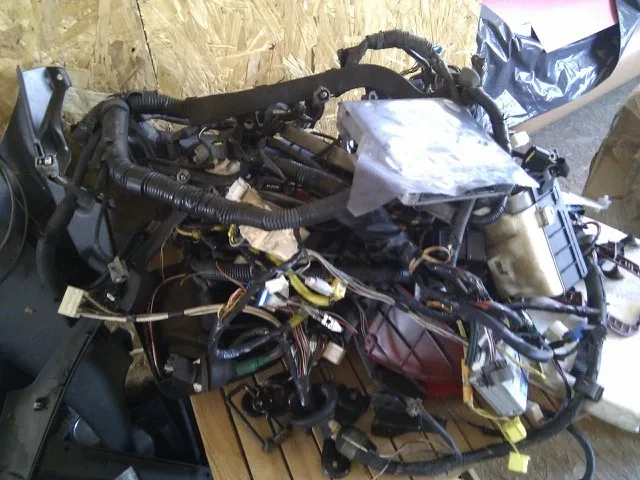
1) Автоматическая КПП
2) Радиатор АКПП
3) Гидравлические трубки к радиатору
4) Селектор АКПП с тросами к замку зажигания
5) Одна или две «косы» проводов (по сути — вся проводка)
6) Блок управления (ЭБУ) для АКПП
7) Реле и предохранители
8) Приборная панель
9) Датчик спидометра
10) Выключатель фонаря заднего хода
11) Педальный узел (можно оставить старый, если не смущает лишняя педаль)
12) Стартер
13) Подушки крепления (не всегда)
14) Кардан (не всегда)
15) Гидротрансформатор (если не идет в комплекте с коробкой)
Описать пошаговый процесс замены механики на автомат сложнее. Но в целом операции по демонтажу и монтажу похожи — за исключением настройки электроники и прокладки проводки. Остановимся на ключевых моментах:
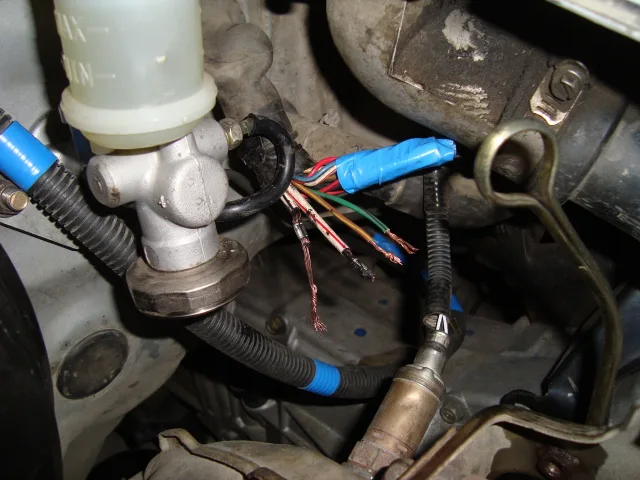
1) Снятие МКПП
2) Демонтаж сцепления
3) Снятие кулисы
4) Демонтаж педального узла
5) Снятие маховика
6) Демонтаж кардана/полуосей (зависит от привода)
7) Отсоединение трубок гидровыжима сцепления
8) Установка диска с венцом на коленвал
9) Монтаж радиатора АКПП
10) Установка задней опоры двигателя
11) Замена стартера
12) Замена кардана (при необходимости)
13) Замена всей проводки под панелью
14) Замена приборной панели (некоторые умельцы умудряются адаптировать старую)
15) Установка ЭБУ для АКПП
Пытаясь узнать примерную стоимость обратной замены, мы столкнулись с не очень адекватной реакцией мастеров. Чаще всего звучало что-то вроде «проще купить другую машину» или «готовьте половину стоимости авто». Один из специалистов по ремонту коробок передач объяснил, что главная головная боль — это электроника и провода. Если нет схем и полной информации по автомобилю и запчастям, затея будет не только дорогой, но и крайне сложной. По его словам, основные трудности скрываются в мелочах, которые, тем не менее, критически важны. Например, если модель выпускалась с тем же мотором, но с разными коробками — это большой плюс. А если нет — придется подбирать ЭБУ, изготавливать крепления и, по сути, «сверлить» полмашины.
К тому же, целесообразность таких переделок под большим вопросом. Ведь АКПП для тех же VW Passat B3 и B5 стоят 350-500 и 1000-1200 долларов соответственно. А на вторичном рынке автомобили с автоматическими коробками в среднем дороже аналогичных версий с механикой на 10-15 процентов.
Но если есть время и руки — возможно всё. Примером служат автовладельцы, которые уже проделывали такую операцию. По их словам, всё не так страшно, как расписывают. Однако здесь стоит подчеркнуть, что марка, модель и год выпуска играют даже более важную роль, чем при замене АКПП на МКПП. В первом случае происходит упрощение, во втором — усложнение. Именно поэтому замена автомата на механику стоит дороже и пользуется меньшим спросом.